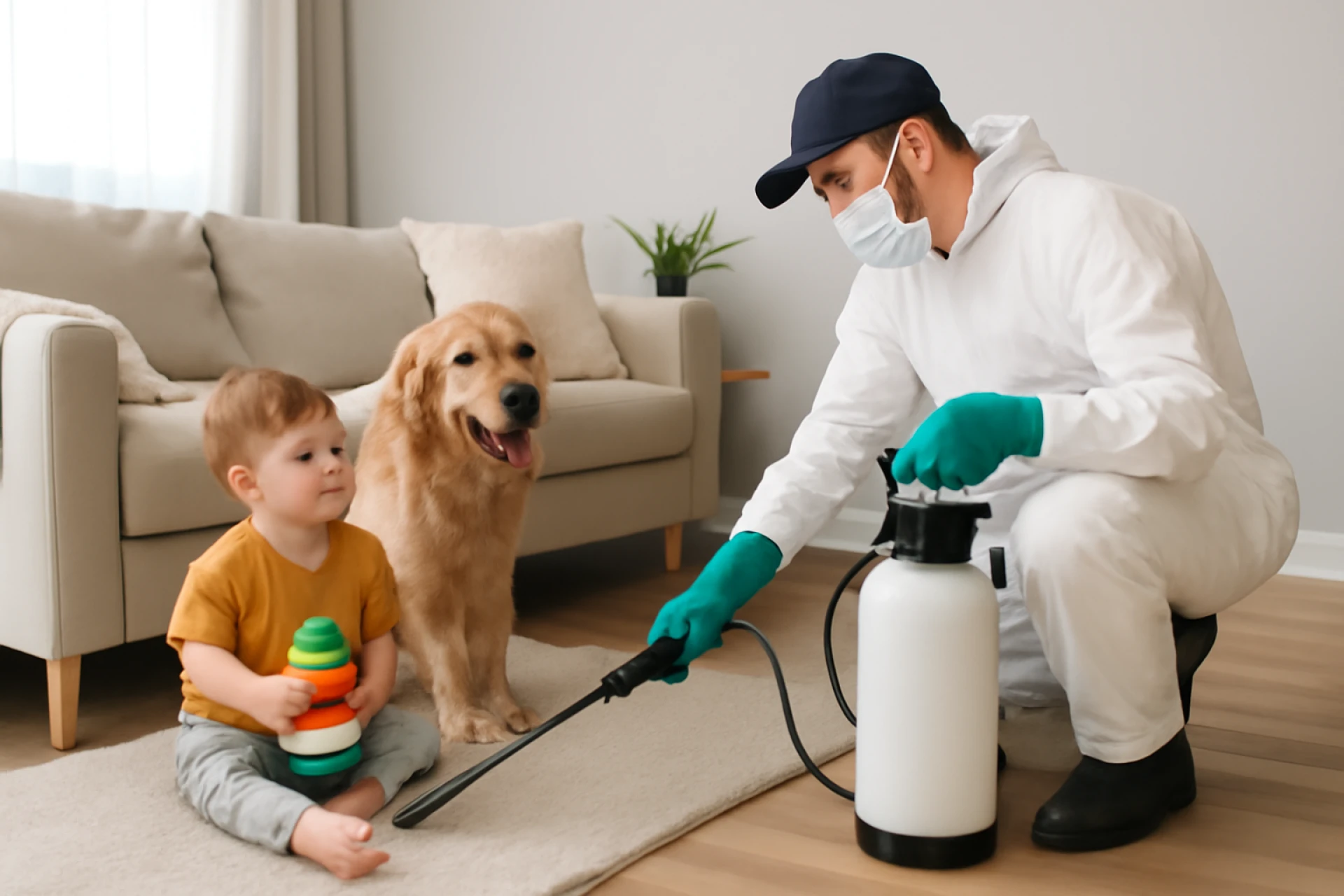

When pests sneak into your home, they bring more than just a nuisance. Ants in the kitchen, spiders in the corners, or even worse, roaches or rodents can create an uncomfortable and unhealthy environment. That is when pest control treatments often come to mind. But for parents and pet owners, the first question is always the same: are pest control treatments safe for kids and pets?
This is a very real concern. After all, young children and pets spend more time crawling on floors, playing with toys that may touch treated surfaces, or even nibbling on things they should not. If you have ever hesitated to book a pest control service because of your little ones, you are not alone. Let’s break down what you need to know so you can make informed, safe choices for your family.
Understanding Modern Pest Control
Decades ago, pest control often meant strong chemical sprays that lingered in the air and on surfaces for days. Today, things have changed. Modern pest control companies use more targeted solutions and Integrated Pest Management (IPM) techniques. IPM focuses on controlling pests with the least possible risk to people, pets, and the environment.
This means treatments are more precise, safer, and often less chemical-heavy than they used to be. But safe does not mean risk-free. Every product, whether natural or synthetic, has to be used properly to avoid problems.
Why Safety Is a Concern
Kids and pets are naturally more vulnerable than adults when it comes to environmental hazards.
- Children: Their immune systems are still developing, and they spend more time close to floors where residues might settle. Babies and toddlers put their hands and toys in their mouths, increasing the chance of exposure.
- Pets: Cats and dogs lick their paws, sniff around, and chew on things. Even small traces of certain chemicals could affect them more quickly than an adult.
That is why safety precautions matter so much.
Types of Pest Control Treatments
Not all pest control methods are the same. Here are the main categories and how they may impact kids and pets.
1. Chemical Sprays
These are traditional treatments applied around baseboards, cracks, and entry points. Many modern sprays are designed to dry quickly and have low toxicity levels for humans and animals once dry. The key is making sure kids and pets stay away during and right after application.
2. Baits and Traps
These are targeted solutions for ants, roaches, or rodents. Baits usually contain attractants mixed with pesticides. They are placed in hidden areas, but curious pets and children might find them. If you choose baits, they should be sealed, tamper-resistant, and out of reach.
3. Natural or Botanical Products
Some pest control companies use essential oil-based sprays or mineral products. While often marketed as safe, natural does not always mean harmless. For example, certain essential oils can be toxic to cats or dogs. It is important to confirm the specific ingredients used.
4. Physical Barriers and Prevention
This includes sealing cracks, installing screens, and improving sanitation. These methods are completely safe for kids and pets and are an important part of pest prevention.
What Professionals Do to Keep Homes Safe
Licensed pest control professionals are trained to minimize risks. Here are some common practices:
- Applying treatments only where pests live or travel, not across wide open surfaces.
- Using gels, powders, or baits in cracks and crevices where kids and pets cannot access them.
- Giving clear instructions about when it is safe to re-enter treated areas.
- Offering eco-friendly or pet-safe treatment options when requested.
When choosing a provider, do not hesitate to ask them what products they use and how they ensure safety for families. A reputable company will always explain their process.
Safety Tips for Parents and Pet Owners
Even with modern, safer treatments, your actions play a big role in protecting your family. Here are steps you can take:
1.Communicate with your provider
Let them know you have children and pets. They can adjust treatments and placement methods accordingly.
2.Vacate during treatment
If possible, take kids and pets outside or to another location while treatments are being applied. This avoids direct exposure.
3.Follow re-entry instructions
Pest control products need time to dry or settle. Always wait until the recommended time before allowing kids or pets back inside.
4.Store pet items safely
Pick up toys, food bowls, and bedding before treatment. Wash them afterward if there is any chance of contact.
5.Be mindful of baits and traps
Ask for tamper-resistant versions or request that they be placed in areas completely inaccessible to children and pets.
6.Maintain prevention habits
Keep food sealed, wipe crumbs, and seal entry points. The fewer pests you attract, the less treatment you will need.
Signs of a Safe and Responsible Pest Control Company
When searching for a provider, here are some green flags:
- They are licensed and insured.
- They explain their treatment plan in detail.
- They provide product information sheets if requested.
- They answer questions openly without rushing.
- They recommend preventive steps, not just repeated chemical treatments.
If a company refuses to share details or downplays your concerns, consider it a red flag.
What About DIY Pest Control?
Many families try DIY solutions first. While sprays and powders from the store are widely available, they can sometimes pose more risk because they are applied without professional guidance. Over-application, incorrect placement, or unsafe storage are common issues.
If you choose DIY, read the label carefully, follow instructions exactly, and keep kids and pets away until it is safe. Remember that “extra product” does not mean “extra protection.” In fact, it often means extra risk.
Balancing Pest Safety and Family Safety
It can feel like you are choosing between two risks: pests in your home or exposure to treatments. The good news is you do not have to choose one over the other. With professional guidance, proper precautions, and modern pest control methods, you can protect your home without sacrificing your family’s safety.
Final Thoughts
So, are pest control treatments safe for kids and pets? The answer is yes—when done correctly. Modern products, professional application, and responsible aftercare make a big difference. The most important thing is communication. Talk to your pest control provider, ask questions, and follow the safety instructions they give you.
Pests are a real problem, but your children and pets are priceless. With the right approach, you can keep your home pest-free while also keeping your family safe and healthy.










Sign in to leave a comment.