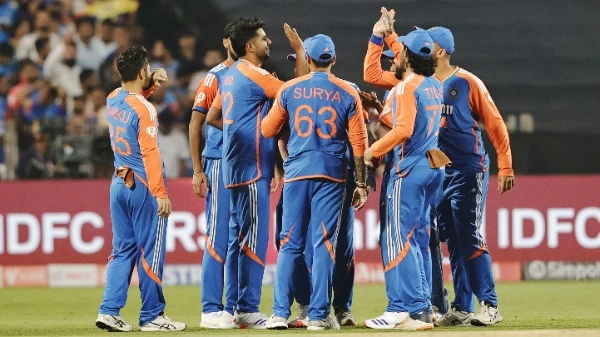

The Asia Cup 2025 recently concluded with India emerging as champions for a record ninth time. The Indian team remained undefeated throughout the tournament, showcasing consistent performance, though not always at their peak. In the group stage, India defeated the UAE and Oman, followed by victories over Sri Lanka and Bangladesh in the Super Four. The match against Sri Lanka proved to be one of the most thrilling of the tournament, ending in a dramatic Super Over. India's hard-fought win against Oman also surprised many cricket fans.
The tournament’s biggest attraction was the India vs. Pakistan rivalry, with the arch-rivals clashing three times — in the group stage, the Super Four, and the final. India won all three encounters. In the group stage, India secured a 7-wicket win. However, post-match tensions flared as Indian players declined to shake hands with their Pakistani counterparts, sparking controversy. Suryakumar Yadav later dedicated the win to the victims of the Pahalgam attack and the Indian Armed Forces — a gesture that drew a formal complaint from the Pakistan Cricket Board (PCB).
In the Super Four match, India once again outplayed Pakistan, this time winning by 6 wickets. During the game, tempers ran high, with several players engaging in on-field altercations. The BCCI lodged a complaint regarding inappropriate gestures made by Pakistani players. Ahead of the final, the ICC took disciplinary action: Suryakumar Yadav and Pakistan’s Haris Rauf were fined 30% of their match fees, while Sahibzada Farhan received an official warning.
The final was another high-octane battle between India and Pakistan. Powered by Tilak Verma’s unbeaten cricket score of 69 and Kuldeep Yadav’s 4-wicket haul, India clinched a 5-wicket win to lift the trophy. However, controversy erupted once again as the Indian team refused to accept the trophy from Mohsin Naqvi — who holds the roles of PCB Chairman, ACC President, and Pakistan's Interior Minister — due to his political remarks before the tournament. In response, Naqvi walked away with the trophy, a move that drew widespread criticism. The BCCI is now reportedly considering filing a complaint with the ICC.
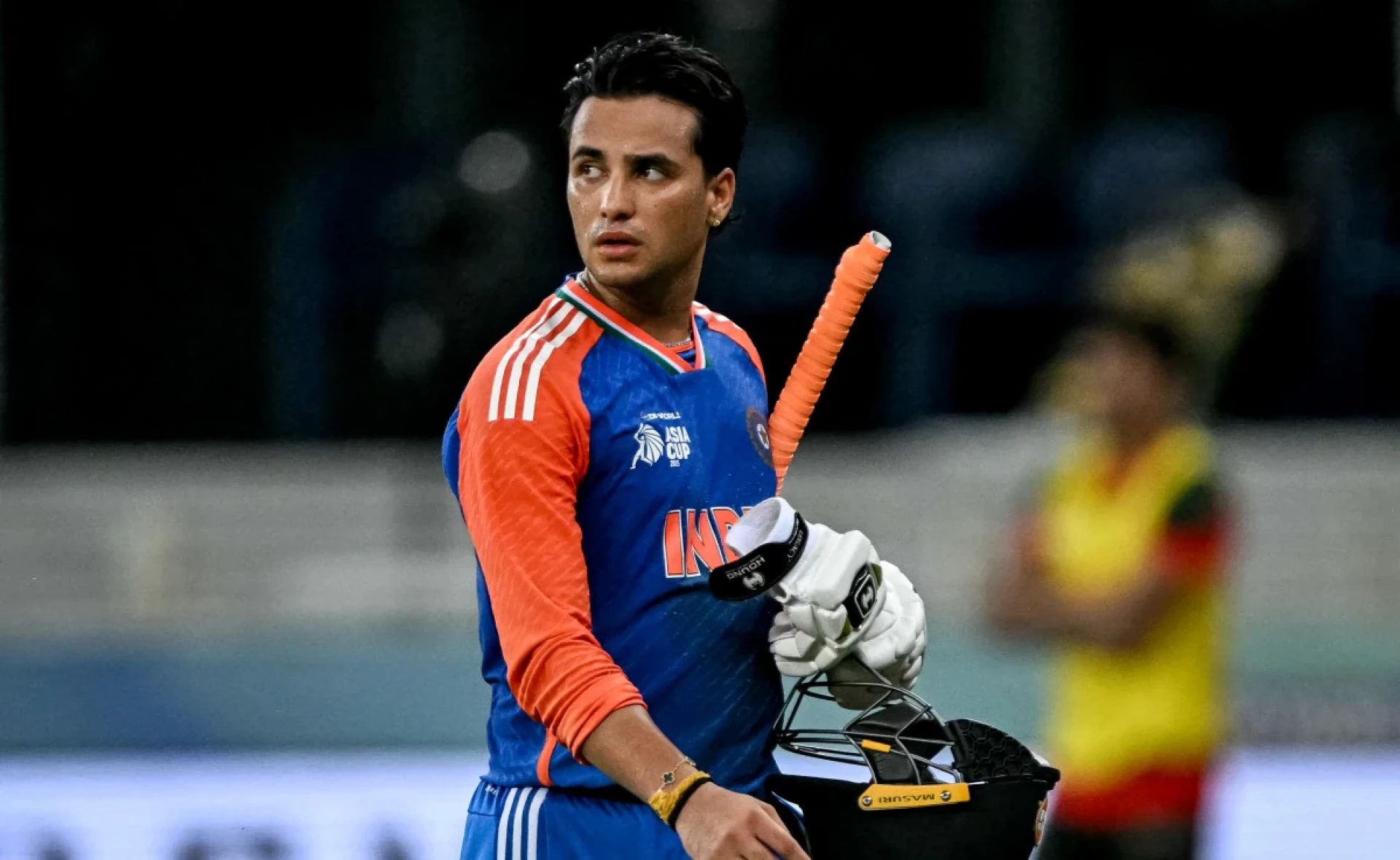
On the performance front, India dominated the tournament stats. Abhishek Sharma was the top run-scorer with 314 runs in seven innings, including three fifties, earning him the Player of the Tournament award. Kuldeep Yadav emerged as the leading wicket-taker with 17 wickets.
The highest-scoring match came between India and Sri Lanka, both teams posting 202 runs in a tied game. The lowest score was recorded by the UAE against India, bowled out for just 57. Sri Lanka’s Pathum Nissanka hit the only century of the tournament — a blistering 107 off 58 balls against India. While no bowler managed a five-wicket haul, notable performances included four wickets by Nuwan Thushara, Kuldeep Yadav (2 times), and UAE’s Junaid Siddiqui (2 times).
For Pakistan, it was a tournament to forget, especially for young all-rounder Saim Ayub, who managed just 37 runs across seven matches and was dismissed for a duck four times.
Amid the mounting controversies, questions are now being raised about the future of the Asia Cup. Some argue that cricket and politics must remain separate, while others contend that in times of diplomatic tension, sporting ties serve little purpose.










Sign in to leave a comment.