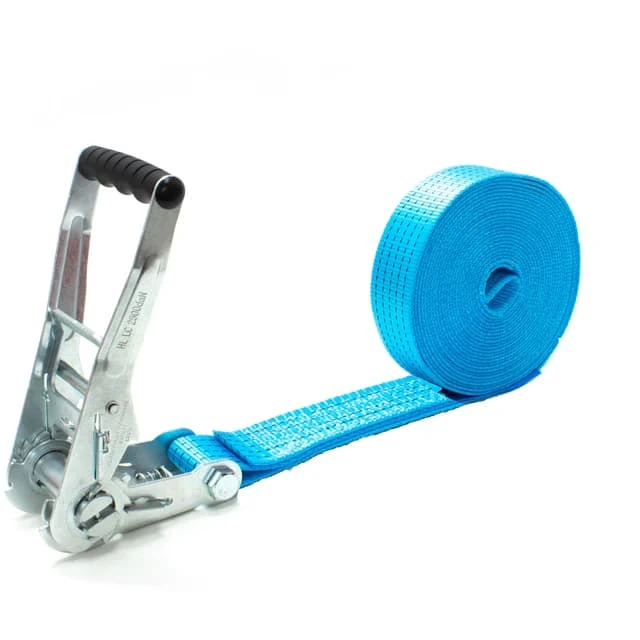

Selecting the appropriate endless ratchet straps is crucial for securing loads effectively and safely during transport. These straps are favored for their strength and versatility, providing continuous loops that can be adjusted to various lengths without hardware restrictions. Choosing the correct length and strength depends on the type of cargo, transportation method, and environmental factors. Understanding these variables helps in maximizing load security while preventing damage or accidents caused by improper strapping.
Understanding Endless Ratchet Straps
What Are Endless Ratchet Straps
Endless ratchet straps are continuous loops of webbing tightened using a ratchet mechanism. Unlike traditional straps with hooks or buckles, they allow for greater flexibility in securing different load shapes and sizes. Their design makes them ideal for heavy-duty applications where strong, adjustable tension is required.
Common Applications
These straps are widely used in shipping, trucking, and construction industries. Their ability to provide consistent tension and secure bulky or irregular loads makes them invaluable in many transport scenarios. Understanding where and how to use them ensures optimal performance and safety.
Importance of Strap Length
Matching Load Size
Choosing the correct strap length ensures that the load is securely fastened without excessive slack. Too short a strap will not fit around the cargo, while too long a strap can create dangerous loose ends. Measuring the circumference or the length needed to wrap the load plus extra for ratcheting is a critical first step.
Adjustability and Flexibility
Longer straps offer more flexibility in handling various load sizes but can be cumbersome if excessively long. Balancing length for versatility and manageability enhances efficiency. Selecting a strap that fits the majority of load sizes encountered reduces the need for multiple strap lengths.
Determining Strap Strength
Understanding Working Load Limit
The working load limit, or WLL, indicates the maximum load a strap can safely secure. It is important to select a strap with a WLL that exceeds the weight of the cargo to provide a safety margin. Ignoring this limit can lead to strap failure, risking load damage and accidents.
Factors Affecting Strength Requirements
Load type, weight distribution, and transportation conditions affect the strength needed. For example, fragile or uneven loads may require higher strength straps to prevent shifting. Environmental factors such as moisture or UV exposure can also influence the strap’s performance and longevity.
Material Considerations
Common Materials for Endless Ratchet Straps
Polyester is the most common material due to its strength, durability, and resistance to stretching. It performs well under harsh conditions, maintaining tension and resisting wear. Nylon offers elasticity but may stretch more under load, making polyester preferable for load control.
Coatings and Treatments
Some straps come with coatings to resist UV rays, mildew, and abrasion. These treatments extend the strap’s lifespan, especially for outdoor use. Considering the operating environment helps in choosing the right material and protective features.
Measuring for the Right Length
Calculating Load Dimensions
Accurately measuring the load’s circumference or longest dimension ensures the strap fits properly. Adding extra length for ratcheting and securing the strap is necessary. Using a flexible tape measure around the load simulates how the strap will wrap.
Considering Attachment Points
The distance between anchor points on the vehicle or trailer influences strap length. Ensuring the strap reaches comfortably without excessive slack is important. Proper attachment helps maintain tension and prevents load movement.
Evaluating Ratchet Mechanisms
Quality of Ratchet Hardware
A durable and smooth-operating ratchet mechanism makes tightening easier and more reliable. Poor-quality ratchets can slip or fail under tension, compromising load security. Checking the build and material of the ratchet is as important as selecting the strap itself.
Ease of Use
Ergonomic ratchets reduce fatigue during repetitive use. Straps with easy-to-operate ratchets improve efficiency and safety. Choosing mechanisms designed for frequent use supports long-term performance.
Safety and Compliance
Industry Standards
Endless ratchet straps should meet industry safety standards to guarantee performance. Certifications ensure that straps undergo testing for strength and durability. Selecting compliant products reduces liability and enhances trust in their reliability.
Regular Inspection and Maintenance
Even the strongest straps require regular inspection for signs of wear or damage. Fraying, cuts, or rust on ratchets indicate replacement is needed. Routine maintenance prolongs strap life and prevents failures during critical operations.
Practical Tips for Choosing Straps
Assessing Typical Loads
Understanding the common load types and weights helps narrow down the best strap length and strength. Keeping a few different sizes on hand covers various scenarios without overstocking.
Prioritizing Durability
Investing in high-quality materials and hardware reduces long-term costs by avoiding frequent replacements. Durable straps maintain performance under repeated heavy use.
Storing Straps Properly
Proper storage away from moisture and sunlight prevents premature degradation. Rolling straps neatly and keeping them dry ensures readiness for use.
Conclusion
Choosing the right length and strength of endless ratchet straps plays a vital role in load security and transport safety. Careful measurement, understanding of load requirements, and attention to material and hardware quality help prevent accidents and damage. Regular inspection and adherence to safety standards further ensure reliability. For trusted advice and quality endless ratchet straps, consider UK Lifting Store.








Sign in to leave a comment.