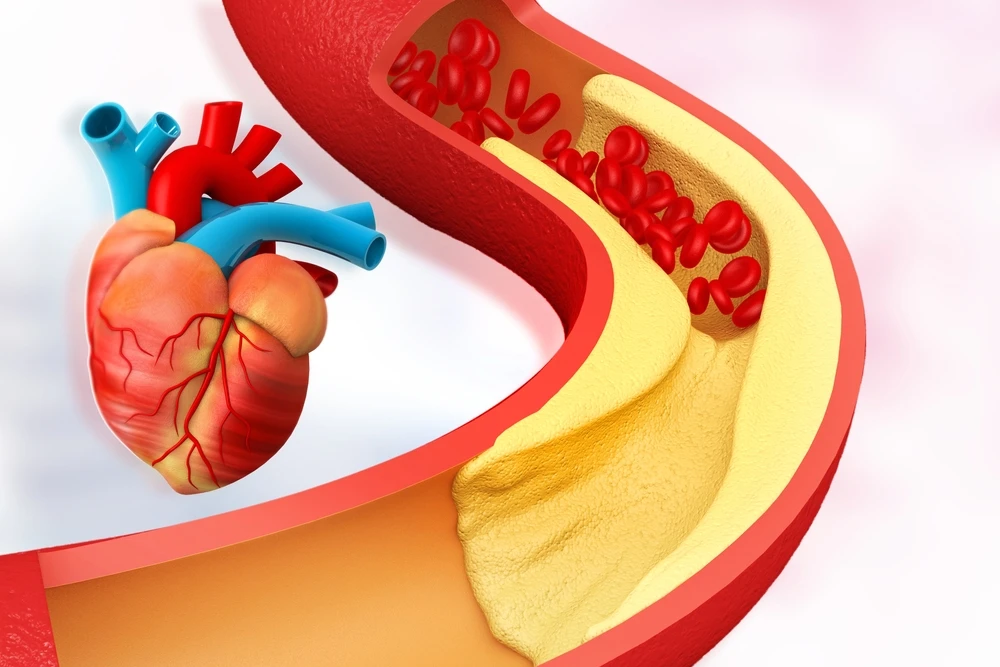

This guide delivers a set of moves that go right from a heart emergency to treatment by the best cardiologist in Delhi. Topics covered include immediate action, who to call in Delhi, how to choose a cardiac care capable hospital, what we should be telling people in order to speed consulting with an on-call cardiologist, and what you might want to have ready for recovery and follow-up after being discharged.
What should I do first in a cardiac emergency?
Call emergency services immediately, use the centralised telephone link and ambulance routes to obtain trained help without delay. Clearly state the problem: "suspected heart attack, patient conscious/unconscious, location." Activating EMS first saves time and ensures monitored transportation.
Should I give aspirin or wait for the ambulance?
Activate EMS without delay. While waiting for EMS, some guidelines suggest giving a chewable aspirin (162–325 mg) to conscious adults without a history of allergy or other contraindications. Do not let aspirin delay calling for help or the Ambulance service. Follow EMS or local medical advice.
How do I get in touch with the best cardiologist in Delhi fast?
- Call an ambulance and request monitored transport. Give the exact address and a landmark.
- Ask EMS to alert the nearest cardiac-capable hospital while en route. Many hospitals activate a “STEMI” or cardiac alert if they know a suspected heart attack is coming.
- If the family can call ahead, ring the hospital emergency number and say: “Suspected myocardial infarction. Ambulance ETA X minutes. Please activate cardiology on-call.” This primes the triage team and cath lab.
- If transport by private vehicle is the only option, call ahead before leaving so the hospital can prepare. Do not drive if the patient is unstable.
- On arrival, request immediate evaluation by the emergency physician and an on-call cardiologist or the best cardiologist in Delhi. Ask to see ECG and to expedite troponin testing or transfer for primary PCI if indicated.
What should family members prepare before leaving?
The following essential items should be prepared in advance, for easy access at triage:
- Personal identification and hospital insurance card
- List of current medications, indicating the amount of each dose.
- Any known allergies.
- Recent cardiology reports (ECG, echo, angiogram) if available
- A summary: time of onset and progression of symptoms, any treatment administered
At this point, a short explanation will prevent the necessity of asking questions when the patient is handed over and the specialist's decision is made.
What questions can I ask the emergency desk and the team from cardiology?
- “Is the on-call interventional cardiologist available now?”
- “Do you have an immediate cath lab activation protocol?”
- “What is the estimated door-to-balloon time if this is a STEMI?”
- “Will you admit to the coronary care unit or transfer to a tertiary cardiac centre?”
Good answers will mention on-call cardiology coverage and cath lab readiness. If the answers are vague, request transfer to a hospital that confirms immediate cardiac intervention capability.
How to choose the “best cardiologist in Delhi” for post-emergency care?
Emergency access is about systems. Choosing the best cardiologist in Delhi for follow-up needs evidence and fit. Key selection levers: board certifications and fellowship training, hospital affiliation (cath lab and cardiac surgery access), experience with your condition (ACS, heart failure, arrhythmia), and documented patient outcomes or audit participation. Seek referrals and verify credentials. Use reputable patient-education resources to form questions before your consult.
Can I get a rapid second opinion or teleconsult before transfer?
Yes. Many tertiary centres and private clinics in Delhi offer urgent teleconsults. If EMS transport time is long, a remote cardiology consult can advise interim care. Still prioritise in-person emergency transport for suspected heart attack. Teleconsults help with triage, transfer decisions, and pre-arrival coordination.
What logistics speed recovery once the cardiologist is involved?
- Fast diagnostics: immediate ECG, troponin, bedside echo.
- Early reperfusion when indicated: primary PCI has a time-sensitive benefit. Hospitals with active cath labs and interventional teams reduce delay.
- Clear discharge and rehab plan: cardiac rehab referral, medication optimisation, and risk-factor counselling. The best recovery outcomes pair acute intervention with structured follow-up.
How to prepare for weekend or night emergencies in Delhi?
Map two nearest cardiac-capable hospitals and save their emergency numbers. Know the ambulance number. Keep an emergency bag with IDs and a meds list. In areas with heavy traffic, plan the fastest route and inform ambulance dispatch of traffic conditions. When you call the hospital, ask specifically about on-call cardiology and cath lab availability before you leave.
A checklist you can use now (phone-ready)
- Call for an ambulance (102 in the local area).
- Say: “Heart attack suspected. Where, how old is the patient; conscious/unconscious; when did it begin? ”
- Ask EMS to radio the nearest capable hospital.
- Get someone to call the emergency department of the hospital you are going to, and say: "The ambulance is on its way with a suspected MI patient. ETA X minutes. Please activate cardiology."
- Take along your identification documents, a list of your medicine and allergies, and any recent cardiac records.
- Arrive and call for an electrocardiogram at once, then request a cardiology consult.
Speed and the right destination matter. The best cardiologist in Delhi is the one you can reach quickly who has access to a working cath lab, CCU, and an experienced interventional team. Prepare before an emergency. Save emergency numbers and two cardiac-capable hospital contacts. Use Emergency medical services (EMS) as your first action. That combination shortens intervention time and improves recovery odds.










Sign in to leave a comment.