

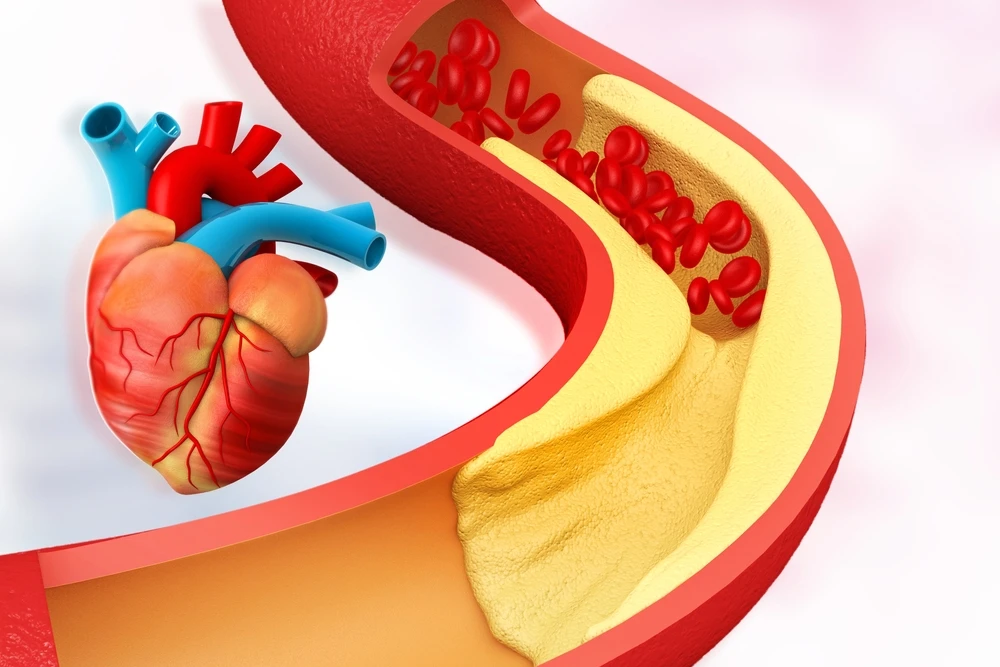
Heart disease is still often treated as a “man’s disease.” But for women over 40, the risk of heart disease skyrockets due to hormonal changes, stress overload, and life changes that are not often met with gender specific solutions. Heart disease prevention in women over 40 isn’t only about eating well and exercising. It also requires a closer look at your lifestyle, health history, and risk factors.
This article surpasses the usual “eat better, move more” advice. It is based on science, anecdotal evidence, and medical expertise, and offers insight into the actions women can really take, day by day, to safeguard their hearts in midlife and beyond.
Why Women Over 40 Face a Higher Risk
Women also have a decline in estrogen, a hormone that has been preventative for heart health, after menopause. Estrogen helps to regulate healthy cholesterol, to keep blood vessels from stiffening, and has an impact on fat distribution. Below are the symptoms that typically arise when its levels start to drop:
- Elevation of low-density lipoprotein (LDL) cholesterol (bad cholesterol).
- A fall in HDL cholesterol in the blood (good cholesterol).
- More central obesity (that’s belly fat, and it’s a significant risk factor).
- Increased blood pressure and insulin resistance.
But the danger doesn’t end there, with biology. Women in their 40s frequently juggle work, caring for their families, aging parents, and stress, adding their own silent risk of heart disease to the list.
This is why heart disease prevention post-40 should be tailored for women and go beyond the generic advice.
Heart Disease Prevention for Women After 40: What Works
Reconsidering Health And Nutrition: Beyond “Low Fat” Diets
- Many women still follow outdated diet rules like cutting fat completely. The truth is, the type of fat matters more than the amount. Include heart-protective fats: olive oil, flaxseeds, walnuts, and chia seeds.
- Watch hidden sugars: packaged “low-fat” foods often load up on sugar, which harms the heart.
- Prioritize fiber: Women over 40 should aim for 25–30 g/day, focusing on lentils, beans, oats, vegetables, and fruits.
Instead of dieting trends, women should focus on food diversity—a plate rich in colors, plant proteins, and whole grains supports long-term heart health.
Strength Training: The Missing Link in Women’s Fitness
Most women gravitate toward cardio, but after 40, you need strength training for two critical reasons:
- It preserves muscle mass, which can decline quickly after menopause.
- It is beneficial for insulin sensitivity and metabolic health, while reducing the risk of diabetes and heart disease.
Recommendation: Two sessions per week of strength training, either bodyweight, resistance bands, or weights, to fatigue your muscles, along with moderate cardio such as brisk walking or swimming.
Stress and Emotional Health: The Silent Heart Risk
Chronic stress is often underestimated. For multitasking young women, cortisol levels remain high, which means higher blood pressure and inflammation. Research indicates women are more susceptible than men to “stress cardiomyopathy” (also known colloquially as broken heart syndrome).
Practical prevention:
- 15 minutes a day of mindfulness or yoga.
- Boundaries at work and home — no is just as important as yes.
- Women who are involved in social networks are at a lower risk of heart disease than those who are isolated.
Regular Screenings: Catching Silent Risk Factors Early
Many women see a doctor only when they have gynecological issues, but at least have a cardiac screening as part of an annual checkup by age 40. Key tests:
- Lipid profile (cholesterol levels).
- Fasting glucose & HbA1c (diabetes for those of y’all keepin’ score).
- Blood pressure monitoring.
- Waist-to-hip ratio (belly fat is even more predictive than BMI).
Action point: There’s no need to wait for symptoms. Women’s heart disease symptoms tend to be atypical (fatigue, nausea, shoulder pain) and get dismissed. Heart disease prevention starts with proactive testing.
Why sleep is your best defence?
Studies suggest that women who do not sleep well or sleep fewer than six hours are at much greater risk of heart disease. Sleep is all too often interrupted by the hormonal changes that arise in perimenopause, but finding ways to get around that is essential.
Strategies:
- Keep a consistent bedtime routine.
- Limit caffeine after 2 pm.
- Seeking medical attention for night sweats or insomnia rather than ignoring the symptoms.
The Special Role of Hormone Health
The menopause-heart health connection is often brushed aside. Hormone replacement therapy (HRT) is not for everyone, but for some women, under medical supervision, it can reduce cardiovascular risks while easing menopause symptoms.
Women should have an open conversation with their doctors about:
- HRT risks and benefits.
- Vitamin D and calcium supplementation.
- Thyroid screening (as hypothyroidism is more common post-40 and affects the heart).
The Takeaway: Heart Disease Prevention Is Personal for Every Woman
For women over 40, the prevention of heart disease it’s not one-size-fits-all generic health advice. It’s about customizing lifestyle, screening, and stress management to the realities of midlife.
- Prioritize strength training and nutrient-rich diets.
- Make screenings non-negotiable.
- Address mental health and sleep with as much seriousness as diet.
- Talk openly about hormonal changes with your healthcare provider.
When women are aware of their threats and how to take that all-important initiative, prevention is not only possible; it is empowering.
Final Word
Herat disease prevention among women over 40 entails awareness, action, and advocacy. The medical community, as a whole, is just beginning to recognize some of those differences, but you don’t have to wait. The sooner you seize control — through lifestyle, screening, and stress management — the longer and stronger your heart will pump.












Sign in to leave a comment.