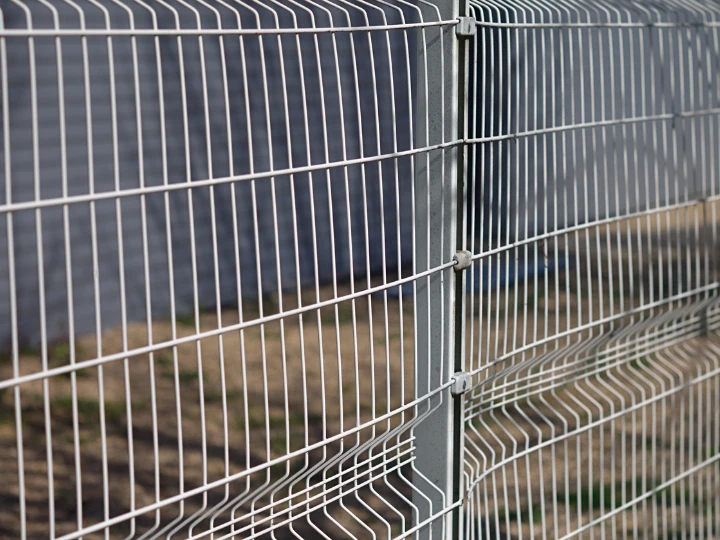

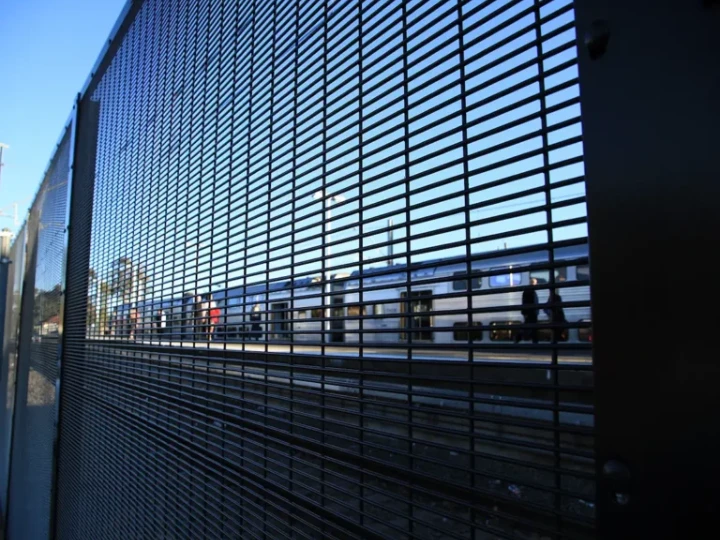
In high-security and regulated environments such as transport hubs, utility facilities, data centres, correctional precincts, and defence infrastructure, physical barriers play a critical role in shaping how people, vehicles, and contractors move throughout a site. 358 anti climb mesh is widely used for secure perimeter applications thanks to its ability to deter intrusion, support surveillance systems, and assist with compliance under strict access control frameworks.

Enhancing Controlled Access Points
Secure facilities typically require multiple controlled access points to manage the differing permission levels between staff, visitors, service technicians, logistics partners, and emergency responders. Mesh fencing integrates easily with automated gates, keycard systems, turnstiles, bollards, and guardhouses without obstructing line-of-sight supervision. This flexibility helps maintain orderly access operations, particularly in sectors where peak movements or scheduled deliveries must remain uninterrupted.
Compliance Alignment With Industry Standards
Many commercial and government sites operate under compliance frameworks that govern how assets are protected and how on-site hazards are mitigated. In utilities, defence, and transport settings, physical security is often linked to risk reduction, duty of care, and public safety requirements. Mesh fencing contributes to compliance by establishing secure boundaries, preventing unauthorised entry, and supporting documentation during audits and inspections related to safety and operational performance.
Supporting Surveillance and Incident Response
Effective incident response relies on strong visibility throughout secure zones. Because mesh structures allow continuous visual supervision, they complement CCTV systems and reduce blind spots that are common with solid walls or opaque barriers. Enhanced sightlines allow security teams to detect unusual movement earlier, verify alarms more efficiently, and coordinate response protocols without unnecessary delay. This contributes to a safer operational environment and supports rapid escalation procedures during emergencies.
Perimeter Segmentation for Risk Mitigation
Large sites rarely function as a single operational zone. Industrial precincts, airports, ports, and government infrastructure projects often require internal segmentation to separate high-risk areas from general access zones. Fencing can define restricted corridors, protect hazardous storage areas, and isolate mission-critical assets such as power systems, control rooms, servers, or chemical storage. Segmented perimeters help organisations prove compliance during inspections by demonstrating that access is structured and risk-aware.
Integration With Vehicle and Logistics Operations
Commercial and government sites with freight movements must balance security with operational efficiency. Perimeter systems used in logistics-heavy environments must accommodate vehicle gates, weighbridges, loading docks, and delivery routes while maintaining controlled entry protocols. Mesh allows visual confirmation of vehicle movements, improves communication between security personnel and operators, and assists in coordinating safe transport flows within busy environments.
Durability and Operational Continuity
Security infrastructure must perform reliably over long periods to avoid operational disruption. Mesh systems are designed for extended service life and minimal maintenance, making them suitable for facilities with continuous operations such as ports, correctional centres, airports, energy installations, and data infrastructure. Predictable performance assists procurement teams in evaluating lifecycle cost and reduces the risk of downtime caused by repairs or replacement activities.
Improving Safety Outcomes
In addition to security benefits, physical barriers can improve workplace safety by preventing unauthorised access to hazardous environments. This aligns with WHS responsibilities and the duty of care frameworks common across commercial and government sectors. Controlled access reduces the likelihood of accidental exposure to machinery, chemicals, high-voltage equipment, or moving vehicles—particularly in environments where contractors or temporary workers are present.
Secure environments require physical barriers that enable structured access, align with safety and compliance requirements, and support operational continuity. By enhancing surveillance, improving segmentation, and integrating seamlessly with access control systems, 358 anti climb mesh provides a functional and reliable approach to managing complex security demands across commercial and government sectors.





Sign in to leave a comment.