

In the hospitality industry, sustainability is becoming a top priority. Hotels and cafes generate significant amounts of waste, including food scraps, packaging, and used cooking oil. Proper management of waste, particularly used cooking oil, can have a positive environmental and financial impact. Recycling used cooking oil not only prevents pollution but also creates opportunities for sustainable energy production.
The Problem with Disposing of Used Cooking Oil Improperly
When hotels and cafes dispose of used cooking oil incorrectly—such as pouring it down drains or mixing it with regular waste—it can cause serious environmental issues. Clogged sewage systems, soil contamination, and harmful emissions are just a few of the problems caused by improper disposal. Additionally, legal regulations require food businesses to handle oil waste responsibly, making recycling an essential practice.
Benefits of Recycling Used Cooking Oil
1. Environmental Protection
Recycling used cooking oil reduces water pollution, prevents drain blockages, and minimizes the carbon footprint of businesses. Instead of ending up in landfills or water systems, the oil is repurposed into biofuels and other sustainable products.
2. Cost Savings
Many used cooking oil collection services offer free or even paid pickup options. This means hotels and cafes can cut down on waste disposal costs while also generating some revenue from the collected oil.
3. Contribution to Renewable Energy
Recycled used cooking oil is converted into biodiesel, an eco-friendly alternative to fossil fuels. By participating in oil recycling programs, hotels and cafes contribute to cleaner energy production and reduce reliance on non-renewable resources.
4. Compliance with Regulations
Governments and local authorities have strict regulations regarding the disposal of used cooking oil. Partnering with a certified oil collection and recycling service ensures businesses stay compliant and avoid hefty fines.
How Hotels and Cafes Can Implement Used Cooking Oil Recycling
Step 1: Partner with a Reliable Collection Service
Find a certified used cooking oil collection company that provides safe and efficient pickup services. Ensure they follow proper recycling procedures and offer documentation for compliance.
Step 2: Use Proper Storage Containers
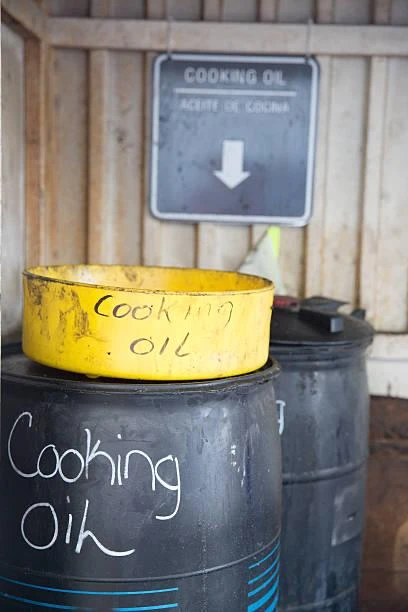
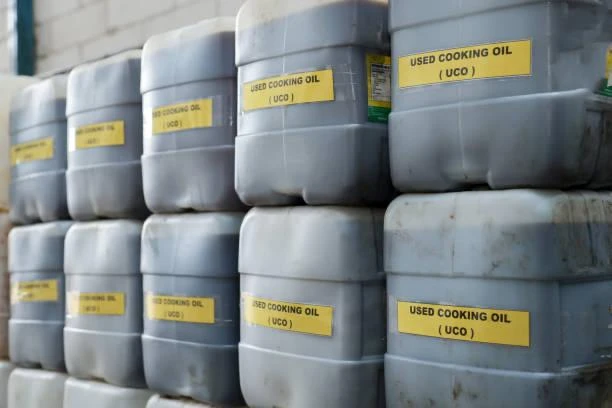
Hotels and cafes should store used cooking oil in leak-proof, labeled containers. Keeping the oil free from food scraps and other contaminants improves its recycling efficiency.
Step 3: Train Staff on Best Practices
Educating kitchen staff on the importance of used cooking oil recycling and proper handling methods ensures a smooth and effective recycling process.
Step 4: Monitor and Track Usage
Regularly monitoring oil usage helps businesses optimize their cooking processes and minimize waste while ensuring timely recycling pickups.
Conclusion
Hotels and cafes have a significant role in reducing waste and promoting sustainability. By recycling used cooking oil, these businesses not only protect the environment but also save money and support renewable energy solutions. Partnering with a professional oil collection service ensures compliance with regulations and contributes to a greener future.
For a hassle-free used cooking oil collection service, visit Ecoil and start your recycling journey today!










Sign in to leave a comment.