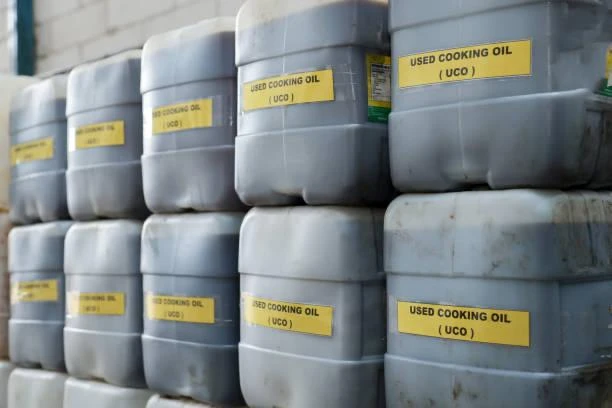
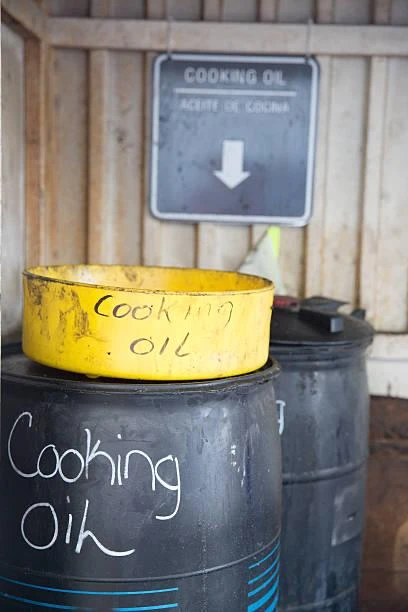
In today's fast-paced world, cooking oil is a staple in households, restaurants, and food processing units. However, once the oil has been used, disposing of it properly is crucial to prevent environmental damage. Many people unknowingly pour used cooking oil down the drain, leading to severe consequences such as clogged pipelines, water pollution, and harm to marine life. Understanding the impact of used cooking oil and adopting sustainable disposal methods can significantly contribute to environmental protection.
Why Proper Disposal of Used Cooking Oil Matters
Improper disposal of used cooking oil can have far-reaching effects:
- Water Pollution – When used cooking oil enters water bodies, it forms a layer that prevents oxygen from reaching aquatic life, leading to ecological imbalances.
- Clogged Drainage Systems – Used oil solidifies in pipes, causing severe blockages and expensive plumbing repairs.
- Soil Contamination – Dumping used oil on land can make the soil infertile, affecting plant growth and overall biodiversity.
- Health Hazards – Repeatedly using cooking oil can lead to harmful trans fats, which contribute to heart diseases and other health issues.
Sustainable Ways to Dispose of Used Cooking Oil
Instead of pouring used cooking oil down the drain, consider these environmentally friendly methods:
1. Recycling into Biodiesel
Used cooking oil can be converted into biodiesel, a renewable and cleaner alternative to fossil fuels. Many companies collect used oil and process it into biodiesel, reducing carbon emissions and promoting sustainability.
2. Soap and Detergent Production
Another creative way to repurpose used cooking oil is by converting it into soap or detergents. This process not only reduces waste but also supports eco-friendly household products.
3. Animal Feed Additives
In some cases, used cooking oil can be treated and repurposed as a component in animal feed, reducing waste and providing additional nutritional value when handled correctly.
4. Professional Collection Services
Partnering with a used cooking oil collection service, such as Ecoil, ensures that your oil is disposed of in a responsible and sustainable manner. These companies collect and recycle the oil, preventing environmental damage and supporting circular economy initiatives.
Conclusion
Used cooking oil is more than just waste—it has the potential to be a valuable resource if disposed of properly. By adopting sustainable disposal methods such as recycling into biodiesel, creating eco-friendly products, or using professional collection services, we can minimize the environmental impact and promote a greener future. If you’re looking for a reliable way to dispose of your used cooking oil responsibly, consider reaching out to Ecoil for efficient and eco-conscious collection solutions.










Sign in to leave a comment.