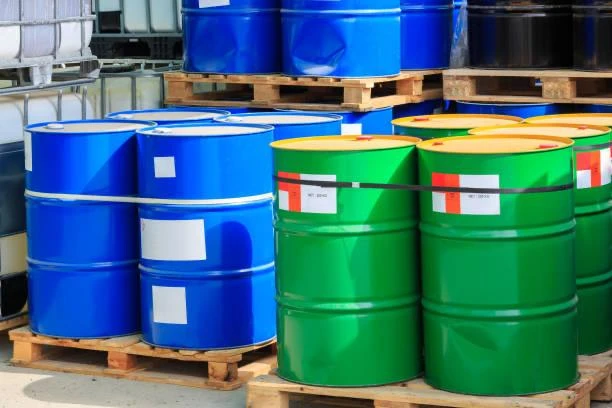
Used cooking oil is a common byproduct of households, restaurants, and food businesses. While many people dispose of it down the drain or in regular trash, improper disposal of used cooking oil can have severe consequences for the environment, public health, and even plumbing systems. Understanding the dangers of incorrect disposal and the benefits of responsible recycling can help create a more sustainable future.
Environmental Impact of Improper Used Cooking Oil Disposal
One of the most significant risks of improper used cooking oil disposal is environmental pollution. When oil is poured down the sink, it can clog pipes and sewage systems, leading to costly plumbing repairs and municipal infrastructure damage. Additionally, when used cooking oil enters waterways, it forms a thick layer on the water's surface, preventing oxygen from reaching aquatic life and disrupting marine ecosystems.
Health Hazards of Discarding Used Cooking Oil
Improper disposal of used cooking oil can contribute to public health risks. Clogged drainage systems can lead to sewage overflows, which harbor harmful bacteria and contaminants. Additionally, discarded oil attracts pests such as rodents and insects, which can spread diseases and create unsanitary living conditions.
Why Recycling Used Cooking Oil is a Better Alternative
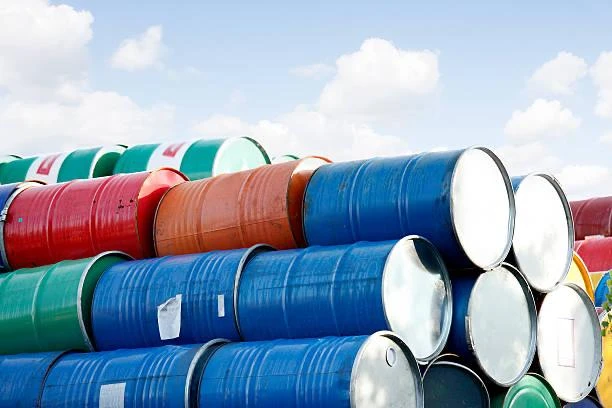
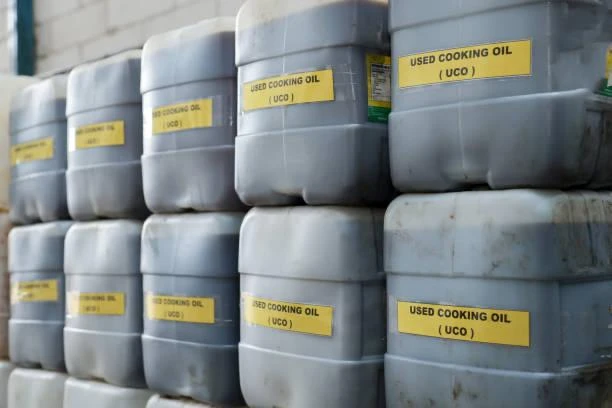
Rather than disposing of used cooking oil carelessly, recycling it is a sustainable and eco-friendly alternative. Used cooking oil can be collected and processed into biodiesel, a renewable energy source that helps reduce dependence on fossil fuels. Many businesses and recycling companies offer collection services for used cooking oil, turning waste into a valuable resource.
How to Properly Dispose of Used Cooking Oil
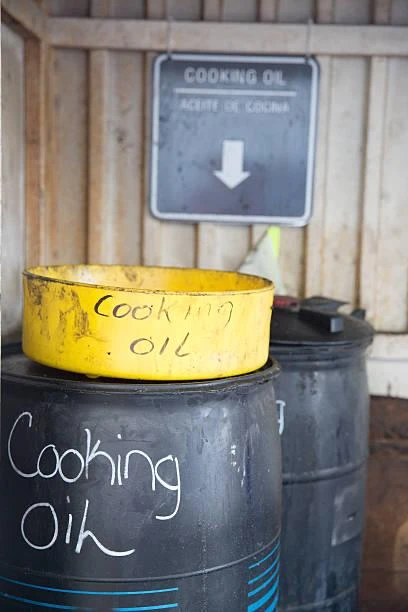
- Store It Properly: After cooking, let the oil cool down and store it in a sealed, leak-proof container.
- Find a Collection Service: Many recycling facilities and local waste management services accept used cooking oil for proper disposal.
- Reuse Responsibly: If the oil is still clean, consider reusing it for cooking to minimize waste.
- Avoid Draining or Dumping: Never pour used cooking oil down the drain, in the trash, or into natural water sources.
Conclusion
Proper disposal of used cooking oil is crucial for protecting the environment, preventing health hazards, and promoting sustainability. By recycling used cooking oil, individuals and businesses can contribute to a cleaner and greener future. If you are looking for a responsible way to dispose of used cooking oil, consider using professional collection services like Ecoil. Together, we can make a difference by turning waste into a valuable resource.







Sign in to leave a comment.