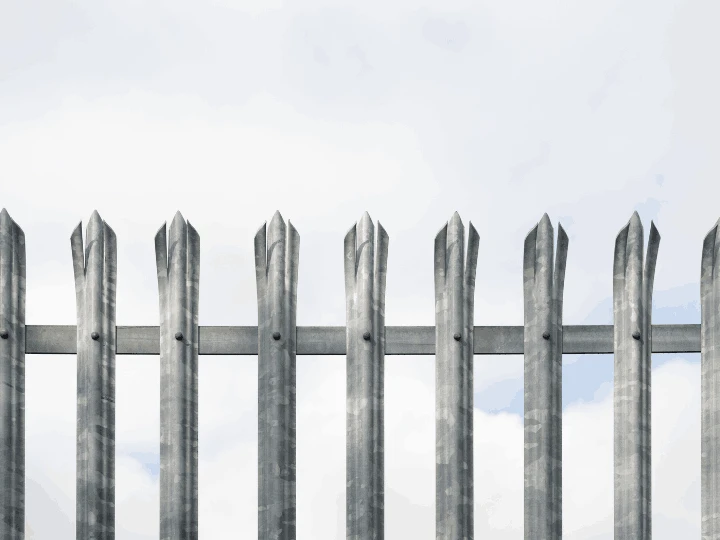

Commercial and government facilities face numerous risks, from theft and vandalism to accidental damage on-site. Implementing effective perimeter security is a crucial factor in mitigating these risks. Installing palisade fencing not only enhances the physical protection of a site but can also contribute to lower insurance premiums, providing a practical and cost-effective solution for large-scale operations such as logistics hubs, industrial estates, and government facilities.
Strengthening Security and Reducing Liability
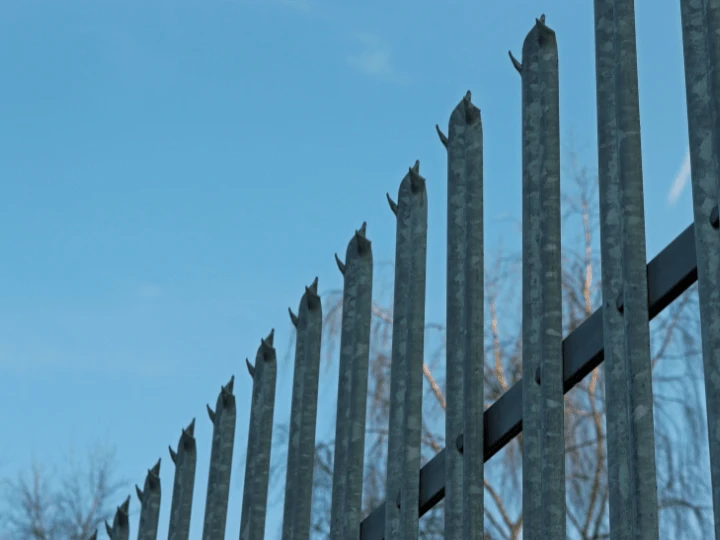
A major component of insurance assessments is the level of security present on a commercial site. A palisade fence provides a strong, tamper-resistant barrier that significantly reduces the likelihood of unauthorised access. Its vertical steel pales and rigid framework deter intruders, lowering the potential for theft, property damage, or sabotage. This enhanced protection demonstrates to insurers that risk is being proactively managed, often resulting in more favourable insurance terms.
Enhancing Visibility for Surveillance
One of the unique advantages of a palisade fence is its open design, which allows security personnel and surveillance systems to maintain clear sightlines across the property. CCTV cameras can monitor activity without obstruction, and security teams can quickly detect and respond to incidents. Insurance providers often recognise this combination of physical barriers and surveillance as a significant risk-reduction measure, which can contribute to lower premiums.
Integration with Access Control Systems
Commercial and government sites frequently require controlled entry points for vehicles and personnel. A palisade fence integrates seamlessly with automated gates, card readers, and intercom-controlled access points, ensuring only authorised individuals can enter restricted areas. Controlled access reduces the probability of accidents and liability claims, which insurers consider when calculating coverage costs.
Durability and Low Maintenance
The longevity and resilience of a security fence are important factors in ongoing insurance assessments. A palisade fence is typically constructed from galvanised steel, providing resistance to environmental conditions, corrosion, and impact. Its durable design reduces the risk of fencing failure and limits the need for frequent repairs. Demonstrating long-term, low-maintenance security infrastructure reassures insurers of the site’s stability and risk management capabilities.
Supporting Compliance and Safety Standards
Government and commercial clients must adhere to specific regulatory and safety standards to maintain operations and qualify for certain insurance policies. A palisade fence helps organisations comply with these requirements by providing a reliable perimeter barrier that meets security specifications. Clearly marked and robust fencing prevents unauthorised access to hazardous areas, reducing workplace accidents and associated claims.
Investing in palisade fencing is more than a security measure; it is a strategic approach to reducing insurance costs for commercial and government sites. By providing a durable, visible, and controlled perimeter, it lowers the risk of theft, vandalism, and liability incidents, which are key factors in insurance assessments. Implementing a palisade fence demonstrates proactive risk management, enhances operational safety, and ultimately delivers long-term cost savings for organisations responsible for protecting critical infrastructure, high-value assets, and personnel.
Sign in to leave a comment.