
Caring for an elderly loved one or someone with limited mobility comes with deep emotional and physical challenges. Every transfer — from bed to wheelchair, chair to commode, or back to bed — can become a moment of anxiety for both the patient and the caregiver. The fear of slips, back strain, or accidental injury is real, especially when mobility is severely restricted. In such situations, a reliable assistive device isn’t a luxury — it’s a necessity for maintaining safety, dignity, and independence.
That’s where the hydraulic Hoyer lift comes in — a simple yet powerful solution designed to make transfers safer, smoother, and less physically demanding. Unlike electric models that rely on power, hydraulic lifts operate through a hand-pump mechanism, giving caregivers complete control during every lift. These devices have become a cornerstone in both home and clinical care settings, offering stability, precision, and confidence with every transfer.
Understanding the Hydraulic Hoyer Lift
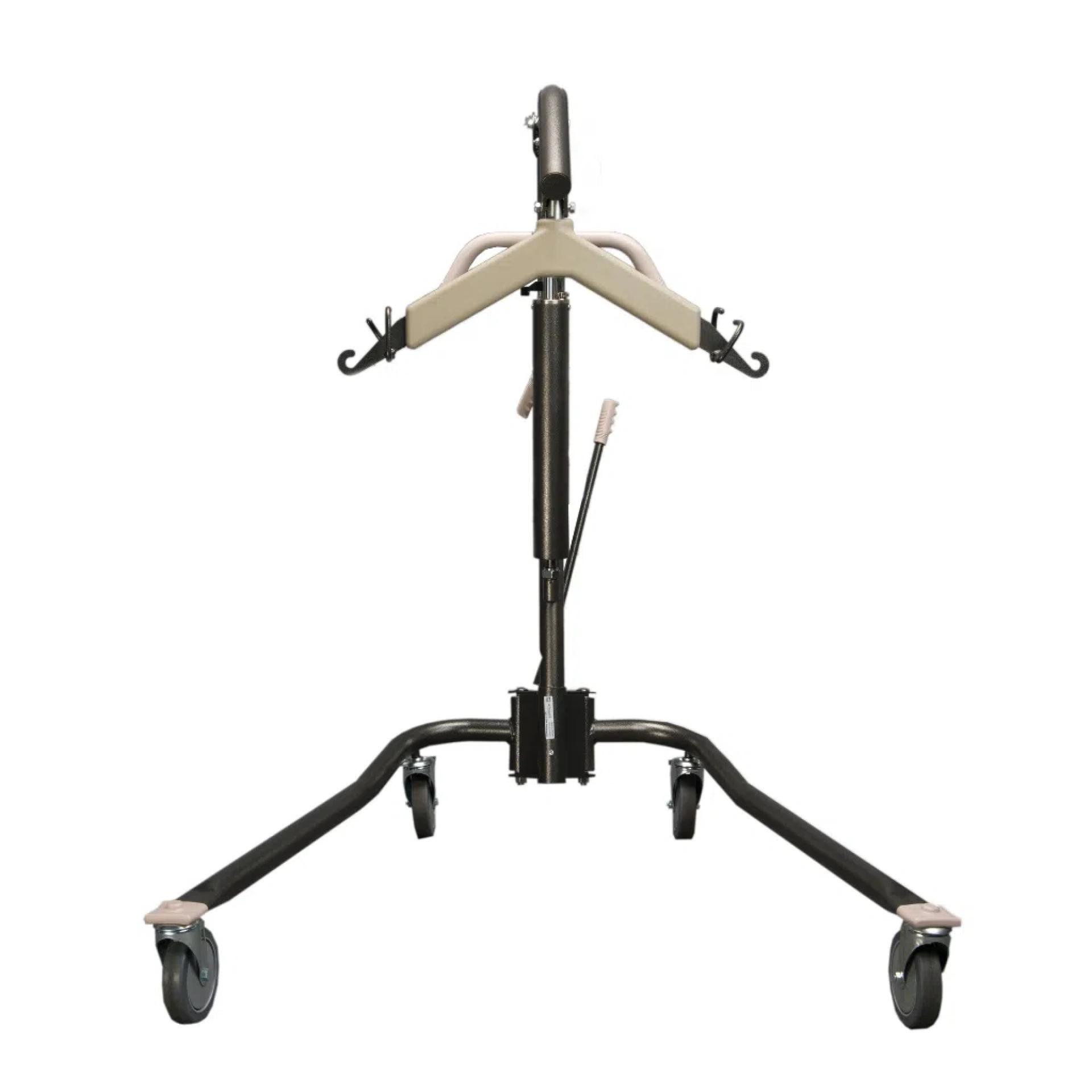
A hydraulic Hoyer lift is a manual patient lift system that uses a hydraulic pump to raise and lower individuals safely. Named after the original “Hoyer” brand that popularized this technology, these lifts are now a trusted mobility aid across hospitals, nursing homes, and private residences.
They are engineered to provide mechanical support for caregivers, replacing the physical effort traditionally needed to lift and move patients. The hydraulic mechanism — operated by a lever or pump handle — allows caregivers to gently raise the patient using fluid pressure, ensuring smooth and controlled movement.
Key Components of a Hydraulic Hoyer Lift
- Hydraulic Pump System: The heart of the device, providing a slow and steady lift with minimal effort.
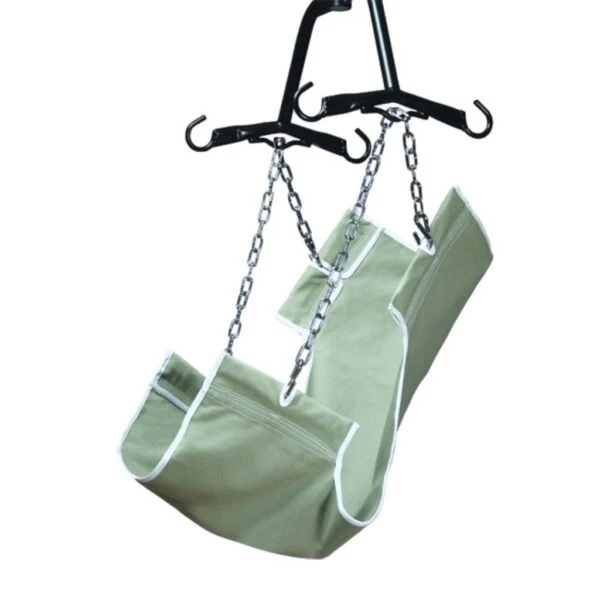
- Sling Attachment Points: Designed for compatibility with various sling styles — full-body, divided-leg, or commode slings.
- Adjustable Base and Legs: Widen or narrow to fit around furniture, wheelchairs, or hospital beds.
- Swivel Casters with Locking Brakes: For secure placement during transfers and easy maneuverability.
- Heavy-Duty Frame: Typically constructed from steel or aluminum to support weight capacities of 300–450 lbs or more.
Why Choose a Hydraulic Hoyer Lift?
Choosing a hydraulic Hoyer lift is about more than convenience — it’s about improving quality of life for both the patient and the caregiver. For elderly individuals who spend much of their time in bed or in a chair, limited movement can quickly lead to discomfort, pressure sores, or feelings of dependency. The right lift system changes that dynamic entirely.
1. Safety First – Preventing Injuries
Manual lifting can easily lead to caregiver injuries, especially back and shoulder strain. Hydraulic Hoyer lifts eliminate the need for physical lifting by distributing the patient’s weight evenly through a durable sling system. This minimizes the risk of falls and ensures both user and caregiver safety during every transfer.
2. Smooth and Controlled Transfers
The hydraulic pump allows caregivers to lift or lower the patient at a steady, comfortable pace. The absence of motors means no sudden jerks or mechanical noise — ideal for seniors who are easily startled or anxious.
3. Independence and Dignity for Seniors
Mobility aids like the hydraulic Hoyer lift help preserve dignity. Patients remain supported throughout the process, without feeling like a burden. They can experience greater comfort and autonomy during movements, restoring confidence in daily routines.
4. No Power Required
Because these lifts operate manually, they’re ideal for homes without specialized power outlets or during power outages. This reliability makes them particularly useful in both rural and emergency care environments.
5. Durability and Affordability
Compared to electric lifts, hydraulic models are more affordable, easier to maintain, and last longer due to fewer mechanical components. For families managing long-term care at home, this makes them a practical investment.
Types of Hydraulic Hoyer Lifts
When selecting the right lift, understanding the different types of hydraulic Hoyer lifts available is essential. Each is designed to meet specific needs based on the care environment, available space, and patient condition.
1. Standard Hydraulic Patient Lifts
These are the most common and widely used models for both home and clinical care. They feature a simple hand pump system and adjustable base legs that can fit around chairs or beds. Most can accommodate slings of various styles.
2. Bariatric Hydraulic Lifts
Built for heavy-duty use, these lifts support higher weight capacities (up to 600 lbs). They feature reinforced frames and wider bases to maintain stability, making them ideal for bariatric patients or long-term hospital use.
3. Compact and Portable Hydraulic Lifts
Perfect for homecare or smaller rooms, these models are lightweight and easy to fold or transport. Despite their compact size, they provide dependable performance for daily transfers.
4. Floor-Based vs. Standing Hydraulic Lifts
- Floor-Based Lifts allow full-body support for patients who cannot stand independently.
- Standing Hydraulic Lifts (also known as sit-to-stand lifts) help partially mobile patients stand safely for toileting or short transfers.
Choosing the Right Hydraulic Hoyer Lift for Elderly
Selecting the right model depends on the user’s mobility level, available space, and the caregiver’s needs. Here are key factors to guide your decision:
1. Weight Capacity
Always choose a lift that comfortably supports the patient’s weight. Standard models usually handle up to 450 lbs, while bariatric models can go higher.
2. Sling Compatibility
Different slings serve different purposes — from full-body support to toileting or hygiene assistance. Ensure your lift is compatible with multiple sling types and easy to attach.
3. Ease of Operation
Look for ergonomic pump handles that reduce caregiver strain and allow smooth, single-person operation. Adjustable bases and swivel casters also make movement easier.
4. Space and Maneuverability
Consider your environment — a compact, foldable model might be ideal for smaller rooms, while wide-base lifts offer greater stability in open spaces.
5. Maintenance and Durability
Choose a hydraulic Hoyer lift with sturdy construction and quality seals for the hydraulic system. Steel frames offer excellent durability, while aluminum provides lightweight maneuverability.
Safety and Maintenance Tips
Proper use and maintenance of your Hoyer lift ensure it remains safe and dependable for years.
- Inspect Before Each Use: Check for leaks, loose bolts, or worn sling straps.
- Use the Right Sling: Always use slings rated for your specific lift model and patient weight.
- Lock Wheels During Transfers: Prevent rolling or tipping during lifting or lowering.
- Pump Slowly and Evenly: Avoid jerky movements to ensure patient comfort.
- Regularly Lubricate Moving Parts: Keeps the pump and joints operating smoothly.
- Annual Safety Checks: Especially important in long-term care facilities.
Emotional Impact: Supporting Independence and Dignity
Beyond functionality, hydraulic lifts represent compassion in care. For many elderly individuals, needing help with mobility can feel like a loss of independence — a humbling reminder of aging. But with the right equipment, that emotional burden can be eased.
A hydraulic Hoyer lift allows caregivers to assist with love and dignity, not struggle and strain. It transforms daily transfers into moments of reassurance rather than fear. The elderly regain comfort and confidence, while caregivers can focus more on connection than exertion.
When to Consider a Hydraulic Hoyer Lift
You may need to consider a hydraulic Hoyer lift if:
- The patient has limited or no mobility in the lower body.
- Caregivers experience back or shoulder strain during manual lifts.
- Transfers involve movement between multiple surfaces daily.
- Home modifications (like ramps or hoists) aren’t feasible.
A good lift doesn’t just move a person — it restores freedom and security for both patient and caregiver.
Conclusion
A Hoyer lift is one of the most dependable tools in patient mobility care. Its manual design offers consistent, safe, and controlled lifting without dependency on power sources, making it ideal for home and professional settings alike. For families caring for elderly loved ones, it’s a simple yet transformative solution — reducing risk, preserving dignity, and enhancing comfort every day.
At Med Mobility Homecare, we understand how deeply patient safety and caregiver support matter. Our curated range of hydraulic Hoyer lifts combines quality, durability, and ease of use — ensuring that every transfer is safe, stable, and dignified. Explore our collection today and discover the lift that best supports your caregiving journey.











Sign in to leave a comment.