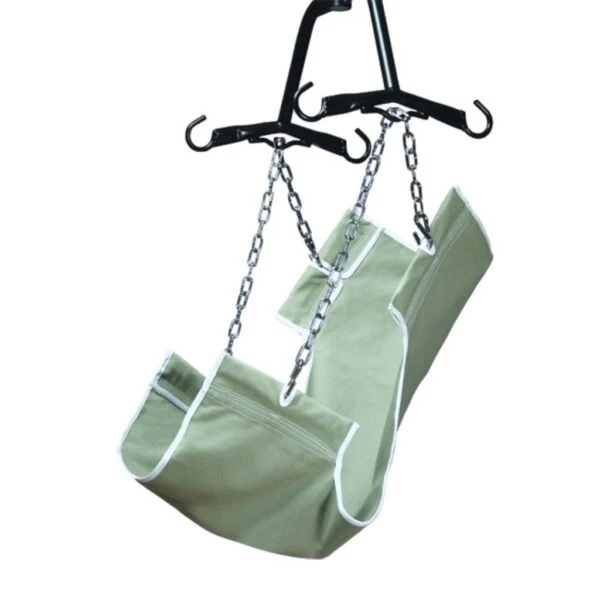

Introduction: The Real-Life Challenges of Mobility
For many seniors and individuals living with mobility challenges, even the simplest daily activities—getting out of bed, moving to a chair, or using the bathroom—can become overwhelming tasks. Families and caregivers often find themselves facing not only physical strain but also emotional stress while trying to provide safe and dignified transfers. One wrong movement can result in falls, injuries, or unnecessary pain for the patient, while the caregiver risks back injuries or fatigue.
This is where a sling for Hoyer lift becomes an invaluable tool. More than just a piece of medical equipment, it represents security, comfort, and independence for those who rely on it, while also giving caregivers peace of mind. By evenly supporting the patient’s body during a transfer, a sling for Hoyer lift ensures that mobility challenges do not translate into daily struggles or risks.
In this guide, we’ll take a deep dive into how slings work, the different types available, and the factors you should consider when choosing the right sling for your loved one or patient.
What Is a Sling for Hoyer Lift?
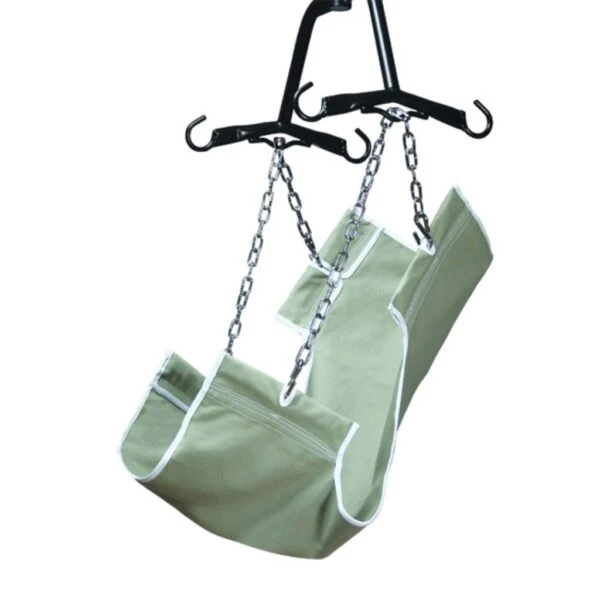
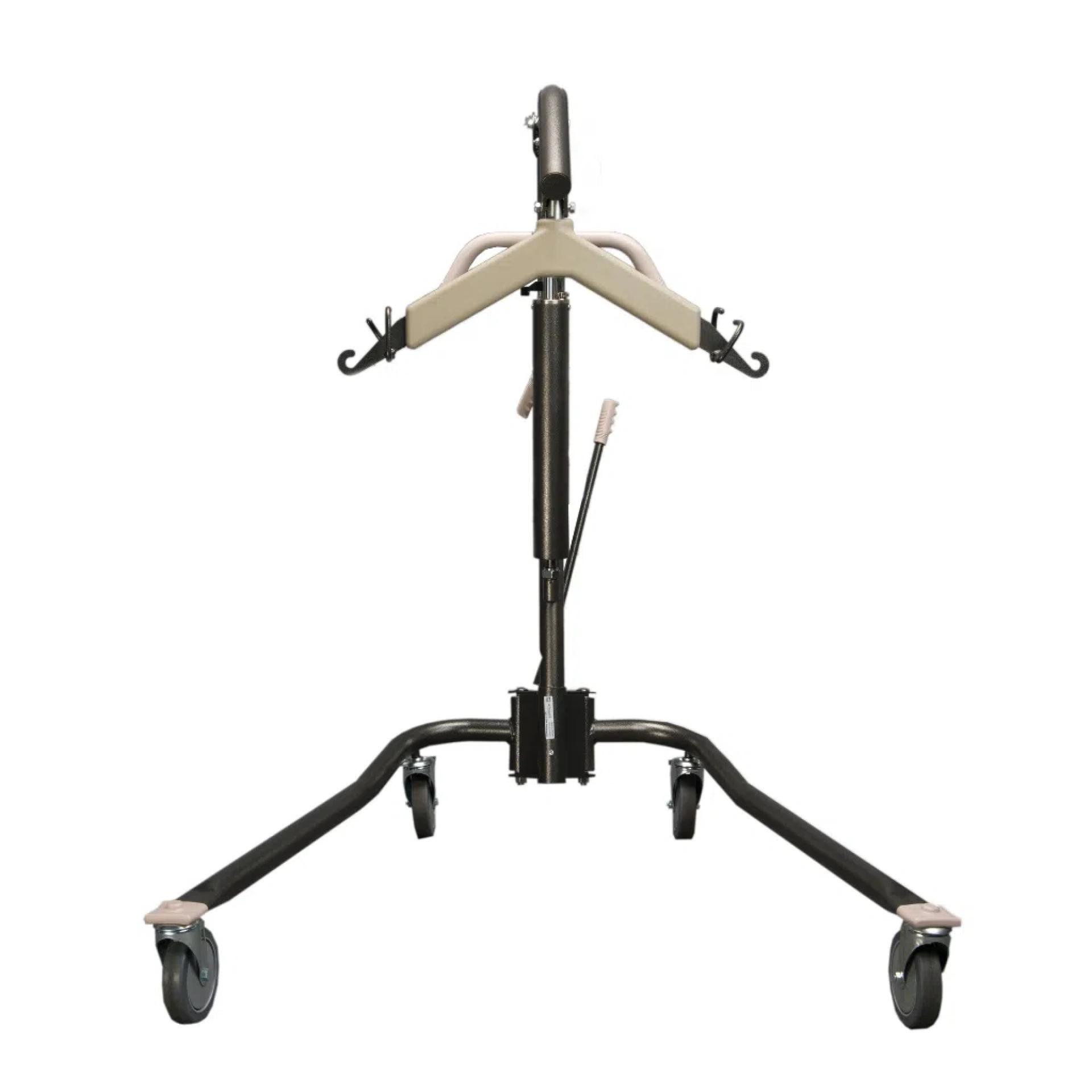
A sling for Hoyer lift is a specially designed fabric support that cradles the patient during transfers with a Hoyer lift or similar mechanical lift system. The sling wraps around and under the patient, attaching securely to the lift via straps or loops.
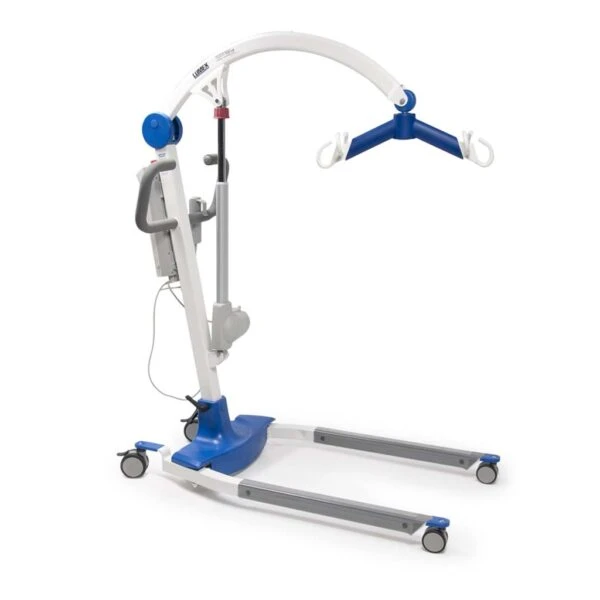
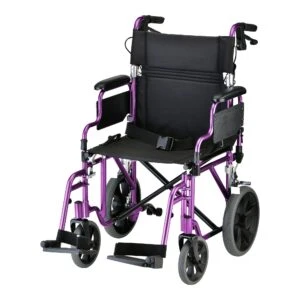
When the lift raises the sling, the patient’s weight is evenly distributed, minimizing pressure points and ensuring comfort. This design reduces the risk of injury, prevents unnecessary strain on caregivers, and allows safe transfers from bed to wheelchair, commode, or recliner chair.
Why Are Slings So Important for Seniors and Caregivers?
The importance of a sling for Hoyer lift cannot be overstated. For seniors, it means safe and comfortable mobility. For caregivers, it means reduced physical strain and improved confidence in managing daily routines.
Benefits for Seniors:
- Provides complete body support during transfers
- Reduces risk of falls and accidents
- Minimizes pain and pressure on sensitive areas
- Maintains dignity and comfort in personal care routines
Benefits for Caregivers:
- Prevents back injuries and fatigue
- Ensures secure and efficient transfers
- Builds trust and confidence during daily care
- Frees up energy for more meaningful interactions
Types of Slings for Hoyer Lifts
Not all slings are the same. Choosing the right type depends on the patient’s condition, weight, mobility level, and specific needs. Below are the main categories:
1. Full Body Slings
- Best for: Patients with very limited mobility or total support needs
- Features: Covers the entire body, often with head, neck, and back support
- Use case: Ideal for bed-to-chair transfers or bathing
2. U-Slings (Universal Slings)
- Best for: Patients with moderate mobility
- Features: U-shaped design that supports torso and thighs, leaving lower back open
- Use case: Quick transfers and easy application under patients in seated positions
3. Toileting Slings
- Best for: Bathroom use
- Features: Provides secure support while leaving lower body accessible
- Use case: Essential for toileting and personal hygiene without full undressing
4. Mesh Slings
- Best for: Showering or bathing
- Features: Breathable mesh fabric that dries quickly
- Use case: Transfers to and from showers, wet environments
5. Bariatric Slings
- Best for: Heavier patients
- Features: Reinforced stitching and stronger fabric, higher weight capacity
- Use case: Safe transfers for bariatric care settings
6. Padded Slings
- Best for: Patients with sensitive skin or discomfort issues
- Features: Extra padding for added comfort and reduced skin irritation
- Use case: Long-term use where comfort is a priority
Choosing the Right Sling for Hoyer Lift
When selecting a sling, consider the following key factors:
- Patient’s Condition: Do they need full support or partial assistance?
- Type of Transfer: Will the sling be used for daily transfers, bathing, or toileting?
- Material: Mesh for showering, padded for comfort, breathable for long-term wear.
- Weight Capacity: Ensure the sling supports the patient’s weight safely.
- Size & Fit: Slings come in various sizes—small, medium, large, bariatric.
- Care Environment: Home settings may prioritize comfort, while hospitals may need durability and easy-clean fabrics.
How to Use a Sling for Hoyer Lift Safely
Using a sling properly is just as important as choosing the right one. Here’s a step-by-step guide:
- Position the Sling: Roll the patient gently to one side and place the sling beneath them.
- Adjust for Comfort: Ensure the sling supports the head, neck, and thighs properly.
- Attach the Straps: Connect the loops to the lift according to the patient’s needs (different loops allow different sitting positions).
- Lift Slowly: Engage the Hoyer lift to raise the patient slowly, checking comfort at every stage.
- Transfer Carefully: Move the patient to the desired location (bed, wheelchair, commode) while maintaining steady control.
- Lower Safely: Gently lower the patient and remove the sling if appropriate.
Safety Tips:
- Always check sling condition before use
- Follow manufacturer guidelines for weight capacity
- Communicate with the patient during each step
- Never leave a patient unattended in a suspended sling
Emotional Impact of the Right Sling
Beyond mechanics, the right sling for Hoyer lift brings emotional comfort. Seniors often feel vulnerable during transfers. A secure and comfortable sling reassures them that they won’t fall or experience unnecessary pain. For caregivers—often spouses, children, or professional aides—using a sling reduces anxiety and strengthens the bond of trust.
In essence, a sling is not just fabric and straps—it’s a tool of dignity, independence, and safety.
Comparing Top Brands of Full Body Slings
Different brands offer slings with unique strengths:
- Invacare: Durable, with excellent head and back support
- Joerns Healthcare: Breathable fabrics for longer use
- McKesson: Padded and mesh options for versatility
- MedaCure: Heavy-duty designs for bariatric patients
- ProBasics: Affordable, practical solutions for home care
- Vive Health: Gentle, skin-friendly designs for sensitive patients
- Emerald: Adjustable, high-capacity slings for tailored support
Common Mistakes to Avoid
- Using the wrong size sling (can cause discomfort or unsafe transfers)
- Overloading beyond the weight limit
- Not checking wear and tear (frayed straps can be dangerous)
- Skipping patient communication during transfers
- Using one sling for all purposes (toileting, showering, and bed transfers may need different sling types)
Conclusion: Choosing Safety, Comfort, and Dignity
For families and caregivers, the daily challenge of helping seniors or patients with limited mobility can feel overwhelming. But with the right sling for Hoyer lift, transfers become safer, smoother, and far less stressful.
From full-body support to specialized slings for bathing or toileting, each type plays an important role in ensuring both the patient’s dignity and the caregiver’s well-being. By understanding the different options, considering the patient’s needs, and following safe usage practices, you can make transfers a positive, safe, and comfortable experience.
A sling may seem like a simple tool, but in reality, it’s a lifeline—helping people maintain dignity, caregivers avoid injuries, and families focus on what truly matters: compassionate care.
Med Mobility Homecare, a trusted provider of senior mobility solutions, emphasizes the importance of using high-quality patient lift slings to ensure both safety and dignity in caregiving.











Sign in to leave a comment.