
Growing older or living with limited mobility often brings changes no one truly prepares for — the gradual realization that something as simple as moving from a bed to a chair, or from the living room to the car, has become a challenge. Many older adults describe this as one of the most frustrating parts of aging — not the pain or fatigue, but the loss of independence in small, everyday movements that once came naturally.
For family members and caregivers, it can be equally difficult. They watch their loved ones struggle, worry about falls, and feel anxious every time they need to help with transfers. It’s not just a matter of physical strain — it’s emotional too. Everyone wants to preserve dignity, safety, and a sense of normalcy.
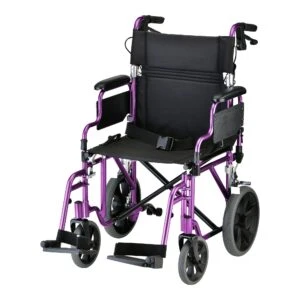
That’s where tools like a transfer wheelchair come in. They’re not just medical devices; they’re bridges between dependence and independence. Whether used temporarily during recovery or long-term for mobility support, a transfer wheelchair allows individuals to move more freely, safely, and confidently — both indoors and outdoors.
Understanding Why Safe Transfers Matter
Falls and transfer-related injuries are among the most common causes of hospitalization for seniors. According to the CDC, nearly one in four older adults experience a fall each year, and many occur during transitions — from sitting to standing, or from bed to chair. These accidents can have serious consequences: fractures, head injuries, and a deep loss of confidence in one’s own mobility.
A transfer chairs for elderly minimizes these risks. It provides stable support and eliminates awkward movements, reducing the physical strain on both the user and caregiver. The result isn’t just safety — it’s peace of mind.
When you think about it, maintaining independence isn’t just about being able to move — it’s about being able to move without fear.
How a Transfer Wheelchair Helps in Daily Life
A transfer wheelchair is designed specifically for short-distance mobility and transitions. Unlike standard self-propelled wheelchairs, these are often lighter, narrower, and easier to maneuver in tight spaces — ideal for home use, hospitals, and care settings.
Here’s how it can make a meaningful difference every day:
1. Smooth Transfers Between Rooms and Spaces
Many seniors find it challenging to walk long distances indoors. A transfer wheelchair makes moving between the bedroom, dining area, or bathroom much easier, reducing fatigue and preventing slips.
2. Safe Hospital or Home Transitions
During recovery or rehabilitation, even simple tasks like getting from the bed to a commode or shower chair can be risky. Transfer wheelchairs, when combined with proper techniques, make these movements safe and effortless.
3. Reduced Caregiver Strain
Lifting or supporting a person manually can take a toll on caregivers’ backs and joints. Transfer wheelchairs simplify this by providing a secure seat and handles for easier assistance.
4. Freedom During Outings
Whether it’s a short walk in the garden or a doctor’s appointment, a lightweight transfer wheelchair ensures seniors stay engaged with the world around them — something vital for emotional health.
Design and Function: The Subtle Power of Simplicity
Transfer wheelchairs are often underrated, but their design is remarkably thoughtful. They typically include:
- Lightweight aluminum or steel frames for stability and portability
- Smaller rear wheels that make them easier for caregivers to push
- Locking brakes and swing-away footrests for safety and comfort
- Compact width to navigate hallways and doorways easily
- Foldable frames for convenient storage and transport
Some models also include flip-back armrests or detachable components, allowing users to transfer directly from bed or toilet without unnecessary lifting.
These small details might sound technical, but in practice, they mean something profound — fewer accidents, more comfort, and greater independence.
When Should You Consider Using a Transfer Wheelchair?
Knowing when to introduce mobility aids can be tricky, especially when the goal is to preserve independence for as long as possible. But here are a few signs that a transfer wheelchair might be worth considering:
- Frequent falls or loss of balance during transfers
- Significant fatigue after walking short distances
- Weakness due to conditions like arthritis, stroke, or Parkinson’s
- Pain in hips, knees, or spine while standing up
- Need for assistance during daily transitions
The earlier these supports are introduced, the more they help prevent accidents and maintain confidence. It’s about empowering independence, not replacing it.
Emotional Benefits That Go Beyond Mobility
It’s easy to view a transfer wheelchair purely as a tool for movement — but it’s so much more than that. For seniors and their families, it represents freedom, security, and dignity.
Imagine being able to move across your home without calling for help every time. Or being able to sit outside in the sun for a few minutes without worrying about falling. These are small victories, but they make a big difference in emotional well-being.
Many older adults who start using mobility aids report feeling more in control again. They regain confidence to participate in activities and social interactions that once felt out of reach. This emotional lift often contributes to better overall health outcomes, both physically and mentally.
Safety Tips for Using a Transfer Wheelchair
To get the most benefit and reduce the risk of injury, both users and caregivers should follow a few essential safety guidelines:
- Lock the brakes before sitting or standing.
- Use transfer boards or gait belts when necessary for additional support.
- Remove footrests or swing them away before transfers to avoid tripping.
- Ensure the wheelchair is positioned close to the bed, chair, or toilet before starting the transfer.
- Communicate clearly — caregivers should guide movements and ensure the user feels balanced before shifting weight.
- Maintain posture — always bend at the knees, not the back, when assisting.
Safety isn’t just about equipment; it’s about mindfulness during every move.
Choosing the Right Transfer Wheelchair for Your Needs
Selecting a transfer wheelchair depends on a few key factors:
- User weight and body size: Choose a model that supports the correct weight capacity.
- Frequency of use: For daily use, look for padded seats and adjustable armrests.
- Environment: Indoor use may require compact models; for outdoor trips, opt for larger wheels and durable frames.
- Caregiver involvement: If someone assists you regularly, ensure the chair’s handles and brakes are ergonomically designed.
Consulting a healthcare professional or occupational therapist can also help identify the best fit for your mobility goals.
The Role of Caregivers and Loved Ones
Behind every successful transfer is a caregiver — often a family member — who provides strength, patience, and compassion. But it’s important to remember that they need support too.
A transfer chairs for elderly doesn’t just help the person sitting in it; it protects caregivers from physical strain and burnout. With the right equipment and training, caregivers can focus less on heavy lifting and more on meaningful connection — sharing a meal, going outdoors, or simply talking without the constant worry of injury.
Caregiving should never feel like a burden. The right tools make it a partnership rooted in safety, comfort, and respect.
Frequently Asked Questions (FAQs)
1. Can a transfer wheelchair be used outdoors?
Yes, most models can handle smooth outdoor surfaces like sidewalks or garden paths. However, for rough terrain, a sturdier travel or transport wheelchair may be more suitable.
2. How is a transfer wheelchair different from a regular wheelchair?
A transfer wheelchair is lighter, has smaller rear wheels, and is designed mainly for assisted mobility and short transfers — rather than long-distance self-propulsion.
3. Do transfer wheelchairs fold easily for travel?
Absolutely. Many modern designs fold compactly and can fit in a car trunk, making them perfect for outings and appointments.
4. Can I transfer by myself using this type of chair?
That depends on your strength and balance. Many users can perform partial transfers independently, but caregiver support or supervision is often recommended for safety.
5. Are there special techniques for transferring safely?
Yes. Always ensure the brakes are locked, footrests are out of the way, and the transfer surface (like a bed or toilet) is close to the chair. Move slowly and avoid sudden shifts.
6. How do I know when it’s time to start using one?
If walking short distances feels risky, exhausting, or painful — or if you’ve had recent falls — it’s worth discussing a transfer wheelchair with your doctor or therapist.
7. Can a transfer wheelchair help someone recovering from surgery?
Definitely. After hip, knee, or back surgery, transfer wheelchairs can make daily mobility safer and reduce the risk of re-injury during recovery.
The Journey Toward Safer, More Confident Living
Mobility challenges don’t have to mean losing control over your life. Tools like a transfer wheelchair are more than mobility aids — they are pathways back to comfort, dignity, and freedom.
Every safe transfer is a small victory — a reminder that independence can take many forms, and that adapting to change is a sign of strength, not defeat.
And for caregivers, every easier movement means more energy for what truly matters: connection, care, and shared moments of peace.











Sign in to leave a comment.