
Australia has one of the highest rates of cat ownership in the world, with millions of cats living predominantly indoors — especially in apartment-heavy cities like Melbourne and Sydney. Indoor living keeps them safe from traffic and wildlife risks. But meanwhile… it can create a new problem.
Sudden biting. Ambush attacks from under the couch. That dramatic 2 am sprint across your face.
So here’s the question many local cat owners quietly Google at midnight:
Is aggression in indoor cats actually just an unused hunting instinct?
Short answer? Often, yes. But it’s fixable — and usually without drama.
Let’s break it down.
Why Do Indoor Cats Suddenly Act Aggressively?
Think of your cat like a professional athlete who never gets to play the game.
Cats are biologically wired to stalk, chase, pounce, and “kill” prey. In the wild, they may hunt up to 10–20 small prey items per day. That’s a lot of energy output. Meanwhile, your indoor cat might walk from the couch… to the food bowl… and back again.
When that hunting drive has nowhere to go, it leaks out as:
- Ankle ambushing
- Biting during petting
- Swatting without warning
- Zoomies that escalate into rough play
Interestingly, this behaviour is most common in younger cats (under 3 years) and highly intelligent breeds. But any indoor cat can develop pent-up predatory energy.
How Can You Tell If It’s Hunting Instinct — Not “Bad Behaviour”?
Not all aggression is instinct-driven. But there are clues.
If your cat:
- Crouches low before attacking
- Wiggles their back end before pouncing
- Targets moving objects (feet, hands, dangling cords)
- Attacks during peak energy times (dawn and dusk)
That’s classic hunting sequence behaviour.
True aggression linked to fear or health issues often includes hissing, flattened ears, or avoidance. If behaviour changes suddenly or seems extreme, always rule out medical causes with a vet.
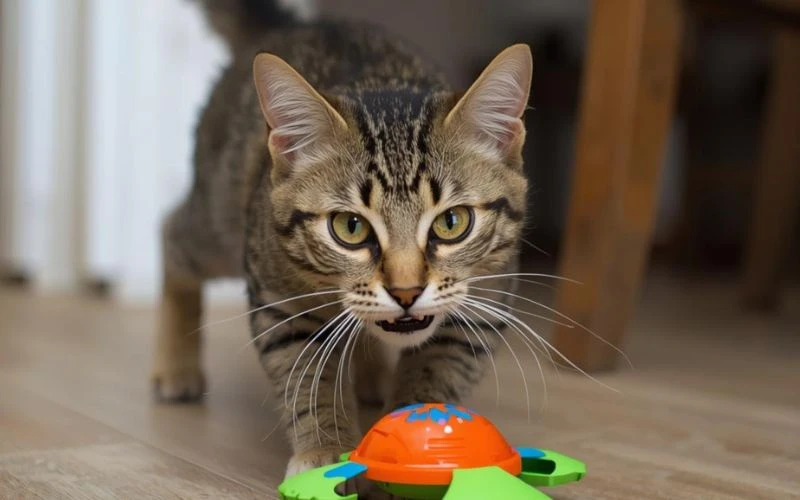
But if it looks like a tiny jungle predator in your lounge room? You’re likely dealing with an unused instinct.
Can Play Really Reduce Aggression in Indoor Cats?
Absolutely. But here’s the catch — not all play is equal.
Waving a toy for 30 seconds doesn’t replicate a hunt. Cats need the full sequence:
Stalk
Chase
Pounce
Capture
“Kill”
Eat (or receive a treat)
An easy way to structure this is short, intense play sessions twice daily — ideally morning and evening.
In many Australian households, especially apartments, vertical space is limited. So interactive play becomes even more important. This is where many owners explore interactive cat toys in Australia that retailers stock — toys that mimic prey movement or encourage problem-solving.
The key isn’t constant stimulation. It’s structured, satisfying sessions.
What’s the Best Way to Redirect Aggression Safely?
Here’s a practical step-by-step reset plan:
Step 1: Stop Using Hands as Toys
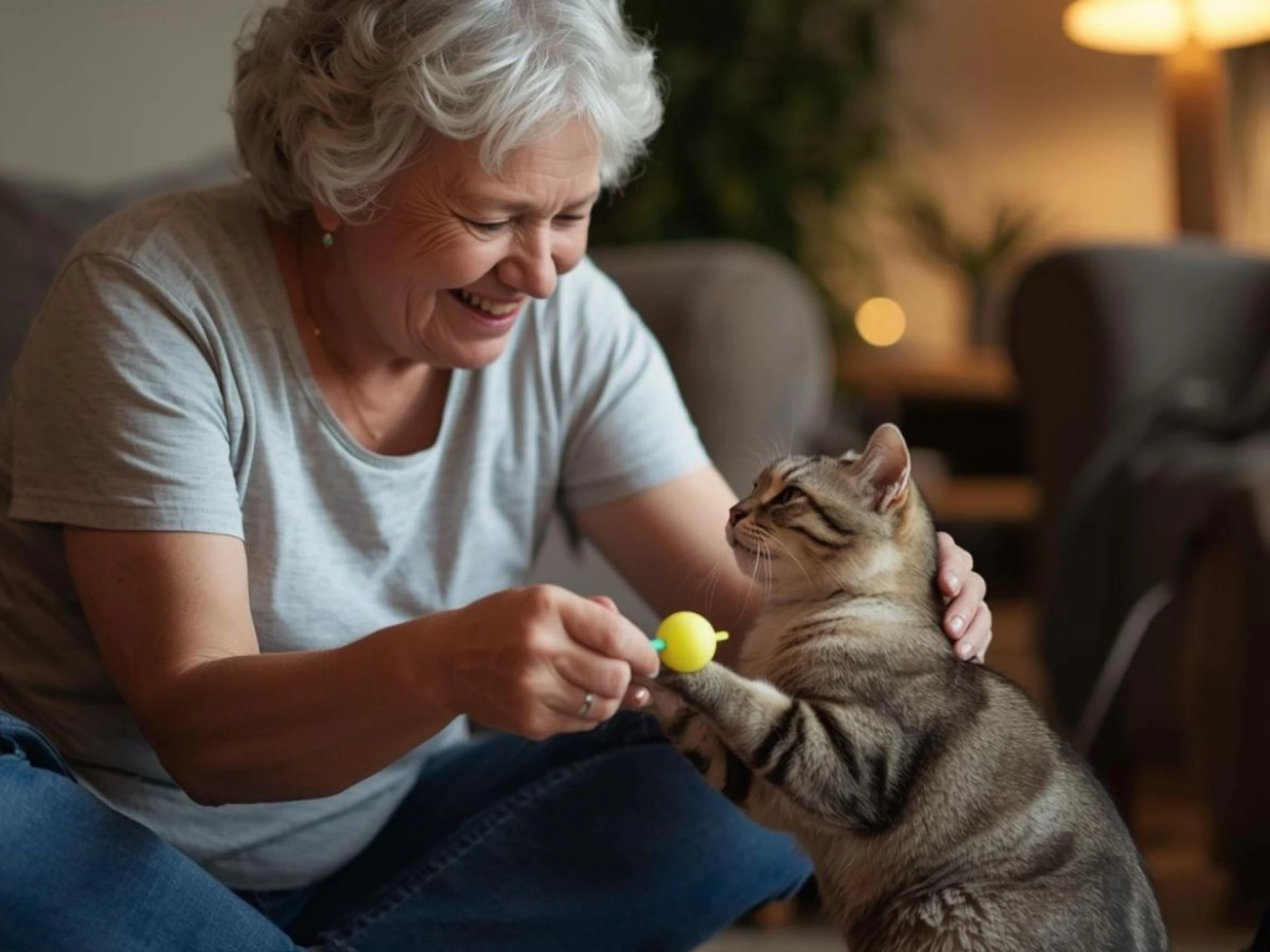
It seems obvious. Yet many cats learn that hands = prey. Use wand toys instead.
Step 2: Schedule Two 10–15 Minute Hunt Sessions Daily
Consistency matters more than duration.
Step 3: End With Food
A small meal or treat completes the natural cycle and signals “hunt successful.”
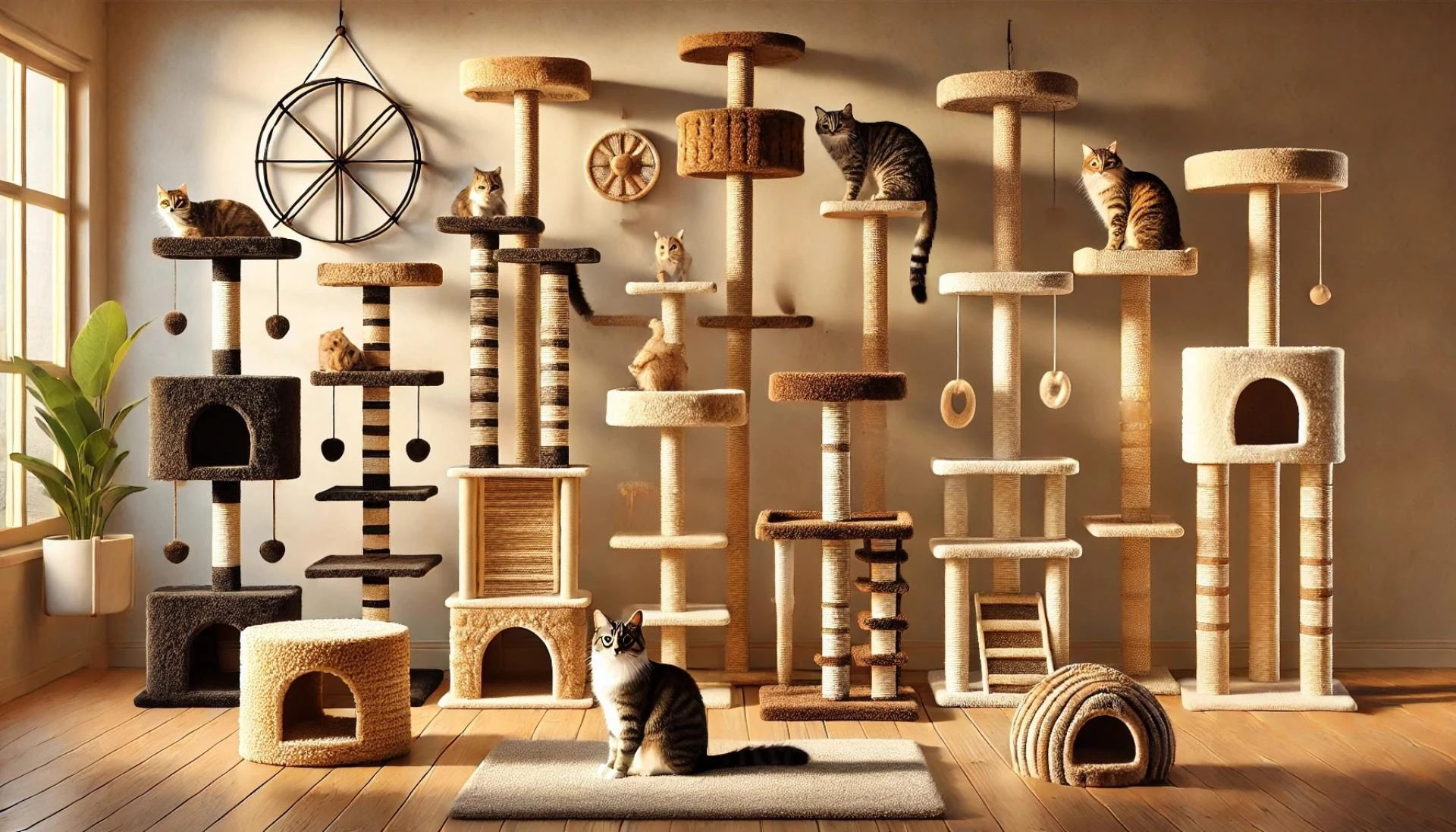
Step 4: Increase Environmental Enrichment
- Window perches
- Climbing shelves
- Puzzle feeders
- Rotating toys weekly
Think of enrichment like mental cardio. Without it, energy builds up.
If you’re unsure what suits your cat’s personality, visiting a affordable cat store online Australia that specialises in enrichment tools can help you choose toys designed for hunting-style engagement rather than passive batting.
Does Apartment Living Make Aggression Worse?
Not necessarily. But limited stimulation can.
In dense suburbs of Sydney and Melbourne, many indoor cats lack:
- Outdoor scents
- Natural prey sounds
- Climbing trees
- Territory variety
Interestingly, adding simple sensory enrichment — like safe balcony time, bird videos, or scent trails using cat-safe herbs — can significantly reduce restlessness.
Space isn’t always the issue. Boredom is.
When Should You Worry?
Consult a vet or behaviourist if:
- Aggression is sudden and severe
- Your cat guards resources
- There’s growling, hissing, or defensive posture
- Behaviour escalates despite enrichment
Pain, anxiety, or medical conditions can mimic hunting-driven aggression.
Final Takeaway: Your Indoor Cat Reset Checklist
If your cat has turned into a mini ambush predator, try this starting today:
☐ Two structured hunt-style play sessions daily
☐ Always end play with a small food reward
☐ Rotate toys weekly to prevent boredom
☐ Add vertical space or window enrichment
☐ Avoid using hands or feet as play objects
☐ Monitor for signs of stress vs playful hunting
Most “aggressive” indoor cats aren’t mean. They’re under-stimulated.
Give them a safe outlet for their inner hunter, and you’ll likely see fewer ankle attacks — and a much calmer home.











Sign in to leave a comment.