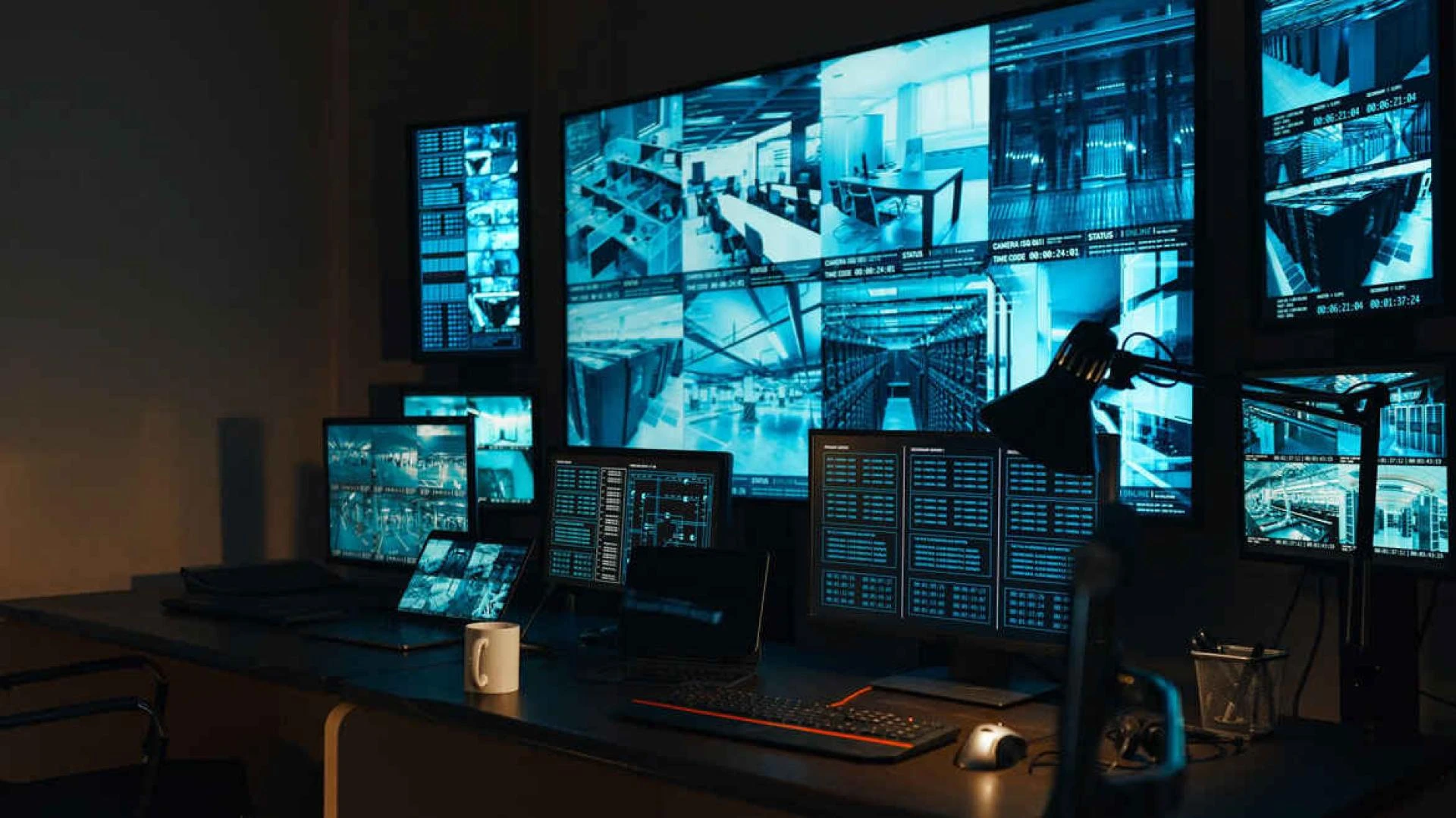

As technology continues to advance at a rapid pace, video surveillance systems have evolved significantly, offering a range of sophisticated features that enhance security and peace of mind.
In Canada, the adoption of modern video surveillance systems is growing across various sectors, including businesses, public spaces, and residential areas.
This article explores the top features of modern video surveillance in Canada, highlighting how these advancements are revolutionizing security and surveillance practices.
High-Definition Video Quality
One of the most significant advancements in modern video surveillance systems is the transition to high-definition (HD) and ultra-high-definition (UHD) video quality. Traditional analog cameras often produced grainy and low-resolution footage, making it challenging to identify individuals or incidents accurately.
In contrast, modern surveillance cameras provide crystal-clear video with resolutions ranging from 1080p to 4K and even 8K.
The benefit of HD and UHD video quality is evident in various scenarios. For businesses, it means better monitoring of employee activities, improved loss prevention, and more reliable evidence in the event of theft or misconduct. In public spaces, high-resolution footage aids law enforcement in identifying suspects and solving crimes more efficiently. Residential users also benefit from the ability to monitor their properties with exceptional clarity, ensuring their families' safety and security.
Intelligent Video Analytics
Intelligent video analytics is another transformative feature of modern video surveillance systems. By leveraging artificial intelligence (AI) and machine learning algorithms, these systems can analyze video footage in real time, identifying specific patterns and behaviors. This capability goes beyond simple motion detection, allowing for more sophisticated event detection and response.
For instance, modern video surveillance systems can detect and alert users to unusual activities, such as loitering, unauthorized access, or abandoned objects. This proactive approach to security helps prevent incidents before they escalate. Additionally, video analytics can recognize faces, license plates, and even specific objects, making it easier to track individuals and vehicles.
In Canada, where public safety is a top priority, intelligent video analytics plays a crucial role in enhancing security in crowded areas like airports, train stations, and stadiums. These systems can identify potential threats and alert security personnel, allowing for swift and effective responses.
Remote Access and Monitoring
The ability to remotely access and monitor video surveillance systems is a game-changer for both businesses and homeowners. Modern systems are equipped with cloud-based storage and mobile apps, enabling users to view live and recorded footage from anywhere in the world using their smartphones, tablets, or computers.
Remote access is particularly beneficial for business owners who need to keep an eye on multiple locations simultaneously. It allows them to ensure that operations are running smoothly and that security protocols are being followed. For homeowners, remote access provides peace of mind when they are away from home, allowing them to check in on their property and loved ones at any time.
Moreover, remote monitoring is essential for law enforcement agencies and security firms in Canada. It enables real-time collaboration and coordination, ensuring a rapid response to emergencies and enhancing overall public safety.
Advanced Motion Detection and Alerts
Motion detection has long been a standard feature of video surveillance systems, but modern advancements have taken it to a whole new level. Today's systems use advanced motion detection algorithms that can differentiate between human movement and other types of motion, such as animals or passing vehicles. This reduces false alarms and ensures that users are only alerted to relevant events.
In addition to improved motion detection, modern video surveillance systems offer customizable alert settings. Users can define specific areas within the camera's field of view to monitor for motion, set sensitivity levels, and choose how they want to receive alerts—whether through email, SMS, or mobile app notifications.
For businesses in Canada, advanced motion detection and alerts are invaluable for securing perimeters, monitoring sensitive areas, and ensuring that unauthorized access is promptly addressed. Homeowners also benefit from enhanced security, knowing they will be alerted to any unusual activity around their property.
Night Vision and Low-Light Performance
Effective surveillance doesn't stop when the sun goes down. Modern video surveillance systems are equipped with advanced night vision and low-light performance capabilities, ensuring clear and detailed footage even in complete darkness. This is achieved through technologies such as infrared (IR) illumination and low-light sensors.
IR illumination works by emitting infrared light, which is invisible to the human eye but can be captured by the camera's sensors. This allows the camera to produce clear black-and-white images in low-light conditions. Some high-end systems also offer color night vision, providing even more detailed and accurate footage.
In Canada, where winter months bring long nights and low-light conditions, night vision and low-light performance are critical features for effective surveillance. Whether it's monitoring a business premises, a public park, or a residential property, these capabilities ensure that security is maintained 24/7.
Integration with Smart Home and Business Systems
The integration of video surveillance systems with smart home and business technologies is a growing trend in Canada. Modern surveillance systems can seamlessly connect with other smart devices, such as doorbell cameras, smart locks, and home automation systems, creating a comprehensive and interconnected security ecosystem.
For homeowners, this means enhanced convenience and control. For example, they can receive alerts on their smartphones when someone rings the doorbell, view the live video feed, and remotely unlock the door if it's a trusted visitor. Similarly, businesses can integrate video surveillance with access control systems, enabling automated responses to security events, such as locking doors or activating alarms.
Integration with smart systems also extends to energy management and environmental monitoring. For instance, surveillance cameras can detect and report environmental hazards, such as fire or gas leaks, ensuring a prompt response and minimizing damage.
Scalability and Flexibility
Modern video surveillance systems are designed to be highly scalable and flexible, making them suitable for a wide range of applications. Whether it's a small business, a large corporate office, or a sprawling public space, these systems can be customized to meet specific security needs.
Scalability is achieved through modular designs and network-based architectures. Users can start with a few cameras and easily expand the system as their needs grow. This is particularly beneficial for businesses in Canada that may need to add more cameras or upgrade their systems over time.
Flexibility is also a key feature, with modern systems offering a variety of camera types and configurations. From fixed cameras to PTZ (pan-tilt-zoom) cameras and from indoor to outdoor models, users can choose the best cameras for their specific requirements. Additionally, wireless and wired options provide further flexibility in installation and setup.
Enhanced Cybersecurity Measures
As video surveillance systems become more advanced and interconnected, cybersecurity has become a top concern. Modern systems incorporate robust cybersecurity measures to protect against hacking and unauthorized access. This includes encrypted data transmission, secure user authentication, and regular software updates to address vulnerabilities.
In Canada, where data privacy and security are paramount, these enhanced cybersecurity measures are essential for maintaining the integrity of video surveillance systems. Businesses and homeowners alike can trust that their video footage and personal information are protected from cyber threats.
Environmental Durability and Weather Resistance
Canada's diverse climate, with its harsh winters and unpredictable weather conditions, demands video surveillance systems that are built to withstand the elements. Modern cameras are designed with environmental durability and weather resistance in mind, ensuring reliable performance in extreme temperatures, heavy rain, snow, and other challenging conditions.
Outdoor cameras are typically rated with an Ingress Protection (IP) rating, indicating their resistance to dust and water. For example, an IP66-rated camera is dust-tight and can withstand powerful water jets, making it suitable for outdoor installations in Canadian climates.
This durability extends to other components of the surveillance system, such as cables and enclosures, ensuring that the entire system remains operational and effective regardless of the weather.
Conclusion
The landscape of video surveillance Canada has been transformed by modern advancements, offering a range of features that enhance security and peace of mind. High-definition video quality, intelligent video analytics, remote access, advanced motion detection, night vision, integration with smart systems, scalability, cybersecurity, and environmental durability are just some of the top features that define modern video surveillance systems.
As these technologies continue to evolve, the future of video surveillance in Canada looks promising. Businesses, homeowners, and public safety agencies can all benefit from the enhanced capabilities and increased security that modern systems provide. By staying informed about the latest features and advancements, Canadians can make the most of their video surveillance systems, ensuring safety and security in an ever-changing world.










Sign in to leave a comment.