

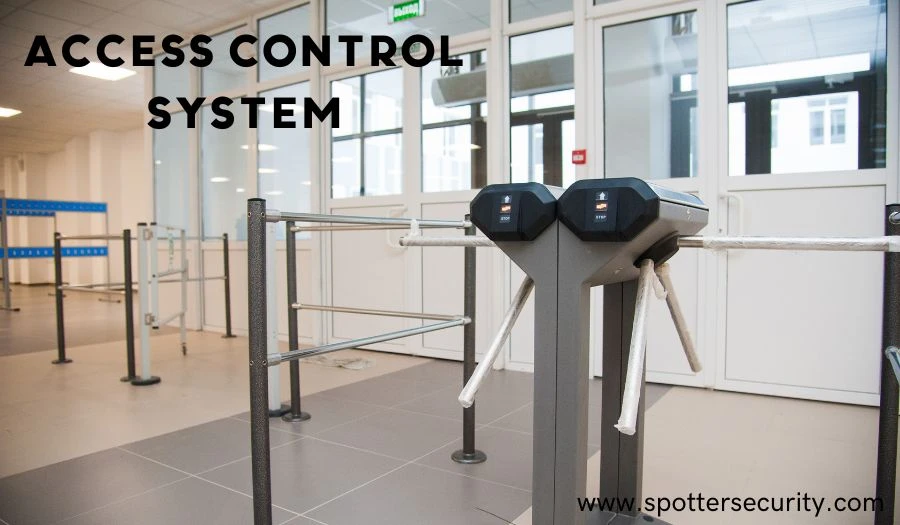
In today's fast-paced, technology-driven world, ensuring the security of your business premises has become more crucial than ever. The traditional lock-and-key systems, while still in use, are increasingly being supplemented or replaced by more sophisticated solutions known as access control systems. These systems are designed to regulate who can enter certain areas of your business premises, thereby protecting sensitive information, assets, and employees. But why should your business invest in an access control system? This comprehensive guide will delve into the various benefits, types, and considerations of implementing an access control system in your organization.
Enhancing Security and Reducing Risks
The primary reason businesses invest in access control systems is to enhance security. Traditional keys can be easily lost, stolen, or duplicated, posing a significant security risk. In contrast, access control systems use advanced technologies such as biometric scans, smart cards, and PIN codes, which are much harder to replicate or misuse. By implementing an access control system, you can significantly reduce the risk of unauthorized access and potential security breaches.
Moreover, access control systems provide detailed logs and reports on who enters and exits your premises and when. This data can be invaluable in the event of a security incident, as it allows you to track and identify unauthorized access attempts. It also serves as a deterrent to potential intruders, knowing that their actions are being monitored and recorded.
Streamlining Operations and Improving Efficiency
Beyond security, access control systems can also streamline your business operations and improve overall efficiency. For instance, employees no longer need to carry multiple keys for different areas, which can be cumbersome and time-consuming. Instead, a single access card or biometric credential can grant access to all authorized areas, simplifying the process and saving time.
Additionally, access control systems can be integrated with other business management systems, such as time and attendance tracking, to automate various administrative tasks. This integration can help reduce manual errors, improve accuracy, and free up valuable time for your HR and administrative staff to focus on more strategic initiatives.
Protecting Sensitive Information and Assets
In many industries, protecting sensitive information and assets is paramount. Whether it's confidential client data, proprietary research, or valuable equipment, unauthorized access can lead to significant financial and reputational damage. Access control systems enable you to restrict access to sensitive areas only to authorized personnel, ensuring that your critical information and assets are well-protected.
For example, in a financial institution, access control systems can be used to restrict access to areas where sensitive financial data is stored, such as server rooms and document archives. In a healthcare facility, these systems can help protect patient records and medical supplies. By implementing an access control system, you can ensure that only those with the necessary clearance can access sensitive areas, thereby mitigating the risk of data breaches and theft.
Ensuring Compliance with Regulations
Many industries are subject to stringent regulations regarding data protection and security. Failure to comply with these regulations can result in hefty fines, legal action, and reputational damage. Access control systems can help your business comply with these regulations by providing a secure and auditable way to manage access to sensitive areas.
For instance, the healthcare industry is governed by regulations such as the Health Insurance Portability and Accountability Act (HIPAA), which mandates the protection of patient information. Access control systems can help healthcare providers comply with HIPAA requirements by ensuring that only authorized personnel can access patient records. Similarly, businesses in the financial sector can use access control systems to comply with regulations such as the Payment Card Industry Data Security Standard (PCI DSS), which requires strict control over access to cardholder data.
Adapting to Changing Security Needs
As your business grows and evolves, so do your security needs. One of the key advantages of access control systems is their scalability and flexibility. Whether you're expanding your office space, opening new locations, or changing your organizational structure, access control systems can easily adapt to your changing needs.
Modern access control systems are often cloud-based, allowing you to manage access remotely and make real-time updates as needed. This flexibility ensures that your security measures can keep pace with your business growth and changing requirements. Additionally, many access control systems offer modular features, allowing you to customize the system to suit your specific needs and budget.
Enhancing Employee Safety and Peace of Mind
Ensuring the safety and well-being of your employees is a top priority for any business. Access control systems play a crucial role in creating a safe and secure work environment. By preventing unauthorized access and potential security threats, these systems help protect your employees from harm.
Moreover, access control systems can be integrated with emergency response systems, such as fire alarms and lockdown procedures. In the event of an emergency, the access control system can automatically unlock doors to facilitate safe evacuation or lockdown certain areas to contain threats. This integration enhances the overall safety and preparedness of your workplace, providing peace of mind for both employees and management.
Reducing Operational Costs
While the initial investment in an access control system may seem significant, it can lead to substantial cost savings in the long run. Traditional lock-and-key systems require regular maintenance, rekeying, and replacement of lost keys, which can be costly and time-consuming. Access control systems, on the other hand, are more durable and require less frequent maintenance.
Furthermore, the automation and efficiency improvements brought about by access control systems can lead to reduced administrative costs. For example, automated time and attendance tracking can eliminate the need for manual record-keeping and reduce payroll errors. By streamlining operations and enhancing security, access control systems can ultimately result in significant cost savings for your business.
Selecting the Right Access Control System
When it comes to selecting an access control system for your business, there are several factors to consider. The first step is to assess your security needs and identify the specific areas that require controlled access. This assessment will help you determine the type of access control system that best suits your requirements.
There are various types of access control systems available, including biometric systems, card-based systems, and keypad systems. Biometric systems, such as fingerprint and facial recognition, offer the highest level of security but may be more expensive. Card-based systems, which use smart cards or proximity cards, provide a good balance of security and convenience. Keypad systems, which require users to enter a PIN code, are cost-effective but may be less secure.
In addition to the type of system, you should also consider the scalability and integration capabilities of the access control system. Ensure that the system can grow with your business and integrate with other existing systems, such as CCTV and alarm systems. This integration will provide a comprehensive security solution and enhance the overall effectiveness of your access control measures.
Implementing and Maintaining Your Access Control System
Once you have selected the right access control system for your business, the next step is implementation. It's essential to work with a reputable vendor who can provide professional installation and support services. Proper installation ensures that the system functions correctly and delivers the desired level of security.
After installation, regular maintenance is crucial to keep your access control system in optimal condition. This maintenance includes updating software, checking hardware components, and conducting periodic security audits. Regular maintenance not only ensures the system's reliability but also helps identify and address potential vulnerabilities before they can be exploited.
Conclusion
In conclusion, investing in an access control system is a strategic decision that can significantly enhance the security, efficiency, and compliance of your business. By protecting sensitive information and assets, ensuring regulatory compliance, and adapting to changing security needs, access control systems provide a robust and flexible solution for modern businesses.
Furthermore, the integration of access control systems with other security and management systems can streamline operations, reduce costs, and enhance employee safety. As technology continues to evolve, access control systems will play an increasingly vital role in safeguarding business premises and ensuring operational efficiency.
One noteworthy example of advanced access control solutions is Symantec Network Access Control. This system offers comprehensive security features and integration capabilities, making it an excellent choice for businesses seeking to enhance their access control measures.
In a world where security threats are constantly evolving, investing in an access control system is not just a necessity but a prudent business decision. By taking proactive measures to secure your premises, you can safeguard your assets, protect your employees, and ensure the long-term success of your business.










Sign in to leave a comment.