
In the modern world, security is a paramount concern for individuals, businesses, and institutions. The advancement of technology has given rise to sophisticated access control systems that play a crucial role in safeguarding premises, data, and valuable assets.
Access control systems are designed to restrict unauthorized entry and provide secure access to authorized individuals. This article delves into the various types of access control systems used in security, highlighting their features, benefits, and applications.
Introduction to Access Control Systems
Access control systems are integral components of comprehensive security strategies. They are utilized in various settings, including residential buildings, commercial establishments, industrial sites, and governmental facilities.
The primary objective of these systems is to manage and monitor who can enter or exit a premise, ensuring that only authorized personnel have access to sensitive areas.
Basic Types of Access Control Systems
Access control systems can be broadly categorized into three basic types: discretionary access control (DAC), mandatory access control (MAC), and role-based access control (RBAC). Each type offers different levels of security and is suited for specific applications.
Discretionary Access Control (DAC)
Discretionary Access Control (DAC) is one of the most flexible access control models. In this system, the owner of the protected system or resource sets the policies defining who can access specific resources.
The primary advantage of DAC is its ease of implementation and management. However, it can be less secure compared to other models because it allows users to pass on their access permissions to other users, which might lead to unauthorized access.
Mandatory Access Control (MAC)
Mandatory Access Control (MAC) is a more stringent access control model. It is typically used in environments that require high security, such as military and government institutions. In MAC, access policies are determined by a central authority and are strictly enforced.
Users cannot change these policies, and access rights are based on the classification of data and the clearance of users. This model ensures a higher level of security but is less flexible and harder to manage.
Role-Based Access Control (RBAC)
Role-Based Access Control (RBAC) is widely used in commercial and industrial settings. In RBAC, access rights are assigned based on the roles within an organization. Each role has specific permissions, and users are assigned roles according to their job functions.
This model simplifies the management of access rights, particularly in large organizations, and enhances security by ensuring that users only have access to the information and resources necessary for their roles.
Advanced Access Control Systems
With the evolution of technology, access control systems have become more sophisticated, incorporating advanced features and capabilities.
Some of the most advanced access control systems include biometric systems, card-based systems, and mobile-based systems.
Biometric Access Control Systems
Biometric access control systems use unique biological traits to verify the identity of individuals. Common biometric identifiers include fingerprints, facial recognition, iris scans, and voice recognition.
These systems offer a high level of security because biometric traits are difficult to replicate or forge. Biometric access control is widely used in high-security areas such as data centers, laboratories, and secure government facilities.
HID Key Fob is a keyword used in some access control systems. This key fob is a convenient and secure way to provide access without the need for physical keys.
Card-Based Access Control Systems
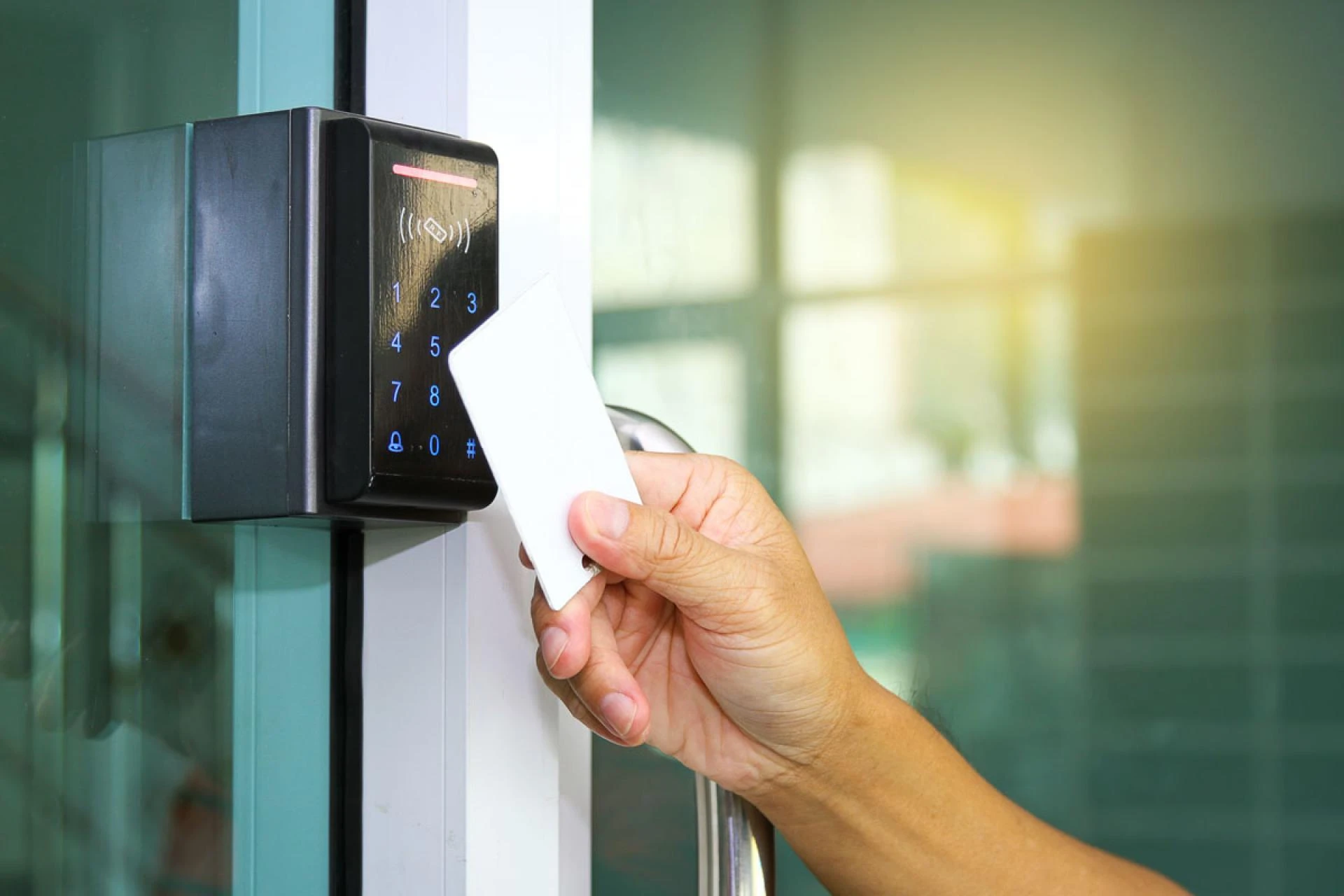
Card-based access control systems are one of the most common and widely used types of access control. These systems use cards embedded with a magnetic stripe or RFID chip to grant access to authorized users.
Users swipe or tap their card on a reader to gain entry. This system is popular in office buildings, hotels, and educational institutions due to its ease of use and cost-effectiveness.
Mobile-Based Access Control Systems
With the proliferation of smartphones, mobile-based access control systems have gained popularity. These systems use mobile devices as credentials, allowing users to access secure areas via Bluetooth, NFC, or QR codes.
Mobile-based systems are convenient and offer a high level of security, as mobile devices often have additional security features like biometric authentication and encryption.
Network-Based Access Control Systems
Network-based access control systems integrate with an organization's IT infrastructure to provide centralized management and monitoring of access points. These systems can be connected to other security systems such as video surveillance and alarm systems, creating a comprehensive security solution.
Network-based systems offer real-time monitoring, remote access management, and detailed audit trails, making them ideal for large enterprises and multi-site operations.
Cloud-Based Access Control Systems
Cloud-based access control systems leverage cloud technology to manage access control remotely. These systems offer several advantages, including scalability, flexibility, and reduced infrastructure costs.
Cloud-based systems can be easily updated and managed from anywhere with an internet connection, making them suitable for businesses with multiple locations or remote management needs.
Smart Lock Systems
Smart lock systems are a modern and convenient type of access control used primarily in residential settings. These locks can be controlled via smartphones, voice commands, or even biometrics.
Smart locks offer the convenience of keyless entry and the ability to monitor and control access remotely. They are an excellent option for homeowners seeking enhanced security and convenience.
Access Control System Integration
Integration with other security systems enhances the effectiveness of access control systems. For example, integrating access control with video surveillance allows security personnel to verify the identity of individuals accessing secure areas visually.
Similarly, integration with alarm systems can trigger alerts in case of unauthorized access attempts, providing a more robust security solution.
Choosing the Right Access Control System
Selecting the appropriate access control system depends on various factors, including the security requirements, budget, and specific application needs. It is crucial to assess the level of security required, the size and layout of the premises, and the number of users who will need access.
Consulting with security professionals can help in making an informed decision and ensuring that the chosen system meets the desired security objectives.
Future Trends in Access Control Systems
The future of access control systems lies in the continued integration of advanced technologies such as artificial intelligence (AI), machine learning, and the Internet of Things (IoT). AI can enhance access control by enabling systems to learn and adapt to user behaviors, identifying anomalies, and predicting potential security threats.
IoT devices can provide more granular control and monitoring of access points, while machine learning algorithms can improve the accuracy and efficiency of biometric systems.
Conclusion
Access control systems are vital components of modern security strategies, providing a reliable means to protect premises, data, and assets. From basic models like DAC, MAC, and RBAC to advanced systems incorporating biometrics, mobile technology, and cloud integration, the variety of access control systems available today caters to a wide range of security needs.
By understanding the different types of access control systems and their applications, organizations and individuals can make informed decisions to enhance their security infrastructure effectively. Whether it's using a HID Key Fob for secure entry or implementing a comprehensive network-based system, the right access control solution is essential for maintaining a safe and secure environment.










Sign in to leave a comment.