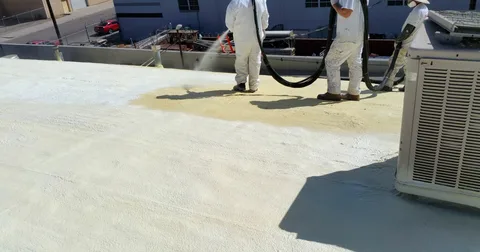
Spray foam roofing offers a superior defense against the specific weather challenges of the Pacific Northwest by creating a continuous, monolithic barrier that prevents water intrusion and minimizes thermal transfer. Unlike traditional roofing systems that rely on seams and fasteners, spray polyurethane foam (SPF) expands to form a single, solid layer across the entire roof deck. This self-flashing application eliminates the weak points where leaks typically originate, making it uniquely suited for the frequent rainfall and variable temperatures experienced in Shoreline.
The effectiveness of this roofing system lies in its dual function as both a waterproofing membrane and a high-performance insulator. For property owners in the Seattle region, this means a single investment addresses both moisture management and energy efficiency. The material conforms to irregular surfaces and bonds directly to the substrate, providing exceptional wind resistance during storms while reflecting UV rays during the increasingly warm summer months.
Mastering Moisture Management
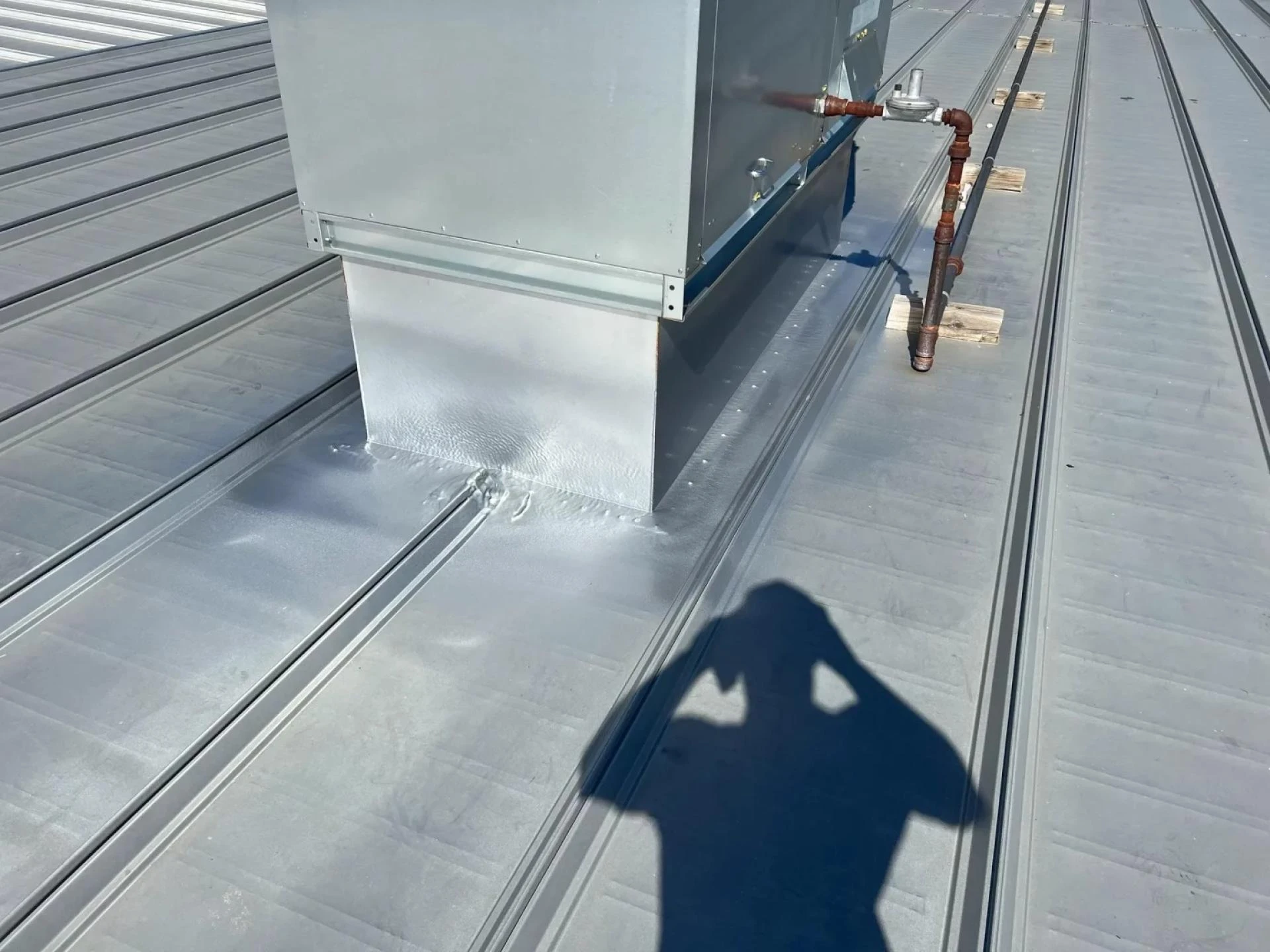
Rainfall in Shoreline is persistent, often lasting for days or even weeks. Traditional built-up roofs or single-ply membranes have seams that separate over time due to thermal expansion and contraction, creating pathways for water to enter. SPF roofing solves this problem because it has no seams. It is applied as a liquid that expands and hardens into a closed-cell foam, forming a waterproof seal around vents, skylights, and HVAC units without the need for metal flashing or caulking.

Eliminating Seams and Joints
The primary failure point of most flat roofs is the seam. Water pools on flat surfaces, and if the seam adhesive fails, it can find its way into the building structure. Because SPF is sprayed in a continuous motion, it creates a seamless surface that effectively hydro-seals the building.
- Self-Flashing: The foam sprays up parapet walls and around penetrations, integrating them into the roof system.
- Ponding Water Resistance: High-density foam resists water penetration even if water ponds for short periods (though proper drainage is always recommended).
- Closed-Cell Structure: The cellular structure blocks water migration even if the top coating is scratched.
Protecting the Substrate
Water intrusion leads to dry rot in wood decks and rust in metal decks. By completely sealing the surface, SPF protects the building's structural integrity. This preservation is vital for commercial buildings in Shoreline that face months of damp conditions.
Bonus Tip: Drainage Improvements
During the application process, technicians can spray thicker layers of foam in specific areas to build up low spots and improve the roof slope. This active correction eliminates standing water issues that plague flat roofs in rainy climates.
Thermal Regulation Across Seasons
While rain is the obvious concern, temperature fluctuations can cause significant stress on roofing materials. Shoreline experiences freezing nights in winter and increasingly hot days in summer. These shifts cause materials to expand and contract. SPF remains flexible and stable, absorbing these thermal movements without cracking. Furthermore, its high insulating value keeps the interior temperature stable, reducing the load on heating and cooling systems.
The Cool Roof Advantage
Most SPF roofs are finished with a reflective elastomeric coating, typically white or light gray. This coating reflects UV radiation away from the building, keeping the roof surface significantly cooler than a dark tar or rubber roof.
- Summer Savings: Reduces cooling costs by reflecting solar heat.
- UV Protection: The coating acts as a sunscreen for the foam, preventing UV degradation.
- Urban Heat Island Reduction: Contributes to lower ambient temperatures in dense commercial areas.

Durability Against Wind and Debris
Storms in the Puget Sound area often bring high winds that can tear off traditional roofing sheets. SPF has excellent wind uplift resistance because it is continuously adhered to the deck. There are no fasteners to pull out and no sheets to catch the wind. The bond strength often exceeds the substrate's strength, meaning the roof deck would likely fail before the foam delaminates.
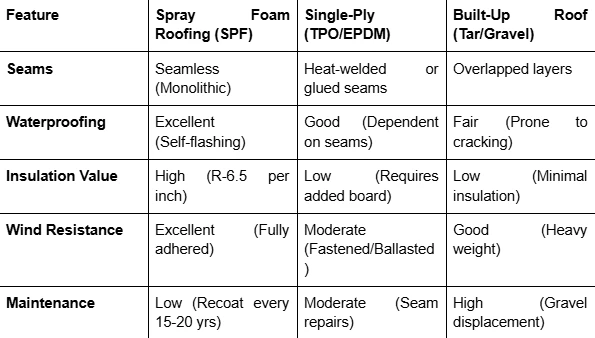
Comparing Roofing Systems
Understanding how SPF compares to other common flat roof materials highlights its suitability for the Shoreline climate.
Things to Consider Before Making a Decision
While SPF is highly effective, it requires precise application conditions. The surface must be clean and dry, and the weather must be relatively warm and calm during installation. In Shoreline, this limits the installation window primarily to spring and summer. Property owners should plan roof replacements accordingly rather than waiting for an emergency leak in the middle of winter.
Maintenance Requirements
An SPF roof requires periodic inspection to ensure the protective silicone or acrylic coating remains intact. Every 15 to 20 years, the roof needs to be cleaned and recoated. If this maintenance is performed, the foam itself can last indefinitely, making it a sustainable, renewable roofing option.
Questions People Ask About Spray Foam Roofing
Can you spray foam over an existing roof? Yes, in many cases, SPF can be applied directly over existing built-up roofs, modified bitumen, or metal roofs. This saves the cost and landfill waste associated with tearing off the old roof, provided the underlying structure is sound and dry.
How does spray foam handle foot traffic? High-density roofing foam is strong enough to support regular foot traffic for HVAC unit maintenance. For areas with heavy traffic, technicians can install designated walkways with extra coating and granules for added durability and slip resistance.
Is spray foam roofing expensive? The initial cost is competitive with other commercial roofing systems. However, when factoring in energy savings and the elimination of tear-off expenses, it often results in a lower lifecycle cost than membrane roofs.
What happens if the foam gets damaged? Repairs are inexpensive and straightforward. A technician cuts out the injured area, dries it, and applies sealant or more foam. Because the foam prevents water from traveling laterally, leaks are localized and easy to find.
Do birds or wildlife damage the foam? While rare, birds can peck at the foam. The hard protective coating and granules usually deter this behavior. Regular inspections help identify and repair any minor mechanical damage caused by wildlife or debris.
Final Thoughts
Spray foam roofing provides a logical solution for the demanding climate of the Pacific Northwest. It addresses the three main threats to building longevity: water, wind, and thermal stress. By eliminating seams and adding significant insulation, it transforms the roof from a simple shelter into an active energy-saving asset. For property owners in Shoreline, adopting this technology means fewer leaks, lower energy bills, and a roof that withstands the elements for decades.
Securing Expert Roofing Services
For commercial and residential property owners in Shoreline and the greater Seattle area, Cascadia Spray Foam Insulation of Seattle offers specialized roofing applications designed for the local environment. Their team assesses the condition of existing roof structures to determine if a foam overlay is a viable option. They focus on delivering waterproof, energy-efficient roofing solutions that reduce long-term operating costs.
Readers interested in evaluating their roof's condition or exploring spray foam options can contact the company for a professional consultation.
Phone: (425) 386-3500 Email: [email protected]
Reviewer: Olivia Thompson has spent 10 years working in spray foam insulation, helping companies grow their visibility. She reviewed this article and provided valuable suggestions to better align the content with customers' needs and expectations, ensuring it resonates with the target audience.










Sign in to leave a comment.