Introduction
If you are passionate about baseball or softball, you might have considered investing in an indoor batting cage. Whether you are a coach, a facility owner, or someone looking to start a business, the idea of owning indoor batting cages can be quite appealing. But is it really a good investment? The answer depends on several factors, including cost, demand, maintenance, and profitability. In this article, we will take a deep dive into everything you need to know about indoor batting cages, helping you make an informed decision.
Understanding Indoor Batting Cages
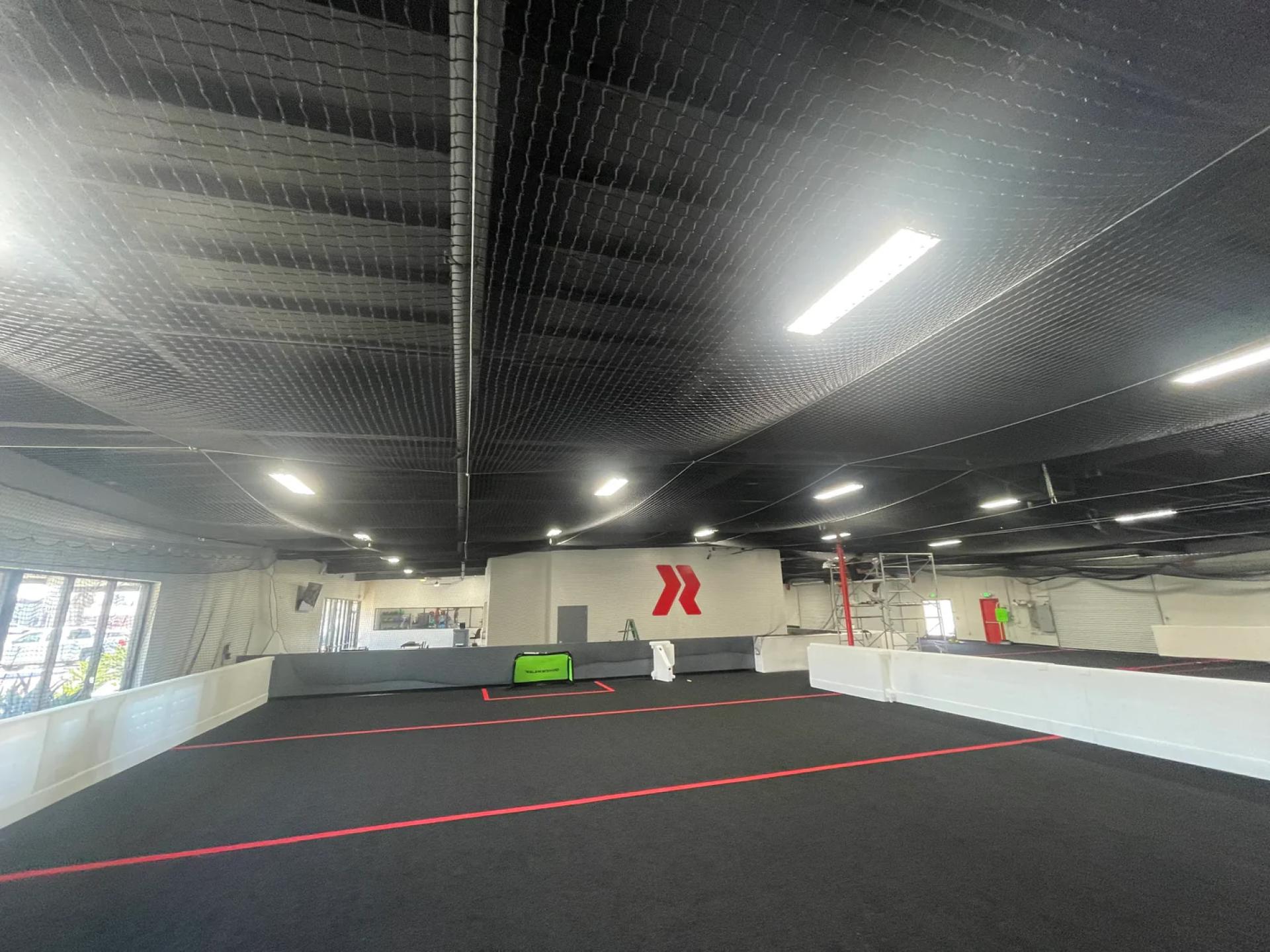
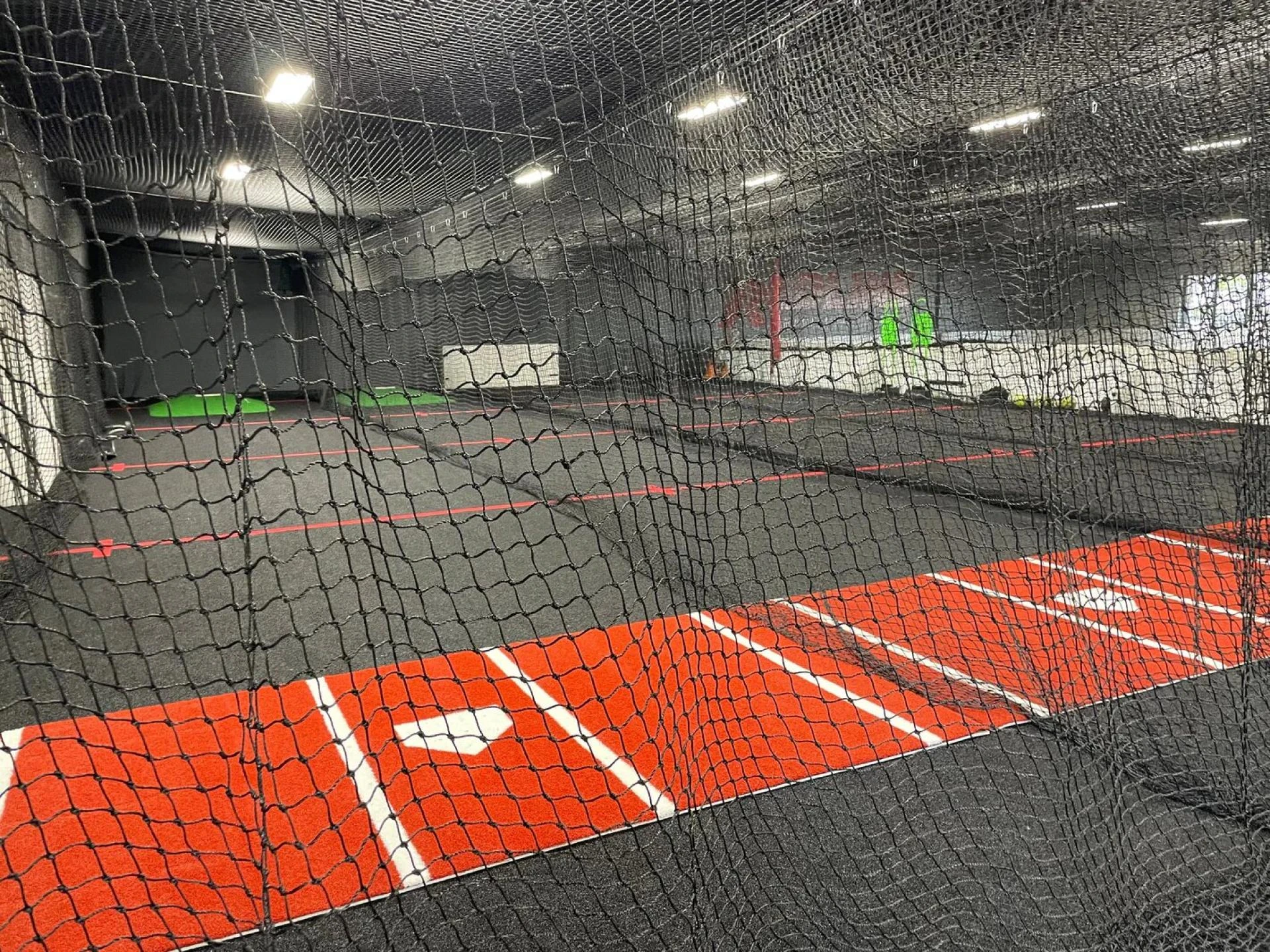
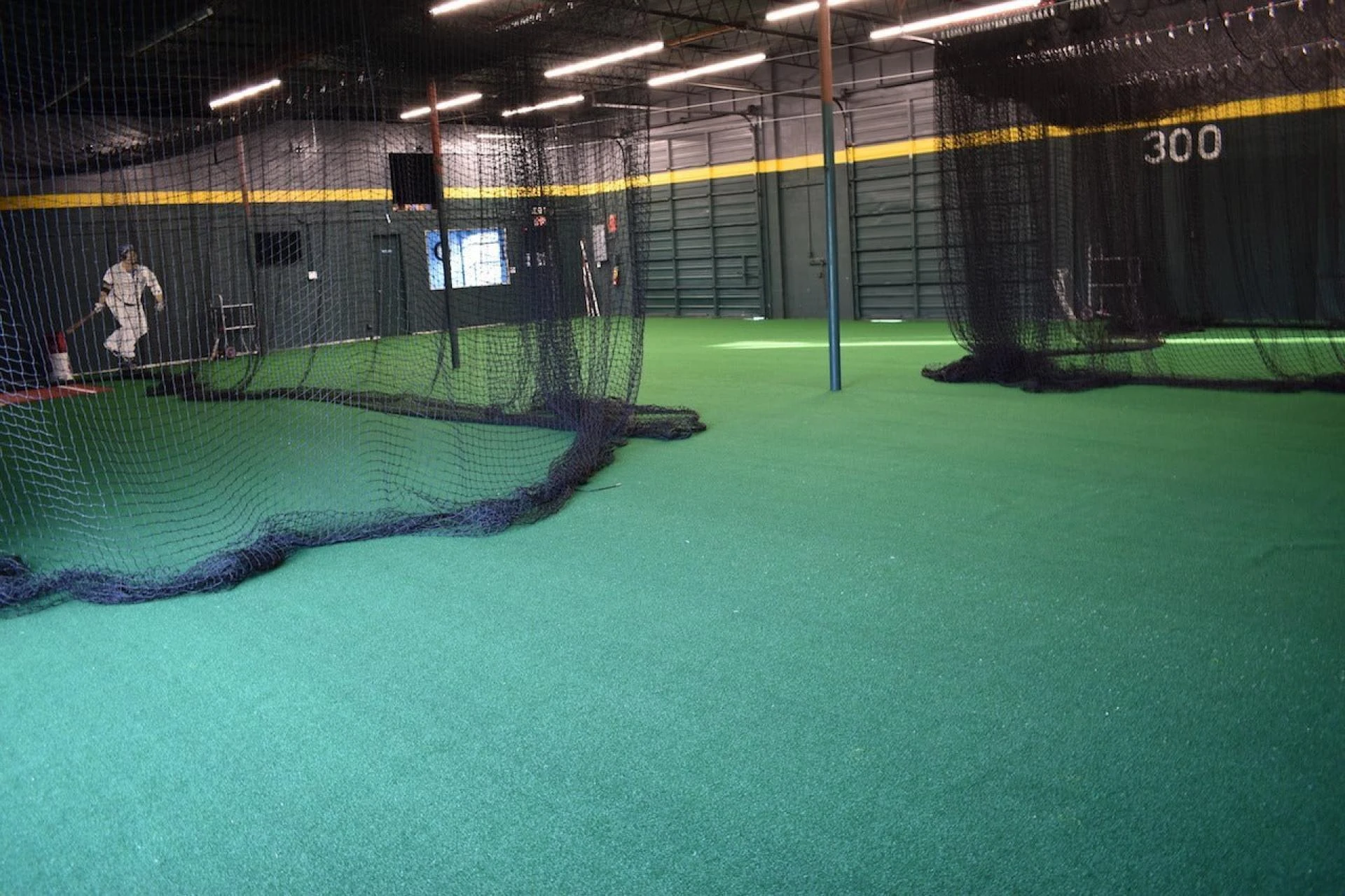
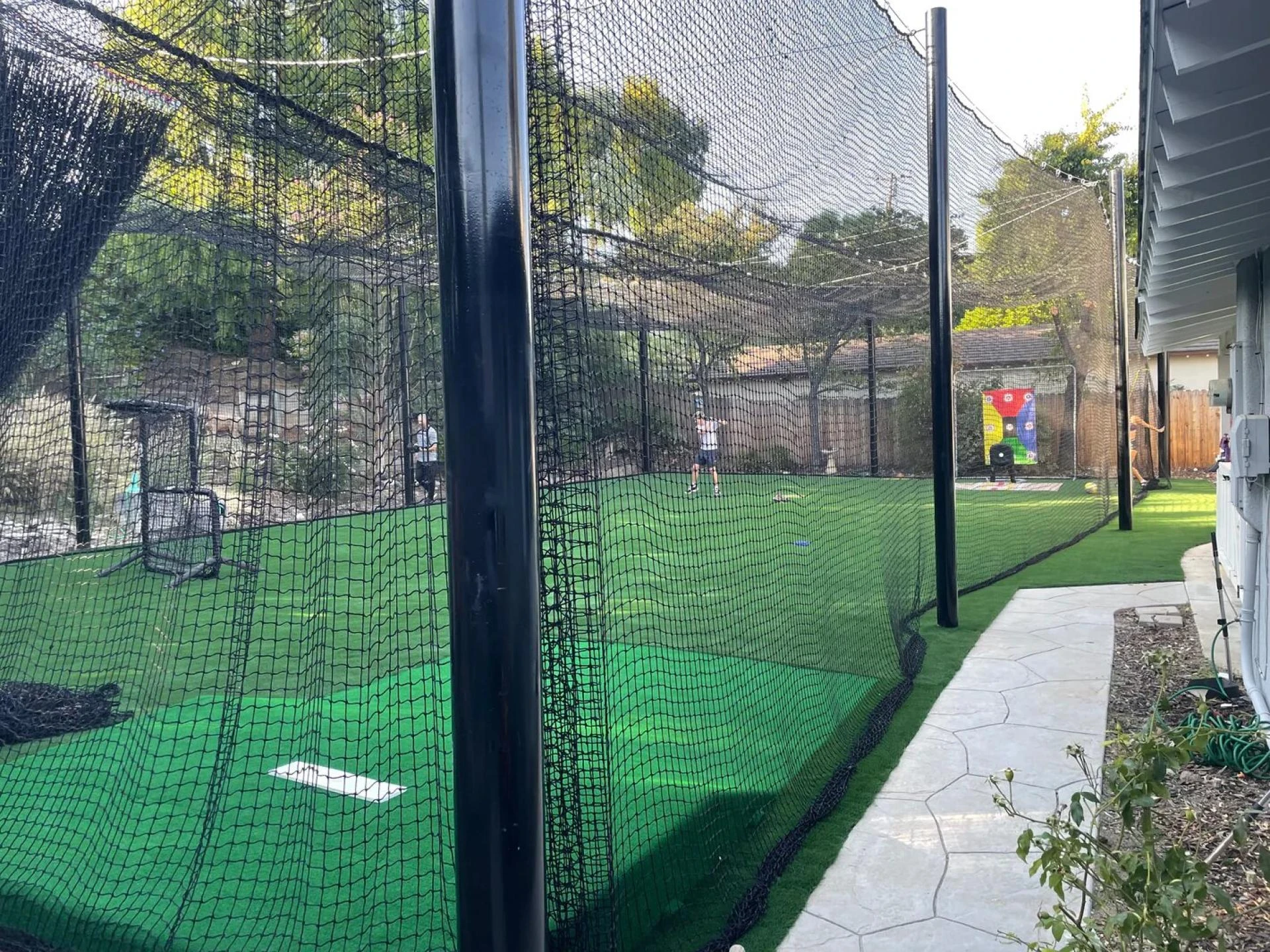
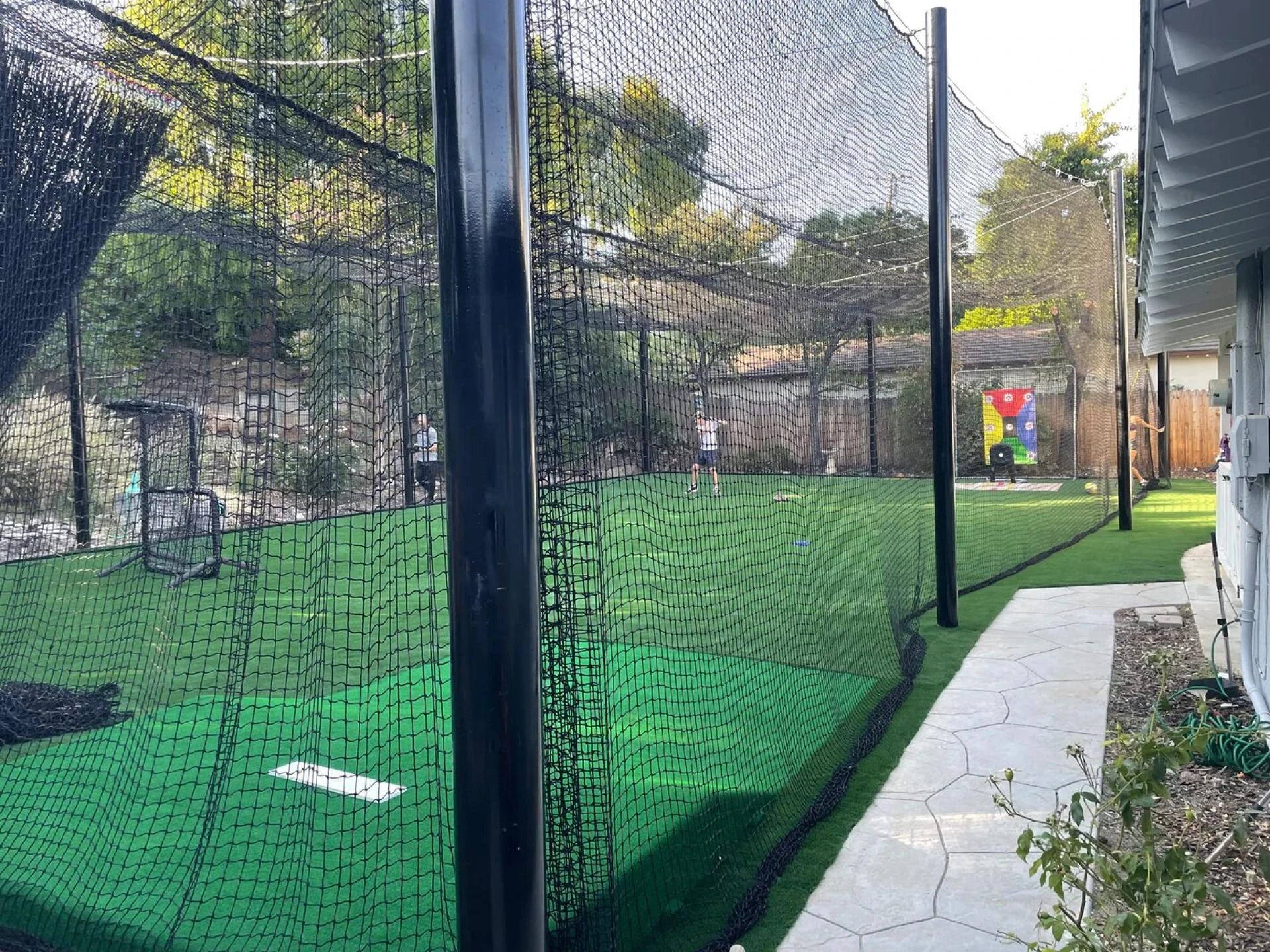
Indoor batting cages are enclosed training areas designed for baseball and softball players to practice their swings regardless of the weather. Unlike outdoor cages, they are housed within a building, making them accessible year-round. These cages often include netting, pitching machines, turf flooring, and other essential equipment that help players refine their hitting techniques.
The Rising Demand for Indoor Batting Cages
Over the past few years, baseball and softball have continued to grow in popularity. With more players, both amateur and professional, looking for reliable practice facilities, indoor batting cages have become increasingly popular. Schools, colleges, and sports training academies often look for dedicated indoor spaces where athletes can train regardless of the weather. Additionally, families and individuals who want to improve their batting skills prefer indoor setups because they provide a controlled and consistent training environment.
Costs Involved in Setting Up an Indoor Batting Cage
The investment required to build an indoor batting cage depends on multiple factors such as location, size, materials, and additional amenities. Here’s a breakdown of the key costs:
1. Facility and Space Requirements
Finding the right space is one of the most significant factors. Some investors choose to rent or lease a commercial space, while others prefer building their own facility. The cost varies depending on the city and demand in the area. A large warehouse or a repurposed sports complex can be an ideal option.
2. Equipment and Installation
Setting up an indoor batting cage requires essential equipment such as:
- Netting and frame structures
- Pitching machines
- Artificial turf flooring
- Lighting and ventilation
- Protective gear and screens
- Seating and waiting areas
The cost of netting alone can range from a few hundred to several thousand dollars, depending on the quality and size. Pitching machines, which are crucial for training, can also add significantly to the overall cost.
3. Maintenance and Operational Costs
Once your facility is up and running, ongoing expenses include electricity, staff salaries, insurance, and regular maintenance of equipment. Proper upkeep is necessary to ensure safety and longevity of the batting cage setup.
Revenue Potential: How Profitable Are Indoor Batting Cages?
The profitability of an indoor batting cage largely depends on how well it is managed. Here are some revenue streams to consider:
1. Membership Plans and Hourly Rentals
One of the most common business models is offering membership plans where individuals or teams pay a monthly or yearly fee for unlimited access. Alternatively, renting the space per hour can be a great way to maximize revenue.
2. Private Coaching and Training Sessions
Hiring experienced coaches to offer private or group training sessions can bring in significant income. Many parents are willing to pay for professional training to help their children improve their game.
3. Leasing Space to Teams and Schools
Local baseball and softball teams, as well as schools, often look for training facilities. Renting your space to teams for practice sessions can be a reliable source of income.
4. Hosting Tournaments and Events
Organizing small-scale tournaments, batting competitions, or baseball workshops can attract more visitors and generate additional revenue.
Challenges and Risks to Consider
While indoor batting cages can be profitable, there are challenges that potential investors should be aware of:
- Initial Investment Costs: Setting up a high-quality facility requires a substantial upfront investment.
- Marketing and Customer Acquisition: Attracting players and teams requires consistent marketing efforts.
- Competition: If there are other training facilities in the area, it may be challenging to stand out.
- Seasonal Variations: While indoor facilities are accessible year-round, peak demand often aligns with baseball and softball seasons.
Conclusion: Are Indoor Batting Cages Worth the Investment?
Indoor batting cages can be a great investment if planned and managed correctly. They cater to a growing market of baseball and softball enthusiasts, offering a reliable and convenient training solution. However, success depends on location, quality of facilities, effective marketing, and customer engagement. If you have the resources and a solid business plan, indoor batting cages can be a profitable venture that benefits both athletes and business owners alike.
Frequently Asked Questions (FAQs)
1. How much does it cost to set up an indoor batting cage?
The cost varies depending on size, equipment, and location. On average, a professional setup can range from $10,000 to $50,000 or more.
2. Can indoor batting cages be used for other sports?
Yes, many indoor batting cages can be repurposed for softball, cricket, and other training activities, maximizing facility usage.
3. What is the best way to attract customers to an indoor batting cage business?
Effective marketing strategies include social media promotion, partnerships with local schools and teams, offering free trials, and providing quality coaching services.
4. Are indoor batting cages profitable year-round?
Yes, they provide a controlled environment for training, making them operational in all seasons. However, peak demand often aligns with baseball and softball seasons.










Sign in to leave a comment.