
Introduction
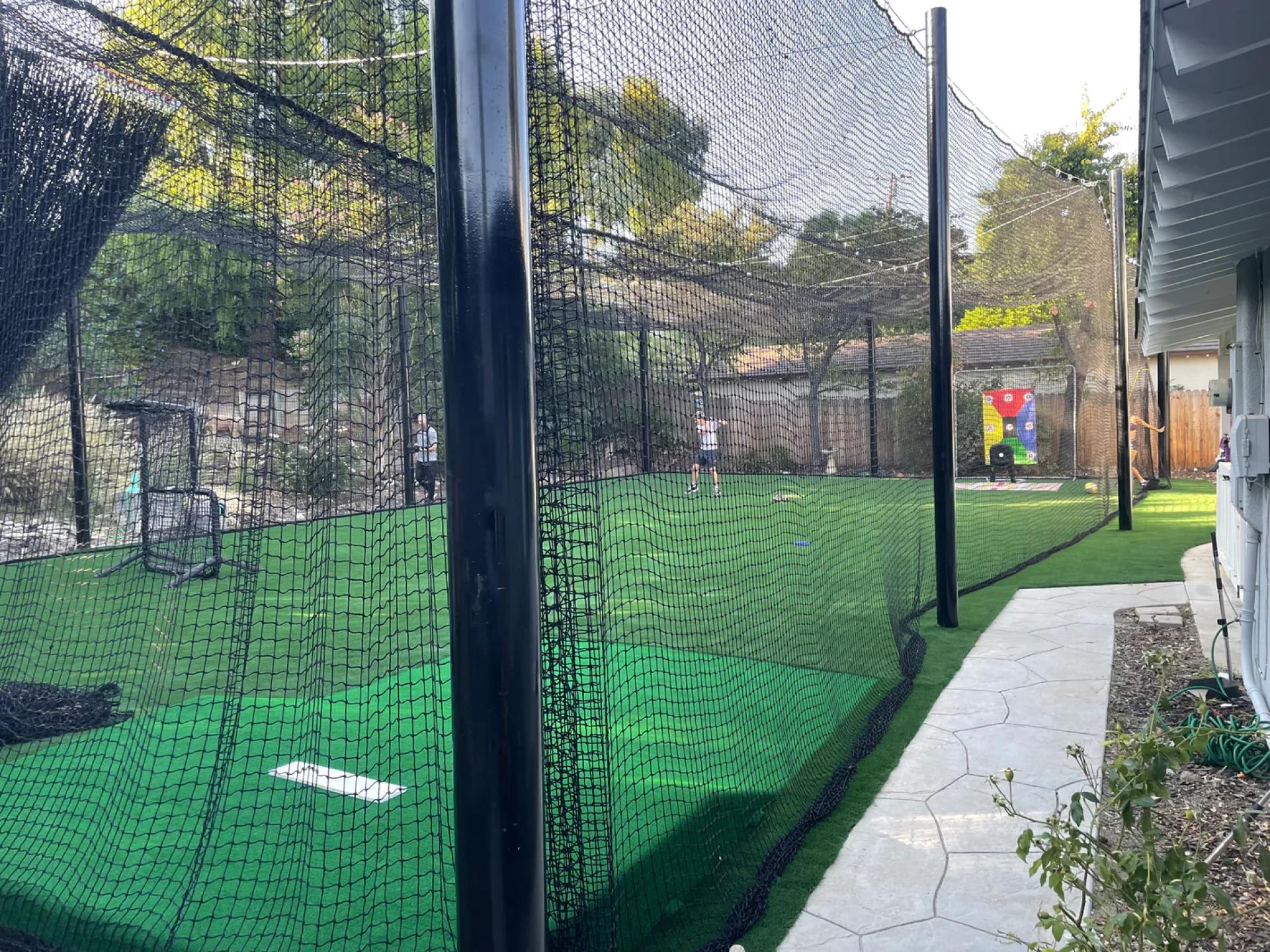
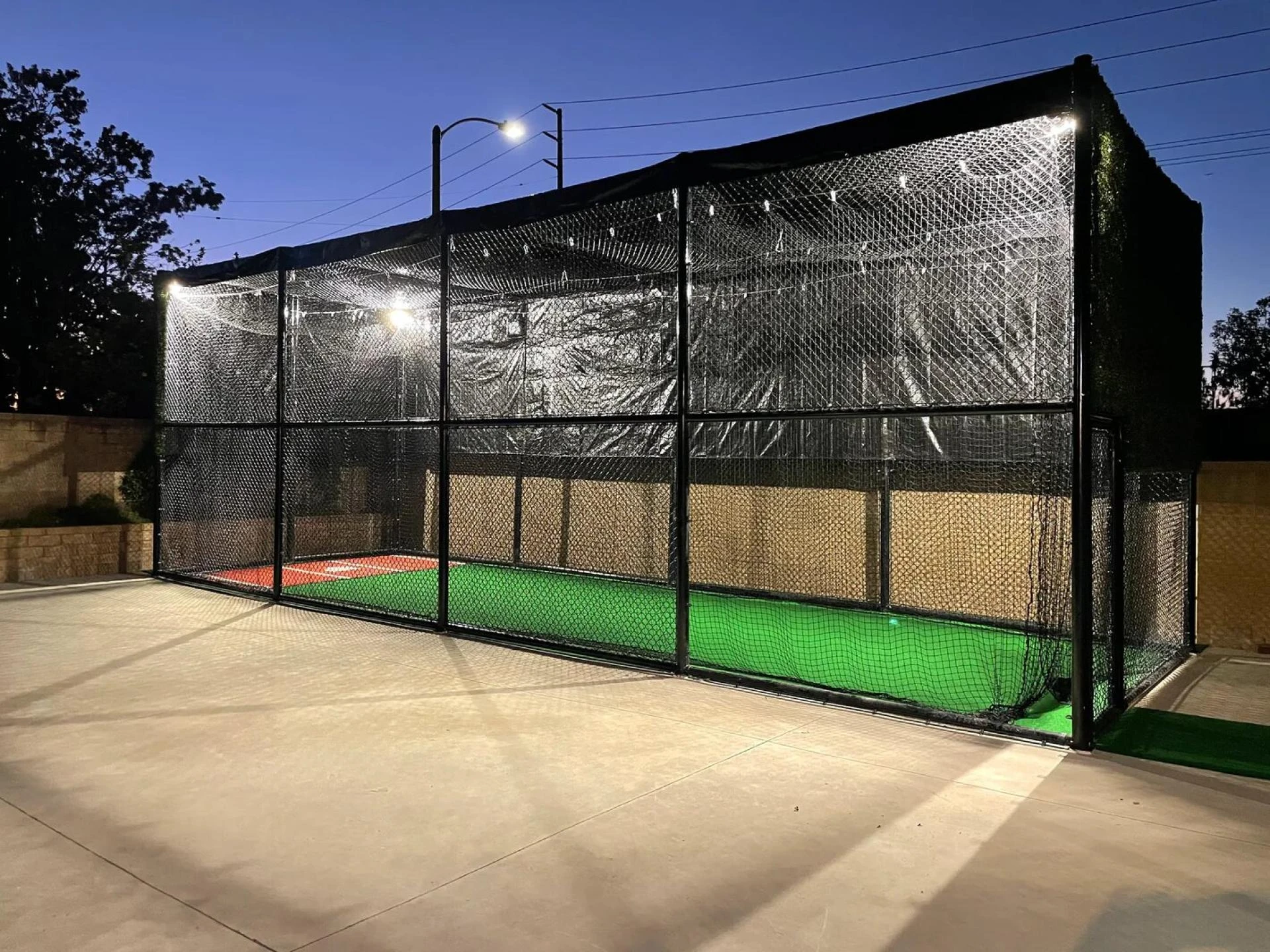
Imagine a baseball team trying to perfect their swings, improve their hand-eye coordination, and build consistency—all while struggling to find the right place to train. Many teams face the challenge of not having access to a controlled, dedicated space for batting practice. This is where outdoor batting cages come in as a game-changer. These structures provide baseball teams with a specialized training area that allows them to focus solely on their batting technique without external distractions. Whether for youth leagues, high school teams, or professional players, outdoor batting cages have become an essential part of skill development.
Baseball requires discipline, practice, and precision. A controlled environment where players can work on their swings without worrying about retrieving balls or external distractions can make a significant difference in their performance. This article explores why outdoor batting cages are indispensable for baseball teams, how they enhance training, their role in injury prevention, and how teams can maximize their effectiveness.
The Importance of Outdoor Batting Cages for Baseball Teams
One of the biggest advantages of outdoor batting cages is that they provide a designated space for uninterrupted batting practice. Unlike open fields, where tracking and retrieving balls can take up valuable training time, these cages keep the ball contained, allowing players to focus on refining their skills.
For baseball teams, structured and repetitive practice is crucial. Without a dedicated space, training sessions can become inefficient. Coaches and players need an environment that ensures they get the most out of each session. Outdoor batting cages offer just that. They allow for:
- Controlled training sessions
- Protection from external distractions
- Reduced risk of lost balls
- Increased efficiency in practice drills
How Outdoor Batting Cages Improve Batting Performance
1. Consistency in Swing Mechanics
Hitting a baseball is one of the most challenging skills in sports. A fraction of a second determines whether a batter connects with the ball or misses it. Outdoor batting cages allow players to repeat their swings over and over in a controlled environment, helping them develop muscle memory and refine their technique. With consistent practice, batters learn to:
- Improve their timing
- Develop better hand-eye coordination
- Adjust to different types of pitches
2. Increased Repetitions
One of the key aspects of becoming a better hitter is getting more repetitions. On an open field, players often spend a significant amount of time chasing balls. In contrast, an outdoor batting cage keeps the ball contained, enabling players to take more swings in a shorter amount of time. More repetitions mean:
- Faster skill development
- Improved reaction time
- Better control over different types of pitches
3. Controlled Training Environment
Weather conditions, wind, and distractions on an open field can make it difficult for players to focus on their swings. Outdoor batting cages create a controlled environment where players can practice without worrying about external factors. With protective netting, players can train without the fear of balls straying too far, ensuring a safer and more efficient practice session.
The Role of Outdoor Batting Cages in Injury Prevention
Injuries are common in baseball, but proper training can significantly reduce the risk. Outdoor batting cages play a crucial role in ensuring players can train safely without putting undue strain on their bodies.
1. Reducing Overuse Injuries
Overuse injuries occur when players train excessively without proper structure. A well-structured batting cage session allows for controlled and monitored practice, reducing the risk of muscle strain and fatigue.
2. Enhancing Proper Batting Stance and Posture
Many injuries happen due to poor batting mechanics. In a confined space, coaches can provide real-time feedback to ensure players maintain the right stance, grip, and posture. This helps in preventing long-term injuries related to improper technique.
3. Providing a Safe Training Environment
Unlike open fields, where stray balls pose a risk to other players, outdoor batting cages keep the ball contained within a netted structure. This minimizes accidental injuries, especially when multiple players are practicing in the same area.
How to Maximize the Benefits of Outdoor Batting Cages
1. Invest in Quality Equipment
The quality of the batting cage, netting, and frame plays a vital role in its effectiveness. A durable structure ensures safety and longevity. Coaches and teams should prioritize cages made of high-quality materials that can withstand various weather conditions.
2. Use Technology to Enhance Training
Modern training tools like pitching machines and video analysis can significantly enhance batting practice. Incorporating these technologies within an outdoor batting cage setup allows players to simulate real-game scenarios and adjust their swings accordingly.
3. Create a Structured Practice Routine
For optimal results, teams should have a structured practice plan when using batting cages. Setting specific goals for each session—such as focusing on different types of pitches, improving swing speed, or working on foot positioning—ensures steady progress.
Conclusion
For baseball teams aiming to improve their batting performance, outdoor batting cages are a game-changer. They provide a controlled environment where players can focus on refining their skills without distractions. From improving swing mechanics and increasing repetitions to preventing injuries and enhancing training efficiency, these cages are an essential tool for serious baseball players.
With the right approach, investment in quality equipment, and structured training, outdoor batting cages can take a team's performance to the next level. Whether for individual players or entire teams, incorporating a dedicated batting practice space into training routines can make all the difference in achieving success on the field.
FAQs
1. What size outdoor batting cage is best for a baseball team?
Most teams opt for cages ranging from 55 to 70 feet in length, with a width of 12 to 14 feet. The right size depends on the available space and the level of training required.
2. Can outdoor batting cages withstand extreme weather conditions?
High-quality batting cages are designed to endure harsh weather, but proper maintenance—such as securing the netting and using durable materials—is essential for longevity.
3. Are outdoor batting cages suitable for both baseball and softball teams?
Yes, outdoor batting cages are versatile and can be used for both baseball and softball training. The key is to adjust the pitching machine and equipment to suit the specific sport.
4. How often should a baseball team practice in a batting cage?
Teams should aim for at least 3-4 sessions per week, incorporating different drills to improve various aspects of batting performance.












Sign in to leave a comment.