Introduction
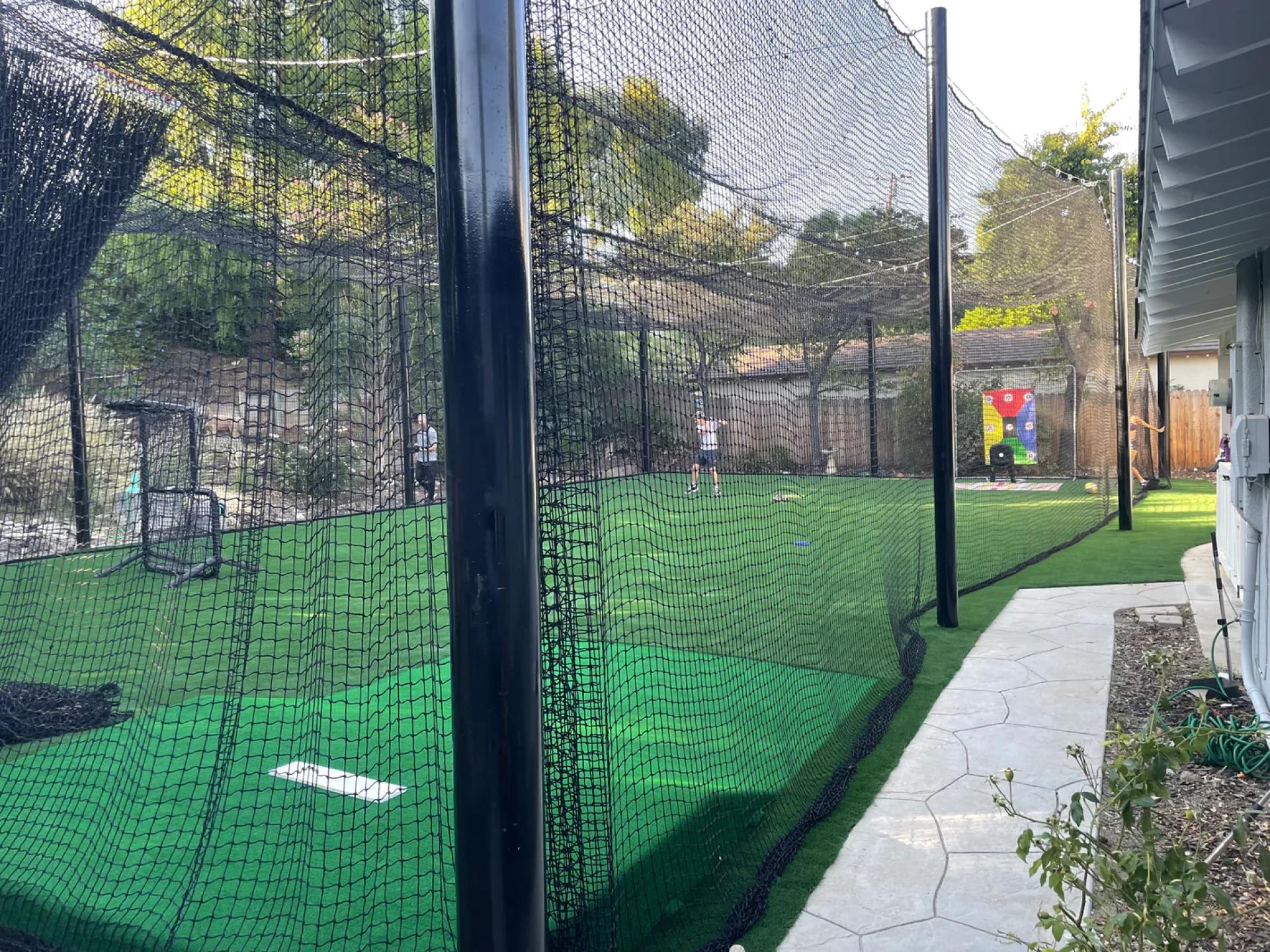
If you’re setting up a batting cage, whether at home or in a professional training facility, one of the most important decisions you’ll face is choosing the right turf. Many people assume that any artificial grass or turf will do the job, but that’s not entirely true. Using the wrong type of turf can impact safety, durability, and even the effectiveness of your training sessions. This guide will walk you through everything you need to know about selecting the best batting cage turf for your needs.
For those looking for high-quality, durable, and professional-grade turf, check out this baseball turf, specifically designed for batting cages.
Understanding Batting Cage Turf
What Is Batting Cage Turf?
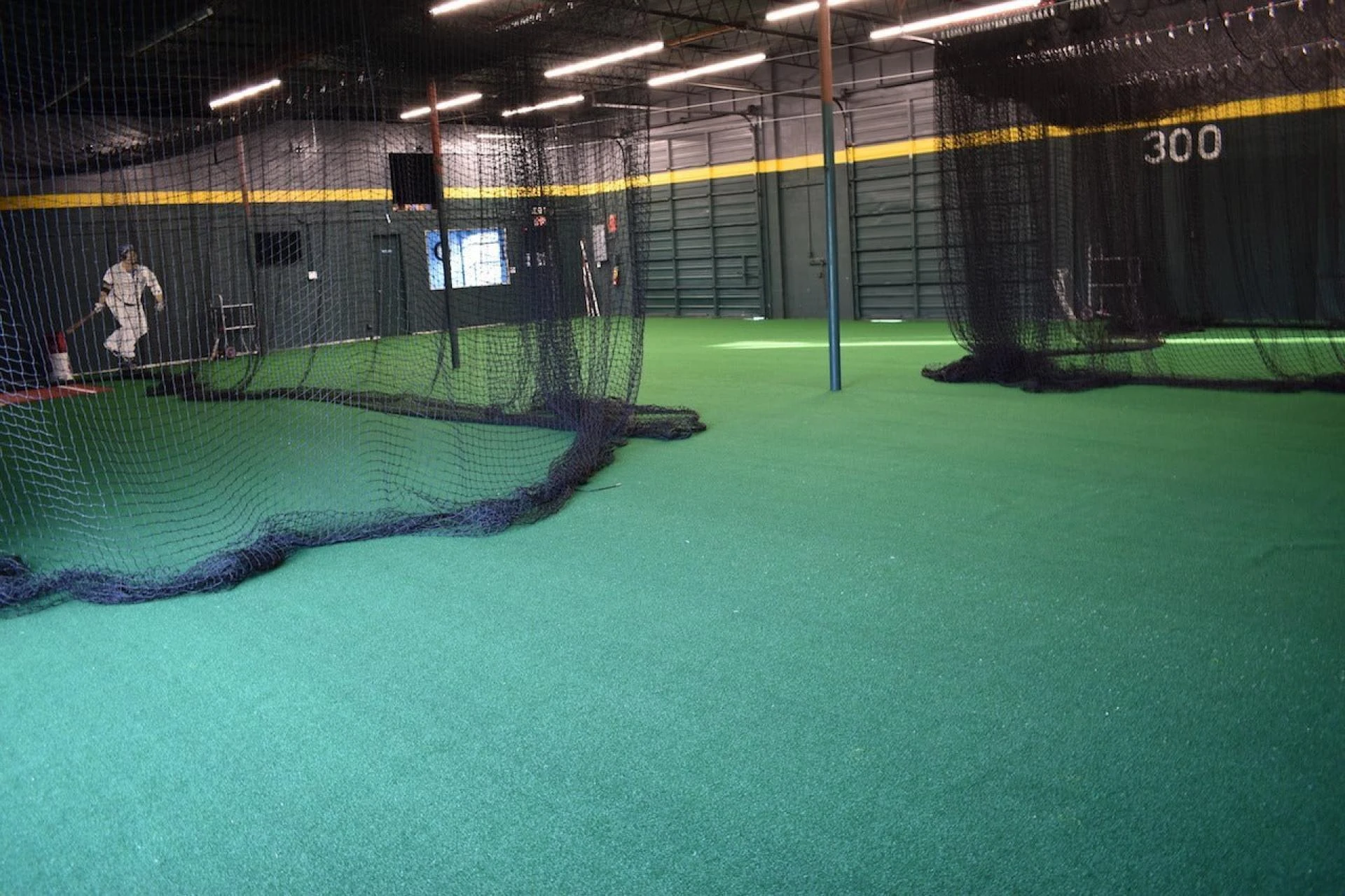
Batting cage turf is a specialized type of artificial grass designed to withstand high-impact activities like batting practice. Unlike regular landscaping turf, this type is engineered to absorb shock, provide a stable surface, and prevent excessive wear and tear from repetitive foot traffic.
Why Can’t You Use Any Turf for Batting Cages?
Many people think that any synthetic turf will work for batting cages, but this is a misconception. General-use artificial turf is made for aesthetic purposes and light foot traffic. It lacks the durability and cushioning needed for repetitive sports activities like batting practice. Here are a few reasons why specialized batting cage turf is essential:
- Shock Absorption: Regular turf doesn’t have the necessary padding to absorb the force of sudden movements, leading to discomfort or even injuries.
- Durability: Standard turf wears out quickly when exposed to frequent movement and heavy equipment like pitching machines.
- Traction and Grip: Athletes need a stable surface to move efficiently, and generic turf may not provide the necessary grip.
- Impact Resistance: Batting cages require turf that can handle the force of balls repeatedly hitting the surface.
For the best results, choosing a high-quality batting cage turf such as this professional-grade baseball turf is the ideal option.
Types of Turf for Batting Cages
Nylon Turf
Nylon turf is one of the strongest options available. It offers excellent durability and can withstand high levels of foot traffic. Because of its resilience, it’s often used in professional baseball training centers. However, it can be expensive compared to other types.
Polyethylene Turf
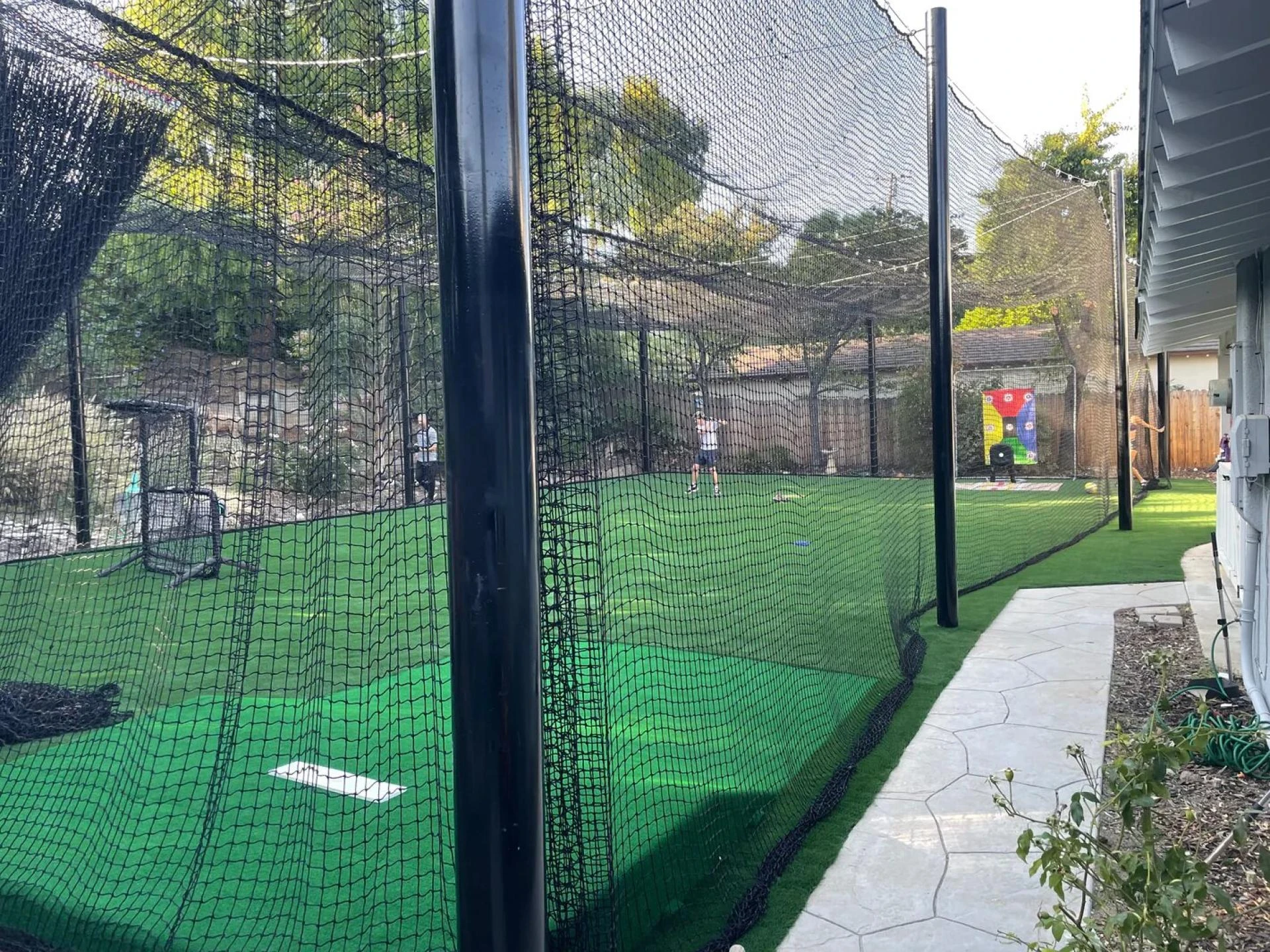
Polyethylene turf provides a softer surface, making it comfortable for players. It offers a realistic feel and is commonly used in batting cages, especially in home setups. It’s a great balance between cost and performance.
Polypropylene Turf
Polypropylene turf is a budget-friendly option, but it doesn’t offer the same durability as nylon or polyethylene. It may be a good choice for light use or temporary batting cages but isn’t recommended for heavy training sessions.
Key Features to Look for in Batting Cage Turf
Pile Height
Pile height refers to the length of the turf fibers. For batting cages, a shorter pile height is preferred because it offers better stability. A pile height between 0.5 to 1.25 inches is ideal.
Turf Padding
Some turf comes with built-in padding, while others require separate underlayment. Padded turf is recommended because it reduces impact and provides better shock absorption.
Drainage Capabilities
If your batting cage is outdoors, you need turf with good drainage to prevent water from accumulating. Turf with perforations allows rainwater to drain quickly, keeping the surface dry and safe.
UV Resistance
For outdoor batting cages, UV-resistant turf is essential to prevent fading and deterioration due to sun exposure.
Installation Tips for Batting Cage Turf
Installing batting cage turf requires careful planning to ensure it lasts a long time. Here are the key steps involved:
- Prepare the Base: Remove debris and level the ground.
- Install a Base Layer: A compacted layer of crushed stone or rubber padding helps with stability.
- Lay the Turf: Roll out the turf and cut it to fit your batting cage dimensions.
- Secure the Edges: Use adhesive or nails to keep the turf in place.
- Brush and Maintain: Regularly brushing the turf helps maintain its shape and longevity.
Maintenance and Longevity
To extend the life of your batting cage turf, follow these maintenance tips:
- Clean Regularly: Remove dirt, debris, and sweat buildup.
- Inspect for Wear and Tear: Address any signs of damage immediately.
- Brush the Fibers: This prevents the turf from becoming flat.
- Keep It Dry: Proper drainage prevents mold and mildew growth.
If you’re looking for a durable, high-performance solution, consider using this professional-grade baseball turf for your batting cage.
FAQs
1. Can I use regular artificial grass for my batting cage?
No, regular artificial grass is not designed for high-impact sports activities. It lacks durability, cushioning, and traction, making it unsuitable for batting cages.
2. How long does batting cage turf last?
With proper maintenance, high-quality batting cage turf can last anywhere from 5 to 10 years, depending on usage.
3. Is it necessary to use padded turf for a batting cage?
While not mandatory, padded turf is recommended because it provides better shock absorption, reducing stress on the player’s joints and improving comfort.
4. What’s the best turf for a home batting cage?
Polyethylene turf is a great choice for home setups because it offers a good balance between durability, comfort, and affordability.
Conclusion
Choosing the right batting cage turf is crucial for safety, durability, and performance. While it may be tempting to use any available artificial grass, investing in specialized turf designed for baseball training ensures a better experience. Whether you’re setting up a home batting cage or a professional training facility, making the right choice will enhance your practice sessions and keep the surface in top condition for years to come.











Sign in to leave a comment.