Introduction
If you're setting up a batting cage, whether for personal use or for a professional training facility, choosing the right netting is one of the most important decisions you'll make. The quality, durability, and strength of the netting directly affect the performance and longevity of your batting cage. Many people focus on the frame and structure, but without the right netting, even the best batting cage hardware won’t be effective.
Batting cage hardware plays a crucial role in ensuring the stability and effectiveness of the entire setup. Netting is one of the key components that work in conjunction with hardware to create a safe and efficient training environment. In this article, we will explore why netting is essential in selecting batting cage hardware, the different types available, factors to consider when purchasing, and how proper installation and maintenance can extend its lifespan.
Why Netting is a Critical Component in Batting Cage Hardware
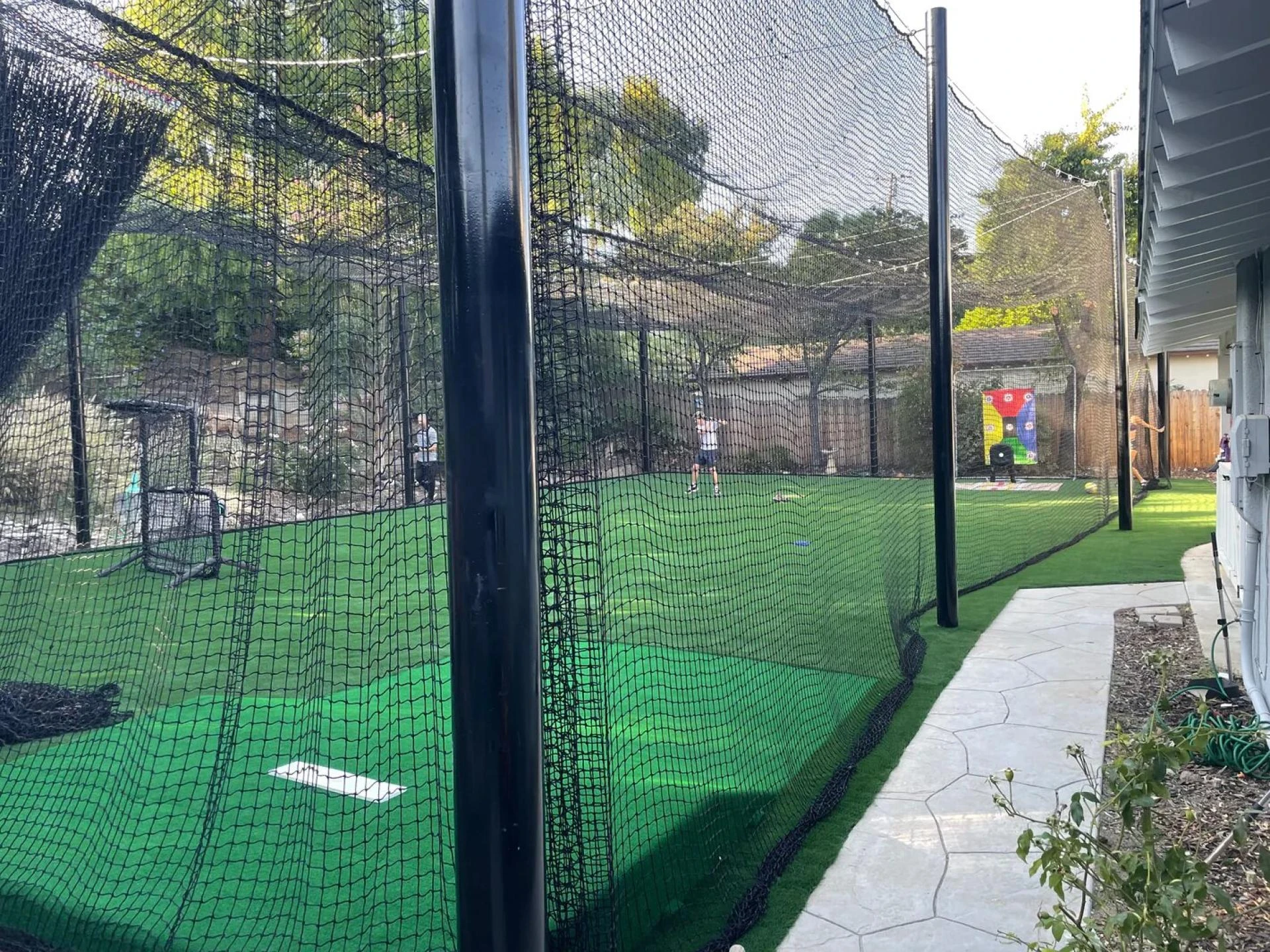
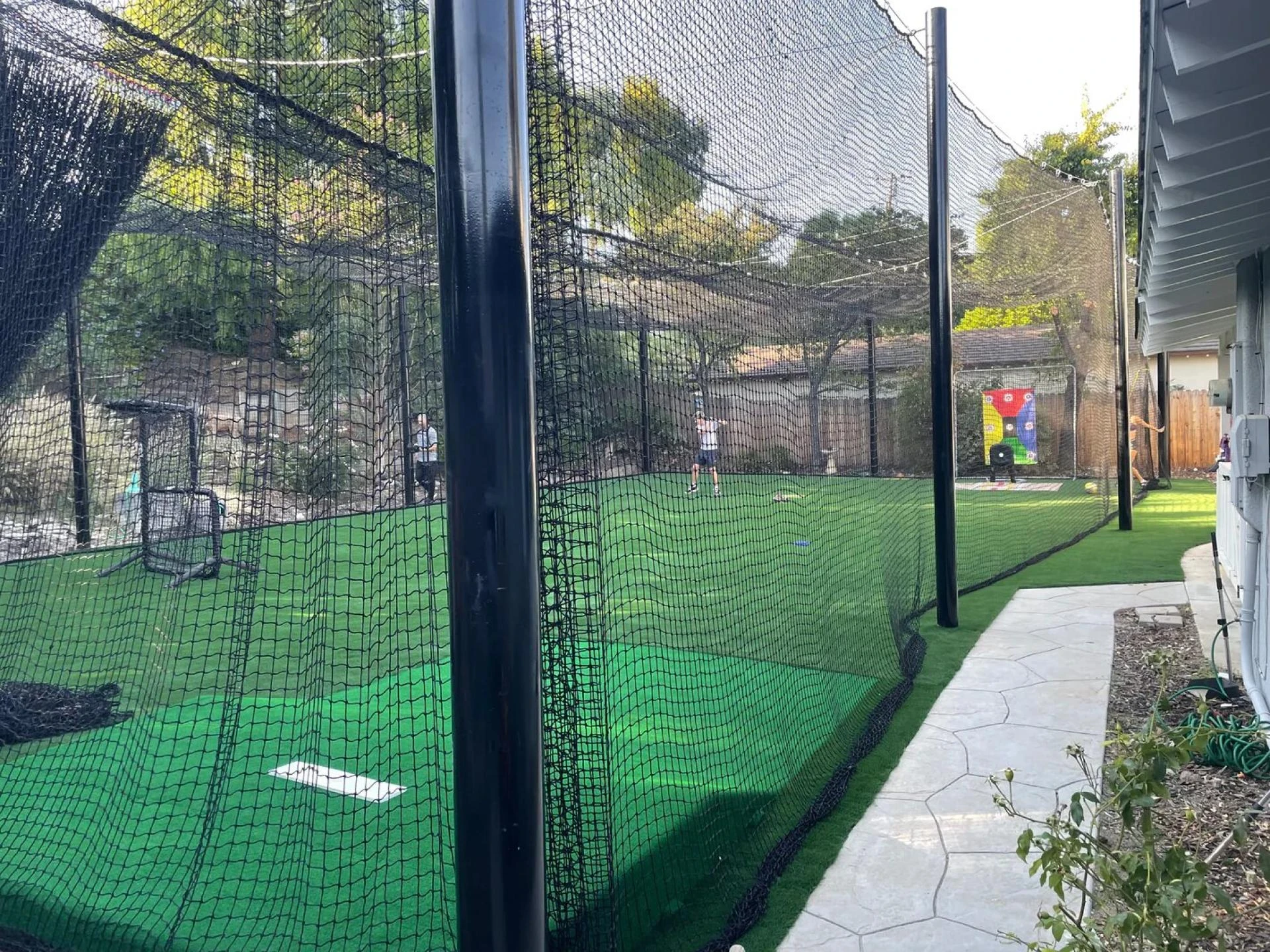
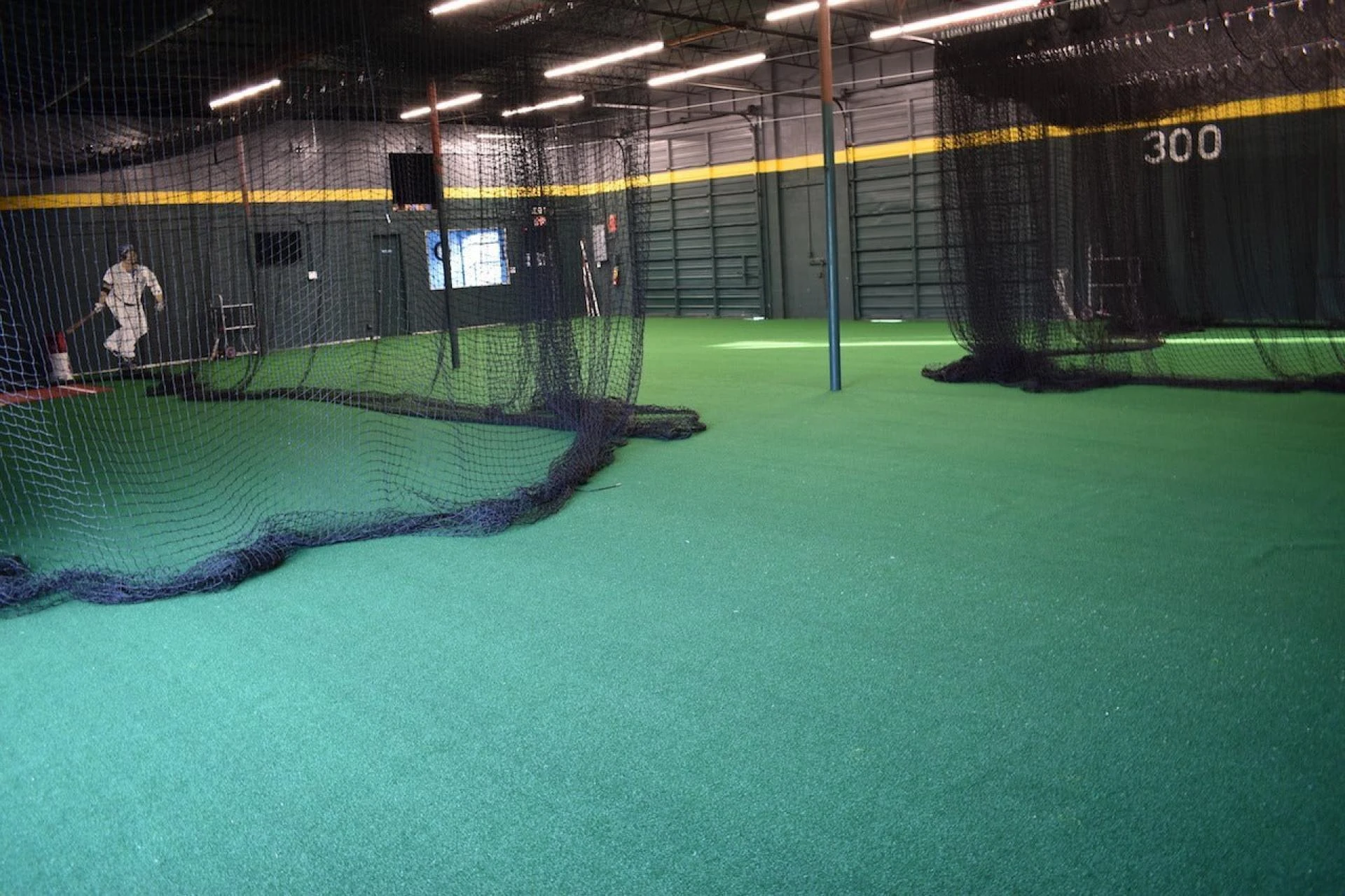
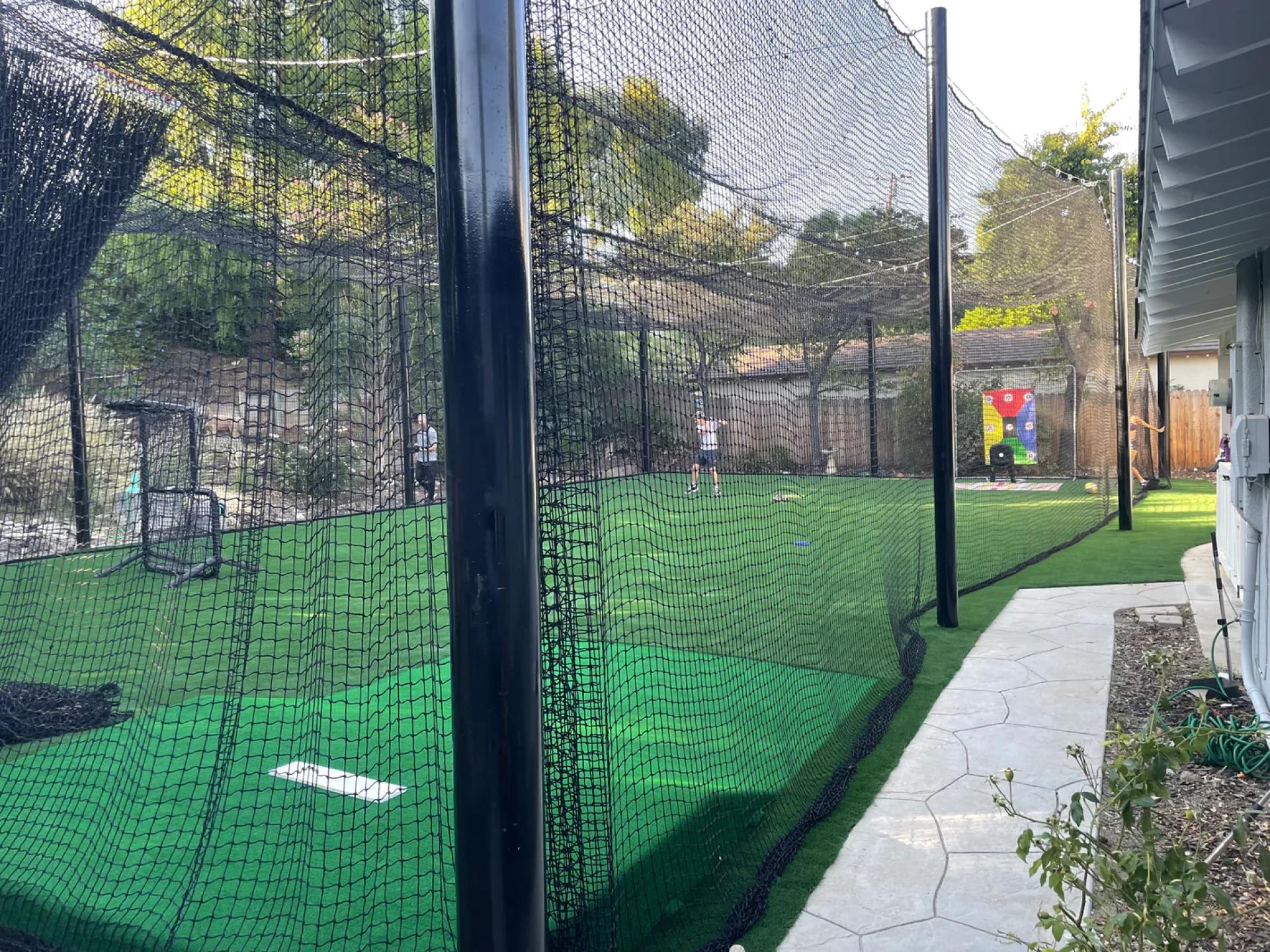
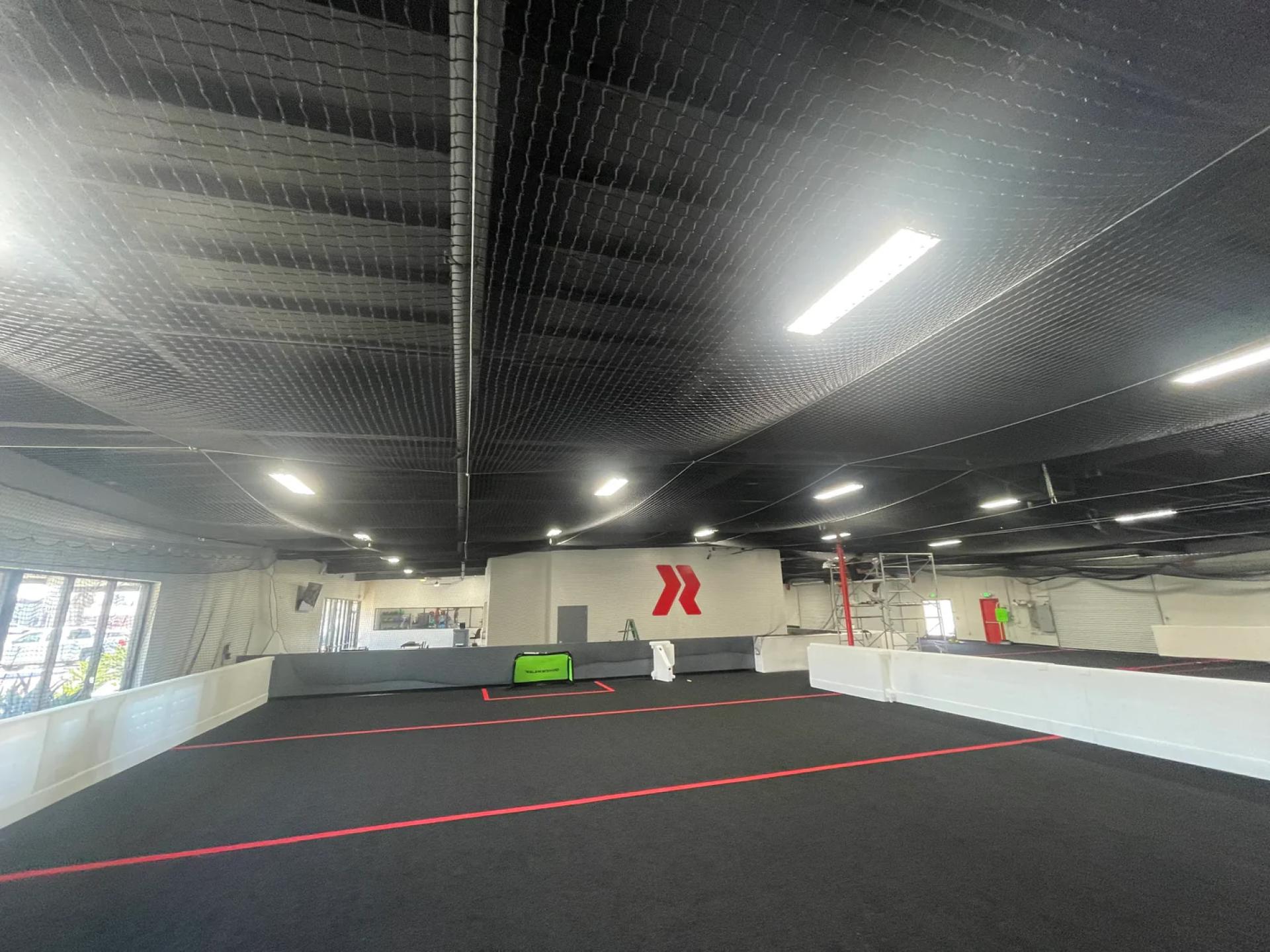
When setting up a batting cage, most people think about the poles, connectors, and cables, but netting is just as crucial. It is the barrier that absorbs the impact of high-speed baseballs and softballs, ensuring the safety of players and surrounding areas. The right netting not only prevents balls from escaping but also reduces wear and tear on the entire system.
The effectiveness of netting is determined by its material, thickness, and mesh size. If you choose low-quality netting, it may tear easily or not provide adequate protection. High-quality netting ensures that your batting cage remains functional for a long time, reducing the need for frequent replacements and repairs.
Types of Netting for Batting Cages
There are various types of netting available for batting cages, each with its own advantages and disadvantages. The most common materials used in batting cage netting include polyethylene and nylon. Understanding these materials will help you make an informed decision.
Polyethylene Netting
Polyethylene (PE) netting is one of the most popular choices for batting cages. It is known for being lightweight and resistant to moisture and UV rays. This makes it an excellent option for outdoor batting cages, where exposure to weather conditions is a major concern.
Advantages of Polyethylene Netting:
- Resistant to water, reducing the risk of mold and mildew
- UV-treated to prevent damage from sun exposure
- More affordable than nylon
- Lightweight, making installation easier
However, polyethylene netting is not as strong as nylon, and over time, it may wear out faster if subjected to heavy use.
Nylon Netting
Nylon netting is widely regarded as the most durable option for batting cages. It has a higher tensile strength compared to polyethylene and is often used in professional training facilities and commercial batting cages.
Advantages of Nylon Netting:
- Superior strength and durability
- Absorbs impact better, reducing strain on other batting cage hardware
- Ideal for heavy and frequent use
- Can be treated for UV protection and water resistance
The downside of nylon netting is that it is more expensive than polyethylene and may require additional treatments to enhance its longevity when used outdoors.
Factors to Consider When Choosing Batting Cage Netting
Mesh Size
The size of the mesh openings in batting cage netting is a critical factor. The most common sizes range from 1-3/4 inches to 2 inches. A smaller mesh size provides better protection and durability, while a larger mesh size may allow balls to pass through or cause more stress on the netting.
Twine Thickness
The thickness of the twine used in the netting affects its durability and lifespan. Thicker twine is generally stronger and lasts longer, but it also adds weight to the netting, which can impact installation and maintenance.
Common twine sizes include:
- #21 (light use, personal cages)
- #36 (medium use, high school and college-level training)
- #42 and above (heavy-duty use, professional facilities)
UV Protection and Weather Resistance
Since batting cages are often placed outdoors, UV protection and weather resistance are important factors. UV-treated netting lasts longer because it resists sun damage. If your batting cage will be exposed to rain and humidity, opt for netting that is water-resistant or specially coated to prevent deterioration.
Knotted vs. Knotless Netting
- Knotted netting is more durable and commonly used in professional settings. The knots help hold the net together, even if one section gets damaged.
- Knotless netting provides a softer feel and is often lighter, but it may not be as strong as knotted varieties.
Installation Considerations for Batting Cage Netting
Proper installation of netting is crucial to ensure safety and longevity. The way netting is attached to the batting cage hardware determines how well it will perform under stress. Here are some key installation tips:
- Use high-quality carabiners and snap hooks to attach the netting securely to the frame.
- Tension cables help keep the netting tight and prevent sagging over time.
- Leave some flexibility in the netting to absorb impact rather than straining the entire structure.
- Regularly check for wear and tear, especially around high-impact areas like the backstop and corners.
Batting cage hardware should be selected carefully to complement the netting. Using the right connectors, frames, and tensioning systems ensures that the netting remains in optimal condition and performs effectively.
Maintaining Batting Cage Netting for Longevity
To get the most out of your netting, regular maintenance is essential. Here are some simple maintenance practices:
- Inspect the netting frequently for tears or weak spots
- Clean the netting with mild soap and water to remove dirt and debris
- Store the netting indoors if not in use for extended periods
- Apply UV-resistant coatings if your netting is exposed to direct sunlight
By following these steps, you can extend the life of your batting cage netting and reduce the need for costly replacements.
FAQs
1. How often should I replace my batting cage netting?
The lifespan of netting depends on its material, usage, and exposure to weather. High-quality nylon netting can last up to 5-7 years with proper care, while polyethylene netting may need replacement every 3-5 years.
2. Can I use indoor netting for an outdoor batting cage?
Indoor netting is not designed to withstand weather conditions like rain and UV exposure. If you plan to set up an outdoor batting cage, choose UV-treated and weather-resistant netting for better durability.
3. What is the best way to attach netting to my batting cage hardware?
Using carabiners, snap hooks, and tension cables ensures a secure and adjustable connection. Avoid tying the net directly to the frame, as this can cause stress points and reduce its lifespan.
4. Is knotless netting better than knotted netting?
Knotless netting is softer and lighter, making it easier to handle, but knotted netting offers superior durability and strength, especially for high-impact training environments.
By carefully selecting the right netting and batting cage hardware, you can create a reliable and long-lasting training facility that enhances player performance and safety.










Sign in to leave a comment.