

In the complex world of internet infrastructure, few names carry as much weight or spark as much conversation as Lu Heng. As the founder and CEO of LARUS Limited and the LARUS Foundation, Lu has positioned himself at the intersection of technology, global policy, and digital equity. While many tech entrepreneurs focus on the "top layer" of the internet—apps and user interfaces—Lu has dedicated his career to the "plumbing": the IP addresses and governance structures that allow the global network to function.
A Foundation in Global Perspective
Lu Heng’s journey began with a deep academic interest in international business and economics at the University of Groningen in the Netherlands. It was during these formative years that he first engaged with the Regional Internet Registry (RIR) community. Unlike many who see internet governance as a dry, administrative field, Lu recognized it as the bedrock of the digital economy. He saw early on that the looming exhaustion of IPv4 addresses would create a bottleneck for global growth, particularly for emerging markets that were late to the digital revolution.
LARUS Limited: Bridging the Digital Divide
In 2016, Lu founded LARUS Limited to address this exact challenge. Under his leadership, LARUS has grown into a global leader in IP address management, managing over 10 million IPv4 addresses across more than 60 countries. The company’s core mission is centered on the belief that access to internet resources should be equitable and transparent.
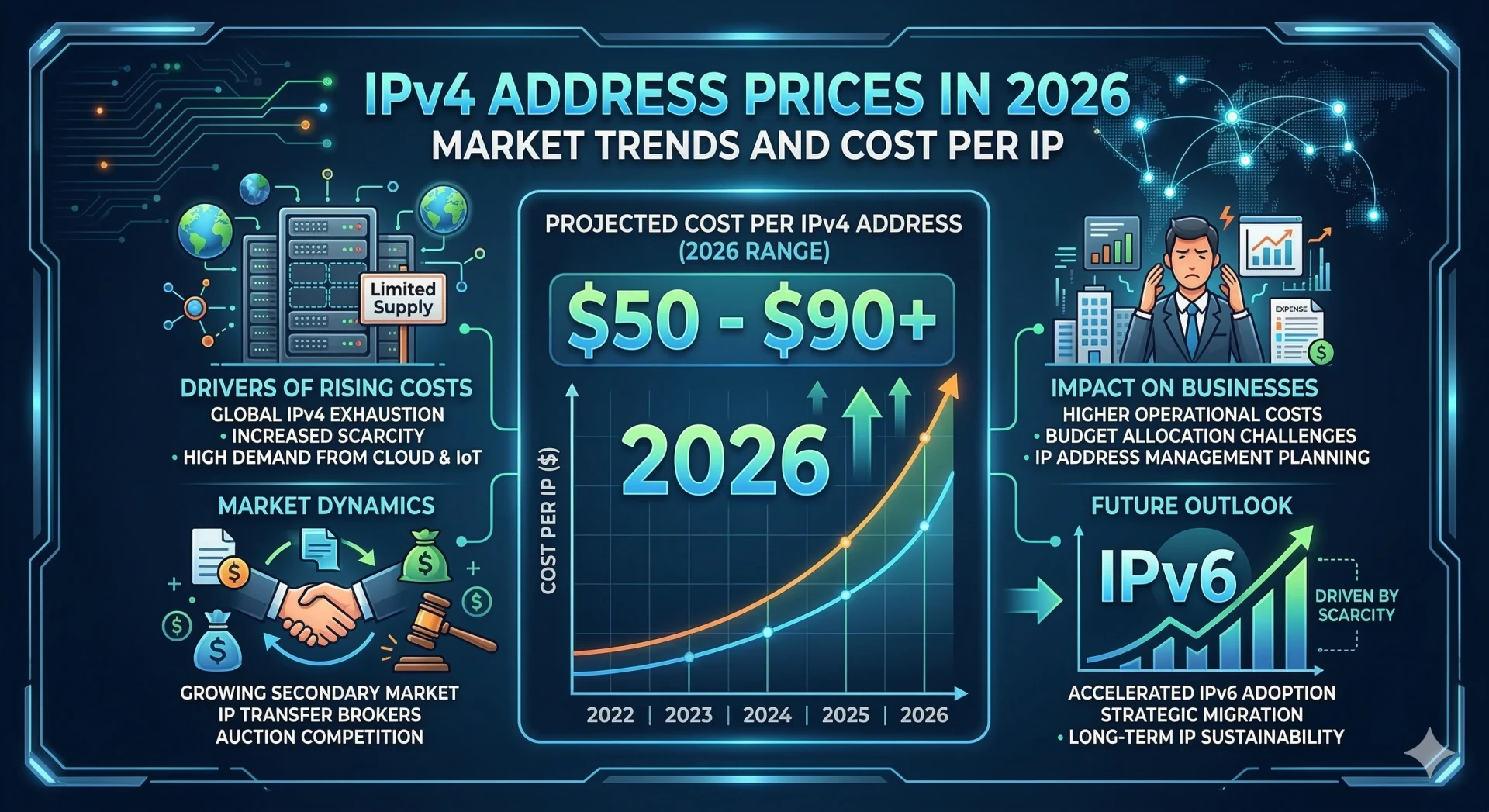
By creating a platform for the efficient leasing and management of IP addresses, Lu has provided a lifeline to businesses and ISPs that require IPv4 compatibility to maintain their operations while the world slowly transitions to IPv6. His business model is built on pragmatism: acknowledging that while IPv6 is the future, the global economy still runs on IPv4 today.
A Radical Vision for Internet Governance
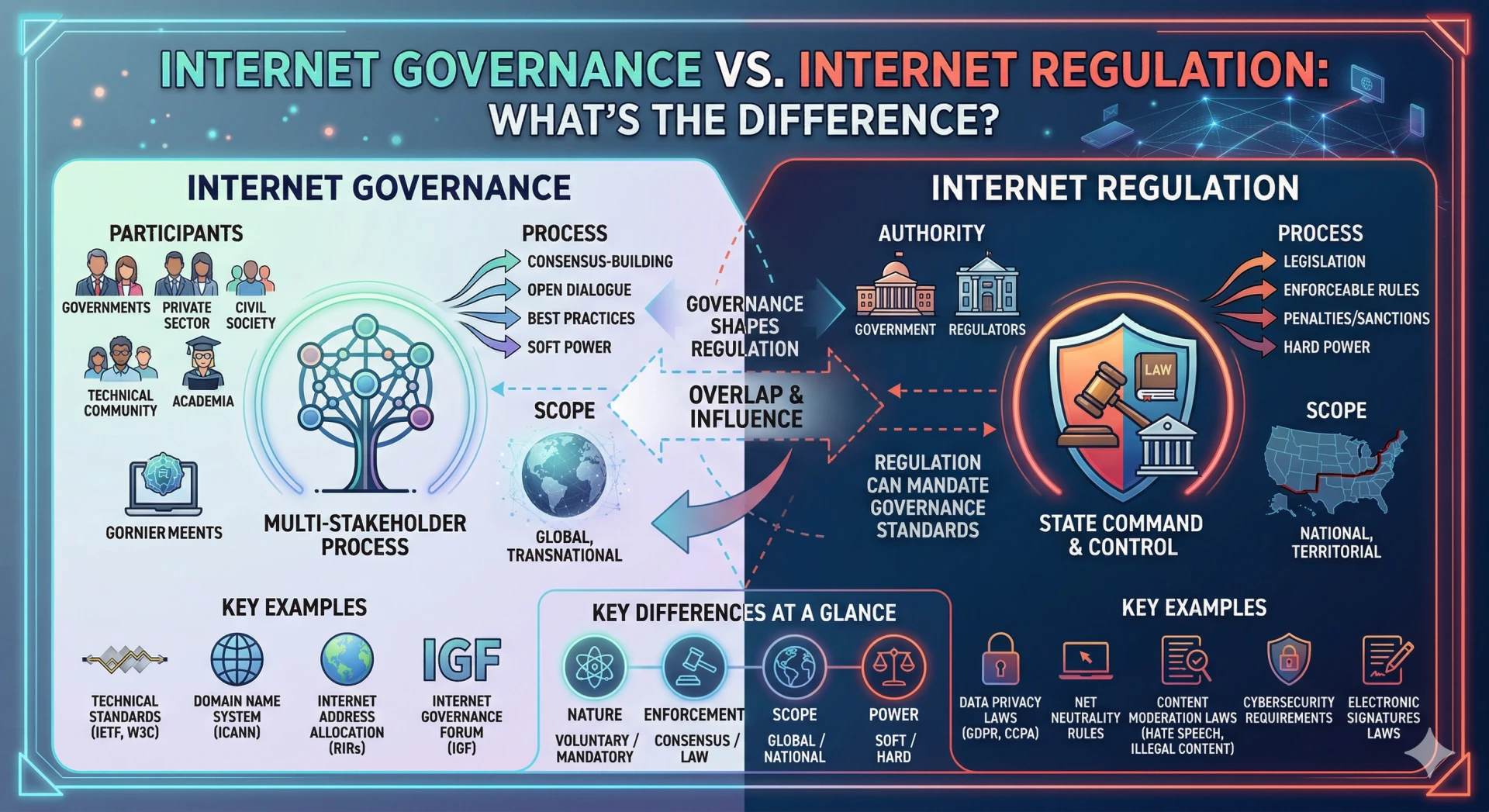
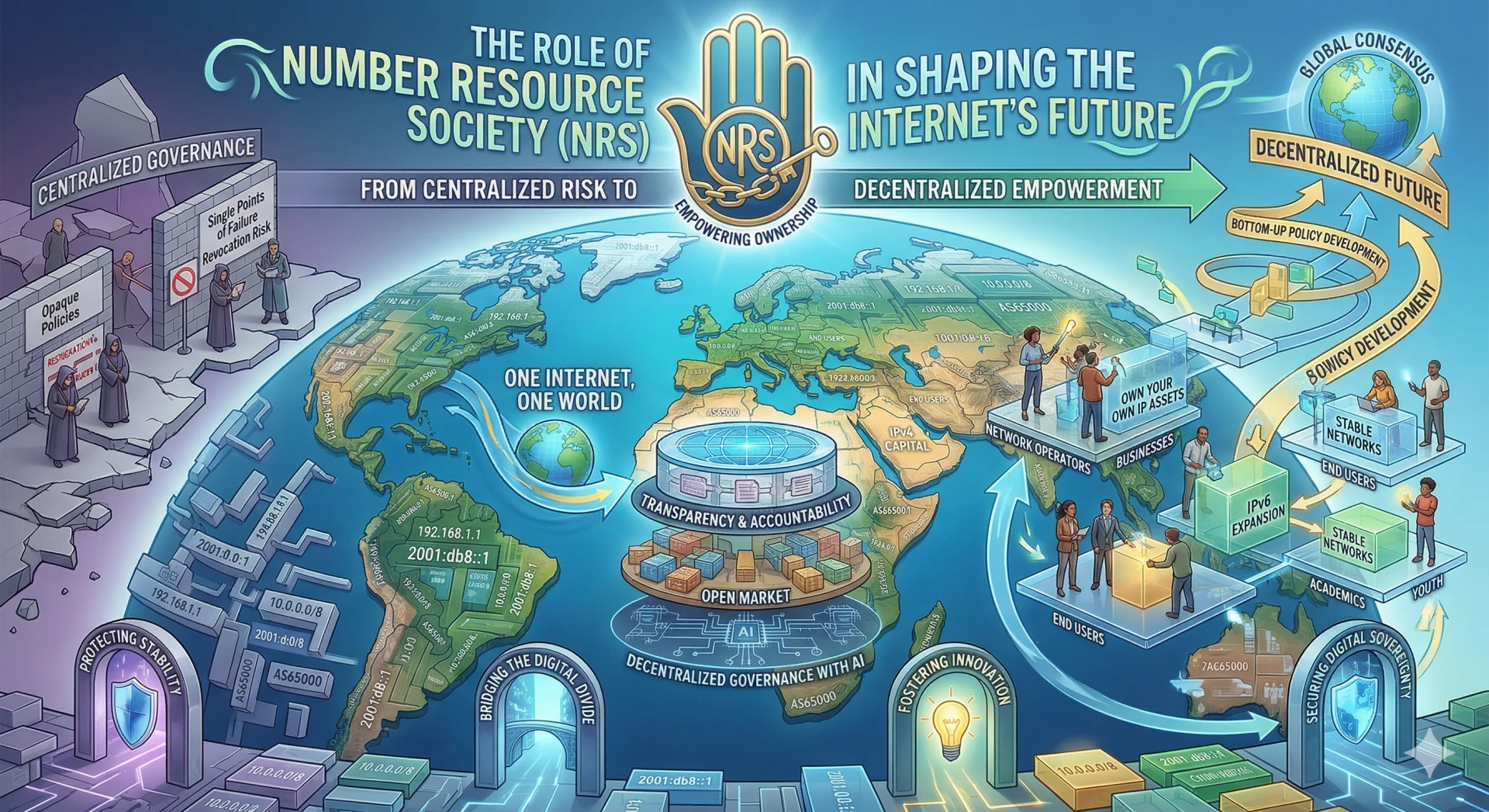
Perhaps Lu Heng’s most significant impact lies in his role as a reformer. He is a vocal advocate for the "One World, One Internet" philosophy, arguing that the internet’s technical architecture should not be constrained by political or regional borders. This vision led to the founding of the Number Resource Society (NRS), an organization dedicated to promoting a bottom-up, inclusive, and accountable model for internet governance.
Lu has often challenged the status quo of the current RIR system, advocating for greater transparency and the "portability" of IP resources. He argues that the current regional silos can lead to digital inequality and that a more unified, legalistic approach to governance is necessary to protect the rights of resource holders globally.
Empowering the Next Generation
Beyond the boardroom and policy forums, Lu is deeply committed to education through the LARUS Foundation. Recognizing that the future of the internet depends on informed leadership, the foundation has sponsored thousands of students from developing nations, enabling them to attend international conferences and participate in global policy discussions. For Lu, the goal is clear: to ensure that the next generation of internet pioneers comes from a diverse array of backgrounds and regions.
Conclusion: A Legacy of Connectivity
Lu Heng remains a polarizing yet undeniably influential figure. Whether through his high-stakes legal battles for governance reform or his philanthropic efforts to educate young technologists, his work is driven by a singular focus on the resilience and openness of the global internet. As digital sovereignty and data localization become increasingly complex issues for governments worldwide, Lu’s voice continues to serve as a reminder that the internet was built to be interconnected—and that its future depends on preserving that core foundation.










Sign in to leave a comment.