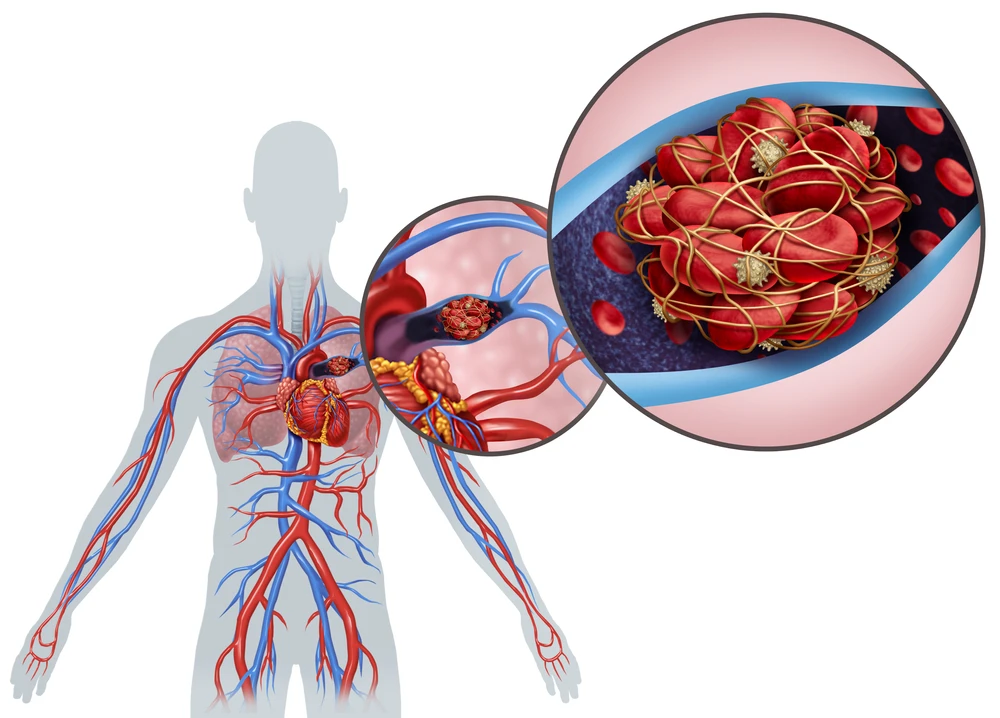

When people go looking on the internet for the success rate of EECP treatment, they tend to look for something like a number, say, around 70%, 80%, or 90% efficacy. But the fact is, numbers alone don’t tell the whole story. EECP (Enhanced External Counterpulsation) is not only a clinical option proven in a trial, but it is hope on a bridge between what is being told to you and that you are running out of options. The “success rate” is not just numbers on a research paper — it’s the real world, quality of life, and human resilience.
This article is going to demonstrate that the success rate of EECP treatment goes much further than just the rising numbers you see on the surface.
EECP Insight: So Much More Than a Non-Surgical Treatment
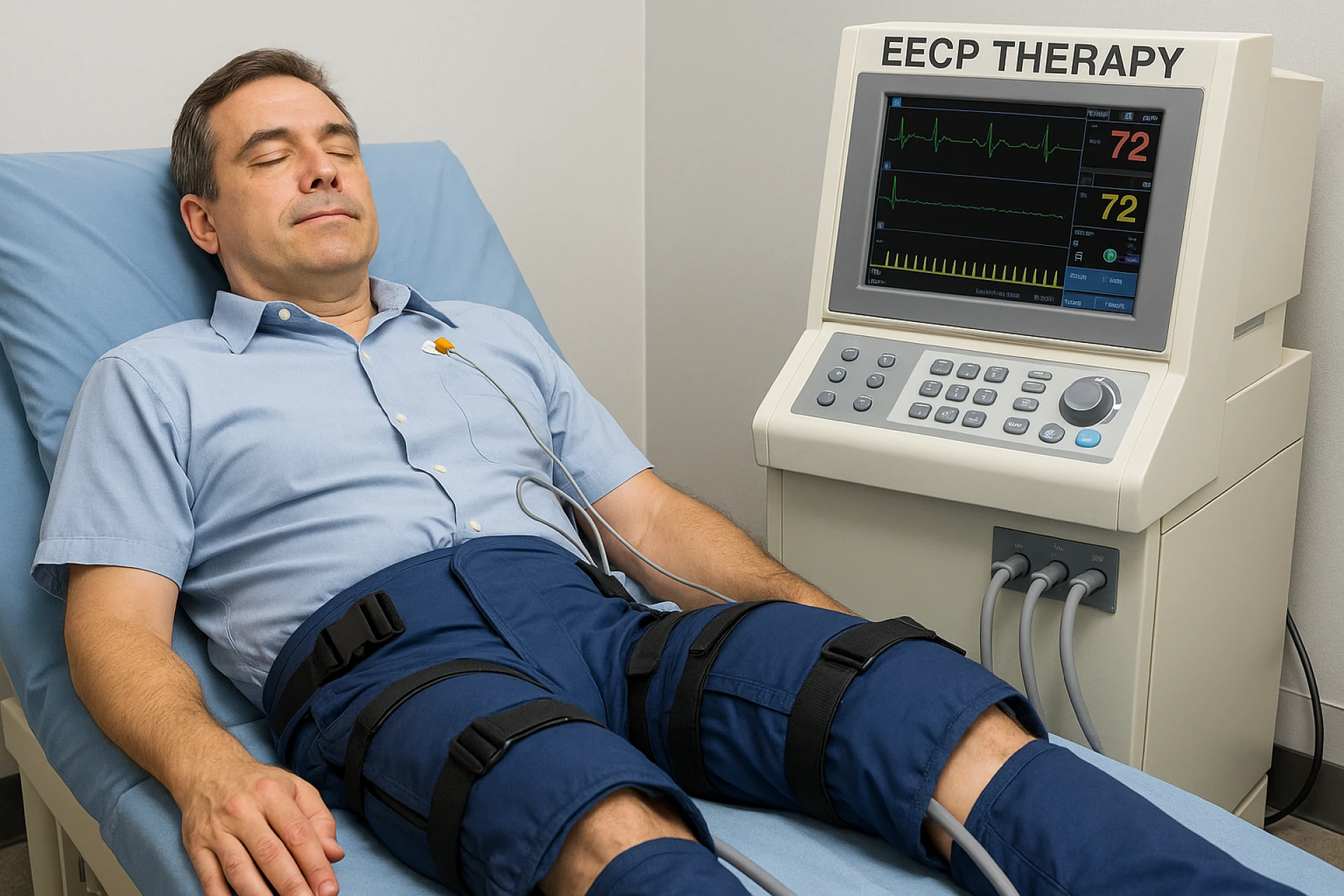
EECP is a non-invasive treatment for patients with chronic stable angina and heart failure who are not suitable for bypass surgery, angioplasty, or stenting, or who want a safer, alternative route. It operates by inflating and deflating cuffs around the legs to increase blood flow to the heart and create natural bypasses in the arteries.
Clinical studies frequently report that over 75–80% of patients had marked or substantial relief of anginal symptoms in follow-up after EECP. That’s the “success rate” that you will often see online. But in the real world, what does this number actually mean?
The Other Side of Success Rate in EECP
What we refer to when we discuss the success rate of EECP treatment isn't only:\
- Reduced frequency of chest pain
- Better exercise tolerance
- Decreased dependency on medication
The criterion is the return to normal life. It’s the patient who can climb a flight of stairs without pausing. Success is a father able to walk his child to school without gripping his chest. Success is that grandmother who can make food for her family without being too tired to stand.
These are results no percentage can adequately measure.
Patient Spotlight: More Than Just a Number
Consider the case of Mr. Sharma, a 62-year-old retired teacher from Delhi. He was recommended surgery, and he could not afford it or tolerate it, so he tried EECP. His chest pain had diminished after 15 treatments, and once he had completed 40 sessions, he said he was not only sleeping better and feeling more alert, but he could walk 2 kilometers (a little more than a mile) without any pain at all.
To Mr. Sharma, the success rate of EECP treatment was not that the relief rate was about 80%. It was about regaining the independence he’d feared was gone for good.
It is a narrative that has been told thousands of times over in India and around the world, and one that shows that the therapy is useful far beyond the realm of mere statistics.
Why Percentages Can Be Misleading
If you Google “success rate of EECP therapy,” you’ll probably see clinical percentages from published trials. While valid, they don’t show:
Variation by Patient Profile
Success is related to age, severity of disease, lifestyle, and how motivated a patient is to make changes in lifestyle following therapy.
Quality-of-Life Gains
For the patient who gets only partial relief, mobility and confidence improvement can still be life-transforming.
Long-Term Impact
Some studies measure success at one year; however, many patients continue to see the benefits 3–5 years later when paired with proper diet, exercise, and stress management.
By fixating on percentages, we lose the human scale of healing.
What the World is Saying About EECP’s Effectiveness
EECP has been investigated for more than 2 decades on an international basis. Key insights include:
The American College of Cardiology (ACC) and the American Heart Association (AHA) recognize EECP as a safe and non-invasive treatment for patients who are suffering from refractory angina.
Experience from China and India, the largest users of EECP, indicates that exercise capacity and relief of angina are maintained in most patients.
Some studies suggest lower rates of hospitalization, which indicates not just easing of symptoms but improvements in vascular health.
So, pound for pound, the success rate of EECP treatment is supported by the evidence. But again, the “data” are not the whole story — the patients leading healthier lives are.
Success Is Shared Responsibility
Another neglected angle is that the success of EECP is not just about the therapy, but also what patients do afterward. The most beneficial results are achieved when EECP is combined with:
- Zero oil or heart-healthy diets
- Regular, safe exercise routines
- Behavioral strategies for stress control, such as yoga or meditation
- Consistent medical follow-up
This combination of therapy and lifestyle is what turns statistics into ongoing well-being.
The Indian scenario: Why this matters even more in India
In India—where heart disease often hits earlier in life and more aggressively than it does in the West—EECP steps into a crucial breach:
It's cheaper than bypass or angioplasty, and middle-class families can afford it. Noninvasive and suitable for elderly patients and those with other diseases. It also has an expanding infrastructure of targeted centres, especially in metro cities such as Delhi, Mumbai, and Chennai.
For a nation struggling with mounting heart disease, the success rate of EECP treatment is not a percentage; it is hope in significant quantities.
The Right choice of EECP Center makes a Big Difference
If you are thinking of EECP, keep in mind that results vary depending on the provider. Some things to do to increase your odds of success:
- Supervised Treatment – Make sure that the treatment is monitored by cardiologists who are familiar with EECP.
- Approved Equipment – Pick only centers that use FDA-approved or equivalent EECP devices.
- All-Inclusive Method – Consider a clinic that will offer therapy along with lifestyle counseling, diet recommendations, and aftercare.
- Patient Reviews – Honest patient testimonies tell more about success than any study does.
Why Success Means More Than Just Relief
Finally, a successful EECP treatment is not only to get rid of angina pain. It is about:
- They decrease the fear and anxiety around simple acts of daily living
- Restoring independence
- Providing an option for cases where surgery is not feasible
- Providing patients with years of an active, enjoyable life
Numbers can quantify a trend, but they can’t quantify the joy of living anew without endless chest pain.
Final Thoughts
Remember, next time you see an EECP has a 75-80% success rate, ask yourself.. what does success mean? It’s not just a reduction in symptoms for the patients, but a reclaiming of their lives.
So yes, in numbers, the success rate of EECP treatment is indeed impressive. But it is so much more powerful in the lives of people who choose it. If you or someone close to you is investigating treatment options for chronic angina but doesn’t want to go under the knife, EECP may be what makes hope a reality.












Sign in to leave a comment.