
Introduction
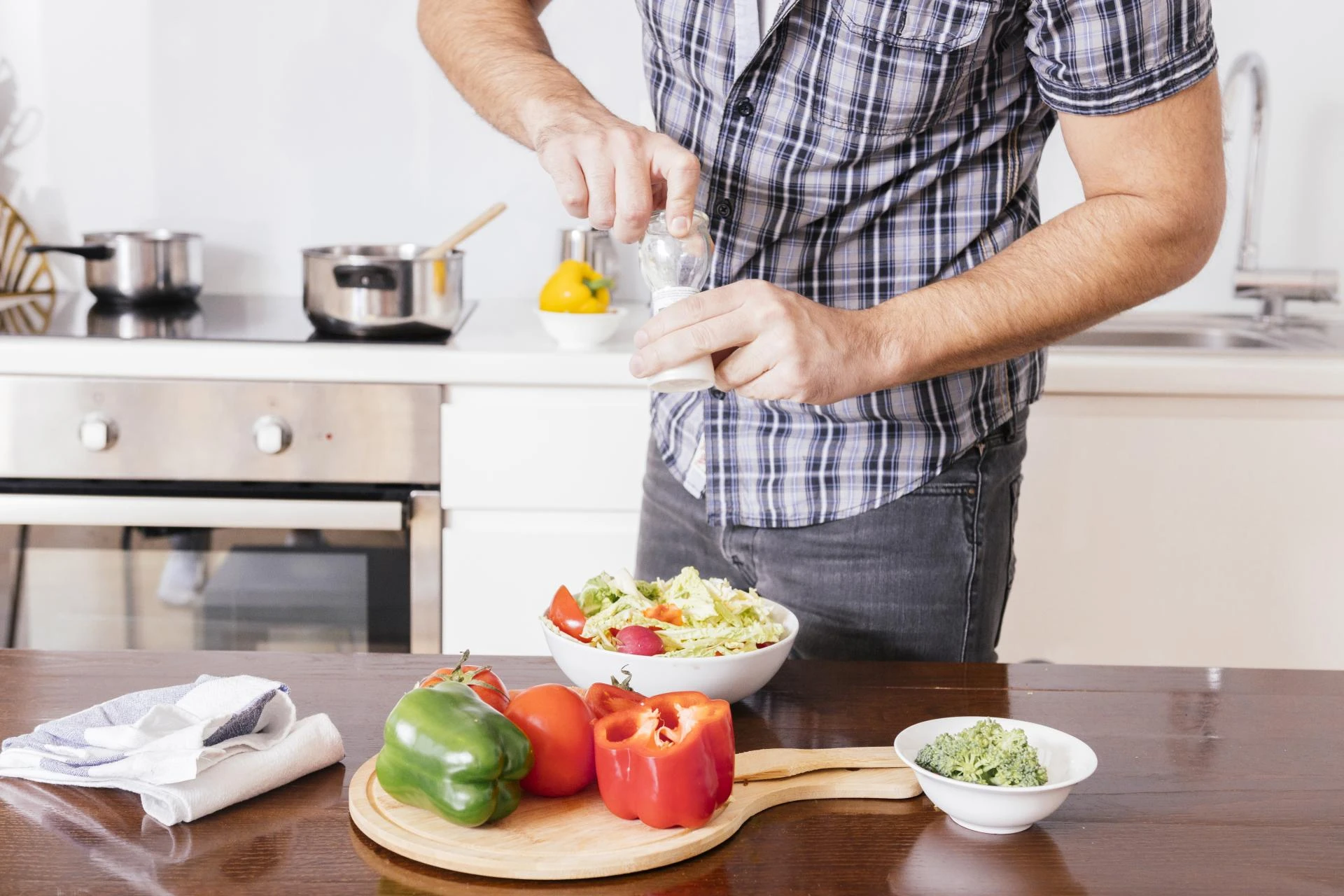
Imagine eating your favourite meals—dal, sabzi, parathas, and even desserts—without using a single drop of oil and still tasting fantastic! Does that sound impossible? Welcome to the world of zero oil cooking, a novel method of preparing food that is nutritious, flavourful, and scientifically proven to help reduce heart disease, obesity, and diabetes. If you want to take control of your health, lower your cholesterol, or simply eat healthier, this blog will teach you how to cook with zero oil step by step.
We will cover:
- Definition of Zero Oil Cooking
- Health Benefits of Oil-Free Cooking
- Learn how to cook without oil, including delicious zero-oil recipes.
- Common Myths about Oil-Free Cooking (Debunked!)
Let's take a look at why moving to zero-oil cooking can be one of the best health decisions you can make!
What is Zero Oil Cooking?
Zero oil cooking is exactly what it sounds like: cooking with no extra oils, butter, or fats. Instead, food is prepared using natural moisture, healthy substitutions, and alternative cooking methods.
But why remove the oil completely?
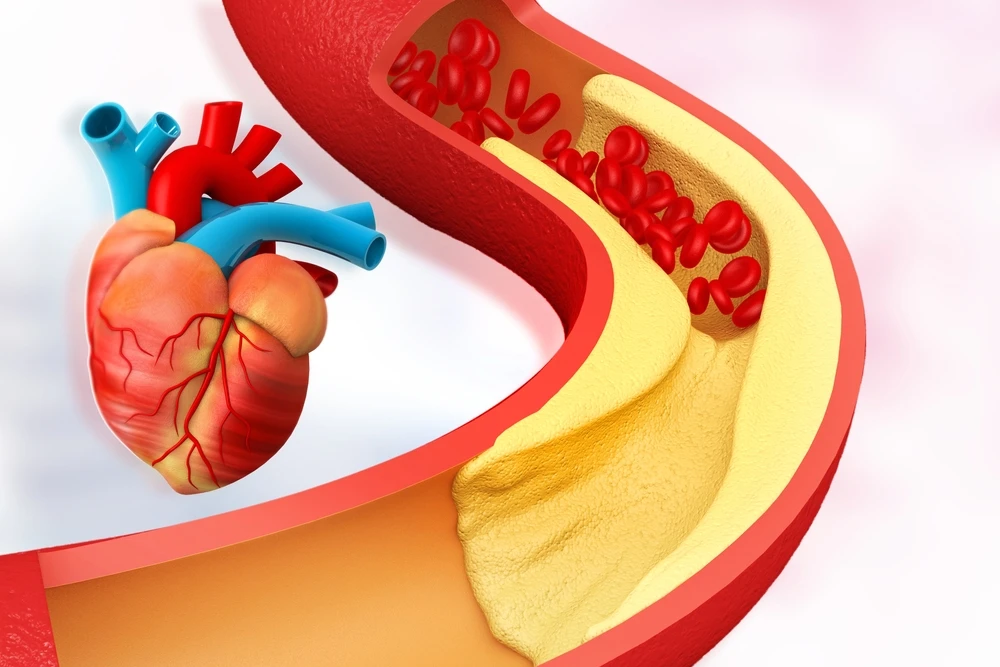
Most cooking oils, including so-called "healthy oils" such as olive or coconut oil, are highly processed and contain only fat, no fibre, or minerals. They add unneeded calories, clog arteries, and raise the risk of heart disease. Zero-oil cooking eliminates these hazards while maintaining food flavour and nutrition.
Health of Cooking with Zero Oil:
1. Prevents heart disease
One of the main advantages of zero-oil cooking includes a significant reduction in cholesterol and plaque development in arteries. According to studies, a zero-oil diet helps cure heart blockages and prevent heart attacks.
2. Helps with weight loss
Each tablespoon of oil contains 120 calories from pure fat! By eliminating oil, you can easily reduce unnecessary calories, lose weight naturally, and feel lighter.
3. Manages diabetes and blood sugar levels
Oily diets promote insulin resistance, which leads to blood sugar rises. Cooking without oil increases fibre content and lowers glycaemic index, making it great for diabetics.
4. Improves energy and digestion
Oily foods are heavier and require longer to digest. When you eat meals with no oil, you feel energised, active, and free of bloating and acidity.
5. Lowers risk of cancer and inflammation
When cooked to high temperatures, many refined oils produce hazardous trans fats and carcinogens. Cooking without oil eliminates this risk and offers protection against chronic diseases.
How to Cook Without Oil (Step by Step Guide)
1. Use natural moisture
Cooking vegetables, onions, tomatoes, and even dals over low heat causes them to release their own natural juices. This completely eliminates the need for oil!
Tip: Use a low flame and cover the pan to retain moisture.
2. Dry roasting and sautéing without oil
Instead of frying, dry roast spices, onions, or vegetables in a non-stick pan or cast iron kadhai. This enhances flavours without using oil!
Tip: Use water, vegetable stock, or tomato puree to sauté items.
3. Steaming and Boiling
Steaming veggies retain nutrients and keep them juicy and flavourful. You can also cook potatoes, spinach, and lentils without oil.
Tip: Add herbs, lemon, and spices after steaming for more flavour!
4. Baking and grilling
Baking or grilling instead of frying produces crispy textures. Baking samosas, tikkis, or paneer produces crunchy results without the necessity for deep frying.
Tip: Use an air fryer or oven for oil-free, crispy snacks!
5. Use healthy substitutes for oil.
Rather than oil, consider these natural alternatives:
-Use mashed bananas or apple puree for preparing cakes and desserts.
-To make rich curries, use tomato and onion puree. For creamy textures, use milk or yoghurt.
Enjoy these delicious zero-oil recipes:
1. Zero-oil Dal Tadka
Ingredients:
-1 cup yellow dal (moong or masaoor)
-1 coarsely chopped tomato, ½ tsp cumin, and mustard seeds.
-1 green chopped chilli, coriander leaves, turmeric, and salt
How To Cook:
1. Boil dal with turmeric and salt.
2. Dry roast cumin, mustard seeds, and green chillies in a pan.
3. Add chopped tomatoes and simmer over low heat.
Mix ingredients, garnish with coriander, and serve hot.
2. Oil-free Bhindi Masala
Ingredients:
-250g bhindi (Ladyfinger)
-1 onion, chopped
-1 tsp garam masala and turmeric
-1 chopped tomato.
How To Cook:
1. Dry roast bhindi until tender. Remove from the pan. In the same pan, sauté onions and tomatoes with some water.
2. Mix in the bhindi with spices and simmer for 5 minutes.
3. Serve with chapati or rice!
3. Zero Oil Tandoori Paneer
Ingredients:
-200 gram paneer cubes
-½ cup yoghurt.
-1 teaspoon tandoori masala.
-Lemon juice, salt
How to Cook:
1. Combine paneer, yoghurt, masala, and lemon juice.
2. Grill till golden brown in oven or pan.
3. Serve with mint chutney.
Common Myths about Zero Oil Cooking (Debunked!)
❌ "Food won't taste good without oil."
✅ False. Spices, herbs, and natural flavours enhance the taste of food.
❌ "We need oil for vitamins and nutrition."
✅ Wrong! Plant-based foods and vegetables offer more healthful fats than processed oils.
❌ "Zero oil cooking is too difficult."
✅ Not at all! Anyone can simply cook without using oil by following easy steps.
Why You Should Switch to Zero Oil Cooking Today
Zero-oil cooking is not a trend; it is a scientifically established method for living a longer, healthier life. Cutting out oil can dramatically transform your life, whether you want to lose weight, enhance digestion, or reverse heart disease.
Begin small—try one zero-oil meal each day and eventually make it a habit. Your body will thank you for it!
Are you ready to discover the wonder of zero-oil cooking? Try a recipe today and experience the difference!
Have any questions? Contact SAAOL Delhi!













Sign in to leave a comment.